Virginia SNAP recipients are about to lose the ability to buy soda with their food benefits, and some locals are blasting the move as government overreach aimed squarely at poor people.
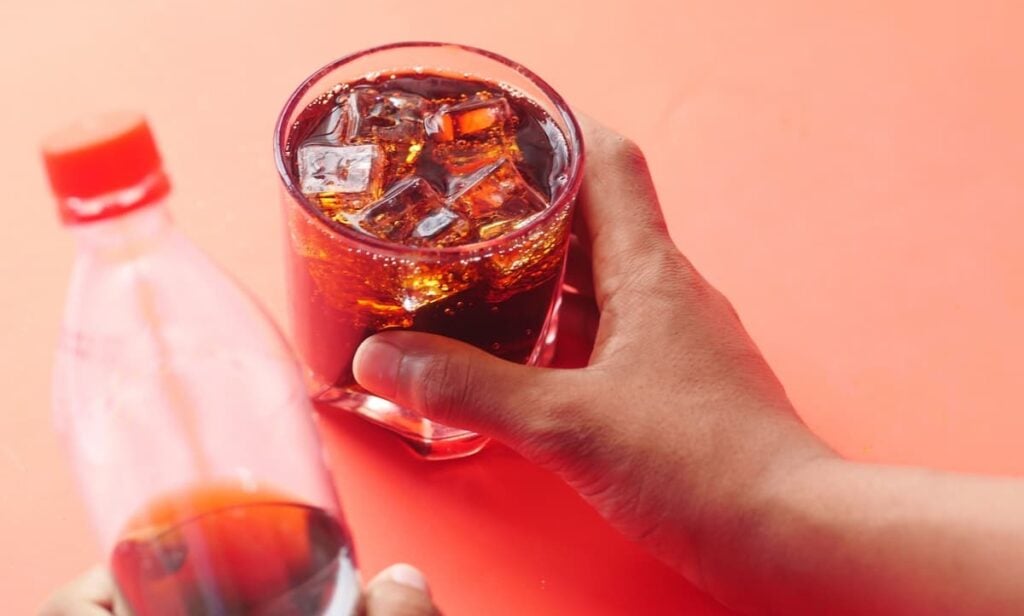
Starting November 1, 2026, Virginia will prohibit Supplemental Nutrition Assistance Program benefits from being used to purchase carbonated sweetened beverages. The restriction covers regular soda, diet soda, zero-sugar soda, carbonated energy drinks, and other carbonated beverages sweetened with sugar or artificial sweeteners.
Milk, juice, iced tea, lemonade, sports drinks, iced coffee, kombucha and non-carbonated energy drinks will remain eligible.
Virginia officials describe the change as part of the state’s “SNAP Healthy” initiative, designed to encourage healthier purchases and improve long-term health outcomes. The restriction is being implemented through a U.S. Department of Agriculture waiver.
But when news of the change landed on a Virginia-focused Reddit community, the debate quickly became about something bigger than soda: how much control government should have over the shopping carts of people receiving assistance.
One commenter summed up the frustration bluntly: “If you’re going to control what I buy, at least be consistent about it.”
That user pointed out that sugary non-carbonated drinks can remain eligible despite the new restrictions.
Critics Ask Why Poor Shoppers Get Special Rules
Another commenter rejected what they described as a “nanny state” approach, arguing that SNAP recipients are being held to a different standard simply because they rely on public benefits.
That gets to the heart of the criticism. The argument is not really about whether soda is healthy. Few people are pretending it is. It is about why government officials should get to decide which legal grocery-store products low-income Americans can buy when everyone else is free to make that choice for themselves.
“I love how we never restrict the politicians food budgets. Just the poor,” one commenter wrote.
Another poster pushed the point further, arguing that people who usually champion limited government can become surprisingly comfortable with government intervention when the restrictions are being imposed on somebody else.
One critic said the policy looks less like a serious nutrition measure and more like paternalism, particularly when other sugary drinks remain eligible for SNAP.
“This is just paternalism. Apple juice and Gatorade aren’t exactly healthier than coke. SNAP should cover everything. Simpler administration. Simpler use. And we don’t treat poor people like children who need decisions made for them.”
Not everyone agreed. Several commenters supported the restriction on the grounds that SNAP is intended to help people buy food and that taxpayers should not be expected to subsidize soda. Former grocery cashiers also shared anecdotes about customers using benefits to purchase heavily processed foods.
One commenter made a simpler distinction: SNAP recipients are not being banned from drinking soda. They can still buy it, just not with public benefits.
For opponents, though, that distinction misses the larger issue. The objection is not that soda has become impossible to buy. It is that access to public assistance increasingly comes with officials deciding which otherwise legal choices are acceptable for people on lower incomes.
Virginia says SNAP eligibility and benefit amounts will not change. But when soda disappears from the SNAP checkout list on November 1, the argument will no longer be only about sugar or nutrition.
It will also be about who gets to decide what poor people are allowed to put in their cart.