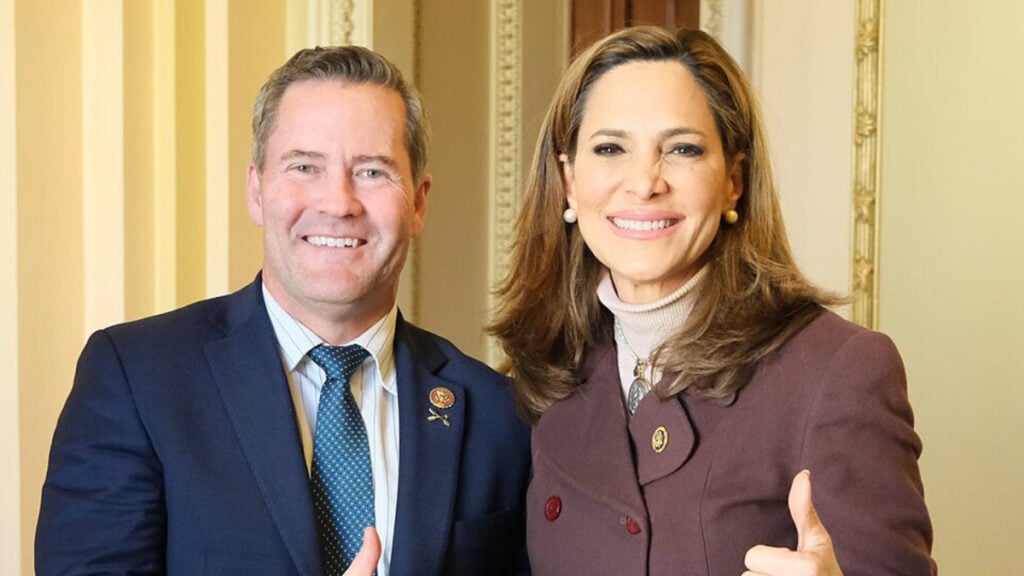
Florida Representative Maria Elvira Salazar took to X on Thanksgiving to express her support for Oklahoma Governor Kevin Stitt’s remarks concerning immigration reform and the use of the word amnesty in political discussions. However, many who responded to her post questioned whether her proposed immigration policies would actually benefit American workers.
Salazar argues that immigration reform is about more than the legal status of immigrants, citing affordability, national security, and economic growth as reasons the conversation affects every American. She also encouraged those with opposing views to discuss immigration policy without resorting to name-calling, although many commenters also criticized her arguments.
Salazar’s remarks came in response to a November 25 post from Stitt, who argued that the term amnesty was being used to discourage conversations about immigration reform. The Oklahoma governor denied advocating for amnesty, saying he wanted states to work alongside the federal government on legal visas while maintaining border security and immigration enforcement.
Immigration reform has been a longstanding legislative priority for Salazar, who introduced the bipartisan DIGNITY Act of 2025 alongside Texas Representative Veronica Escobar in July of that year. The legislation proposes strengthening border security while providing qualifying undocumented immigrants with an opportunity to remain and work legally in the United States.
Under the proposed legislation, participants in the seven-year Dignity Program would be required to pay $7,000 in restitution, pay taxes, and comply with federal and state laws without receiving federal means-tested benefits. The restitution payments would help fund workplace development opportunities for American workers, a provision that is particularly relevant given the criticism surrounding Salazar’s remarks.

Despite these provisions, several commenters questioned whether allowing more immigrants to work legally would come at the expense of wages and employment opportunities for American citizens. Others argued that allowing undocumented immigrants to remain in the country amounted to amnesty, regardless of the terminology or requirements attached to the proposed legislation.
Comments and Reactions to Representative Maria Elvira Salazar’s Immigration Reform Remarks
Much of the frustration directed at Salazar came from people who felt American workers were being overlooked in conversations about immigration reform. “No ma’am, it’s about your desire for cheap labor. Instead of fighting for companies to pay Americans properly and treat them fairly for services rendered, you are supporting indentured servitude. This encourages dangerous migration and trafficking, steals jobs from Americans, and forces us to compete with noncitizens for resources. It treats no one with DIGNITY.”
Others took issue with Salazar’s emphasis on dignity, particularly when discussing the financial and safety concerns they associate with illegal immigration: “You have never once addressed the dignity of American citizens and the cost of illegal aliens to our system, our way of life or our safety. You are reframing amnesty as some sort of compromise while Americans pay in blood and treasure for your people. That is what this is. You have chosen your people, your culture, your heritage over the citizens of this country. This is the reason there should never be any policy on amnesty. Why should we allow more of you into our country to frame and force ‘policy’ that takes from American citizens, legal immigrants and born alike?“
Comments concerning the rise of farmers moving toward H-2A temporary agricultural visa programs, investing in housing to qualify, and scaling back or changing crops due to labor shortages and higher input costs could not be found. As a whole, much of the discussion highlighted disagreements among conservatives over immigration enforcement, workforce needs, and what constitutes amnesty.