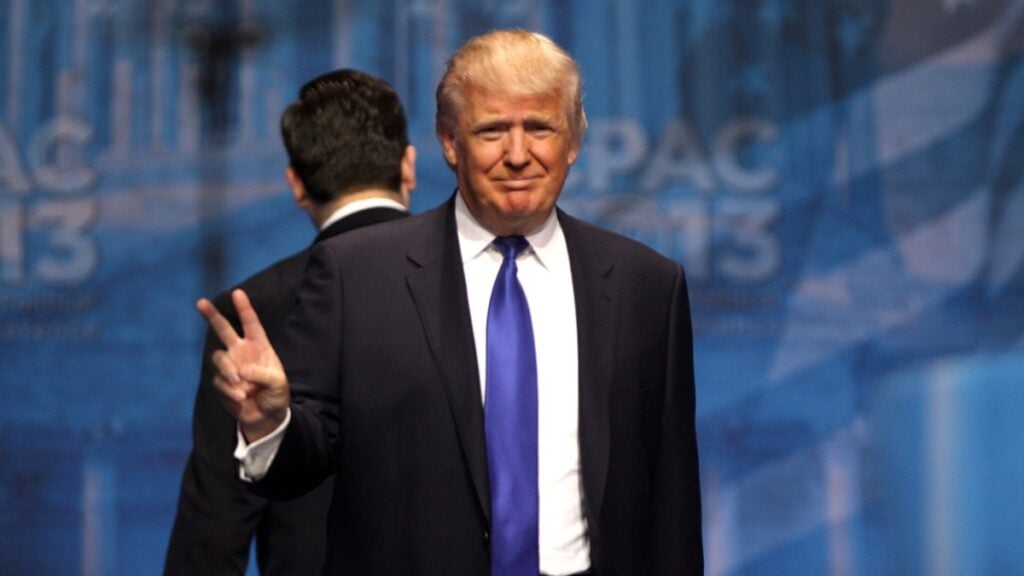
Alabama farmers are furious with President Donald Trump’s plan to import 300,000 metric tons of lower-priced beef, but online critics have a brutal response: they say the warning should have come at the ballot box.
The proposal, intended to put downward pressure on high beef prices, has drawn unusually sharp criticism from agricultural groups that might otherwise be expected to support the Republican administration.
As reported by the Alabama Reflector, Alabama Cattlemen’s Association CEO Erin Beasley warned that bringing in subsidized foreign beef could undermine domestic producers and discourage investment needed to rebuild the national cattle herd.
She called the plan another “slap in the face for cattlemen everywhere,” including more than 10,000 members of the Alabama organization.
Agriculture Commissioner Rick Pate has also questioned whether the measure will provide lasting relief, arguing that market forces will ultimately have a greater effect on prices.
But when the story began circulating in online forums, there was little sympathy.
Critics Turn Alabama’s Backlash Into a Voting Reckoning
On the distinctly left-leaning r/LeopardsAteMyFarm community, commenters quickly turned the farmers’ complaints into an argument about political consequences.
One of the most direct responses read simply: “Should have rebuked him in the booth.”
Another commenter wrote: “Farmers reap what they vote. No tears here.”
Others suggested the backlash would do little to alter Alabama’s political loyalties. One user predicted: “They will all still be voting Republican,” before adding, “Zero lessons learned…. again.”
The reaction is especially pointed because Alabama remains deeply tied to cattle production. The Alabama Cattlemen’s Association reported 1.2 million cattle and calves on farms in the state at the beginning of 2026.
At the same time, consumers are paying significantly more for beef. Federal data cited in the original report put ground beef at $6.86 per pound in July 2026, while the national cattle herd has continued to shrink.
That leaves Trump trying to solve one political problem, expensive groceries, while potentially creating another among domestic producers.
For Alabama ranchers, the argument is that cheaper imports threaten businesses already dealing with high costs and tight cattle supplies.
For the critics watching from the sidelines, however, the controversy has become something else entirely: a lesson in what happens when economic policy collides with electoral loyalty. Quite whether Alabama’s farmers see it that way is another matter.