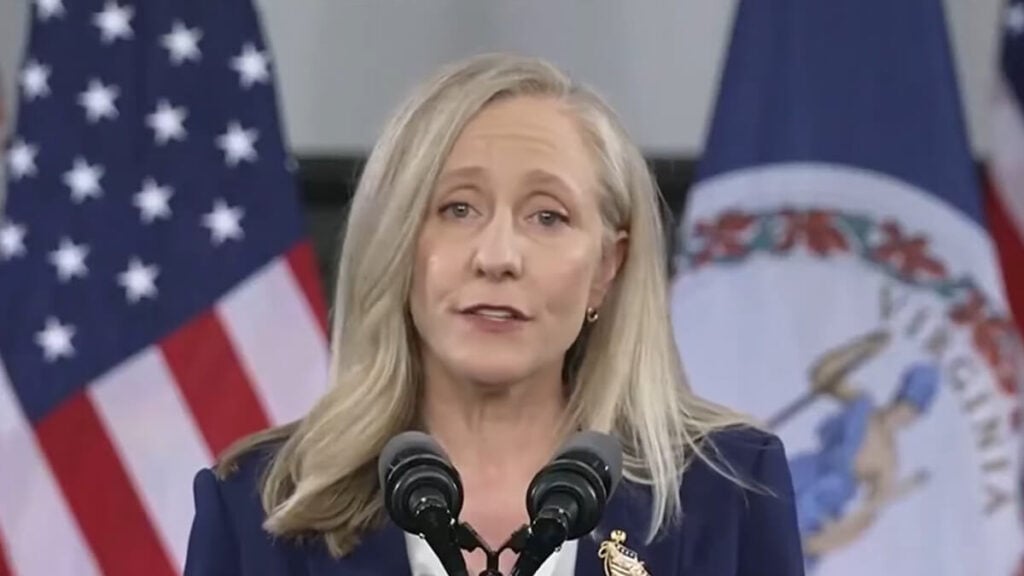
Virginia Governor Abigail Spanberger notified legislative sponsors she intends to veto a bill expanding collective bargaining for public sector employees. This legislation would have allowed government workers to negotiate salaries and benefits without first obtaining permission from local jurisdictions.
Republican leaders praised the decision as a victory for taxpayers while warning the mandate would trigger unsustainable local tax increases. However, the Virginia Public Sector Labor Coalition called the move a betrayal and claimed workers are no better off.
Several mayors lobbied for the veto because they feared mandatory bargaining requirements would cripple municipal budgets across the entire state. The governor’s office has not released a formal statement detailing the specific reasons for rejecting the heavily contested labor legislation.
Public Opposition Follows The Governor’s Move To Block The Union Expansion
One observer labeled the governor an “enemy of the working class” following the sudden reversal on the collective bargaining bill. This critic argued that the Democratic establishment cleared the primary field for a leader who now embraces corporate influence.
A different observer criticized the governor’s image by calling her a “former CIA rebranded” as a typical family soccer mom. They claimed this decision proves the administration is only on the side of lobbyists rather than the public sector workforce.
A local resident argued that the party is “stealing defeat from the jaws of victory” by alienating its most loyal voters. This voter stated that Spanberger is failing to give workers any actual power while repeating the mistakes of her predecessor.
An online observer suggested the governor “read the tea leaves” and decided to prioritize affordability for the broader taxpaying public. This critic argued that higher wages for public sector workers inevitably lead to higher taxes for every resident in Virginia.
The political fallout remains unresolved as labor organizations determine how to respond to the governor’s rejection of their primary legislative goals.