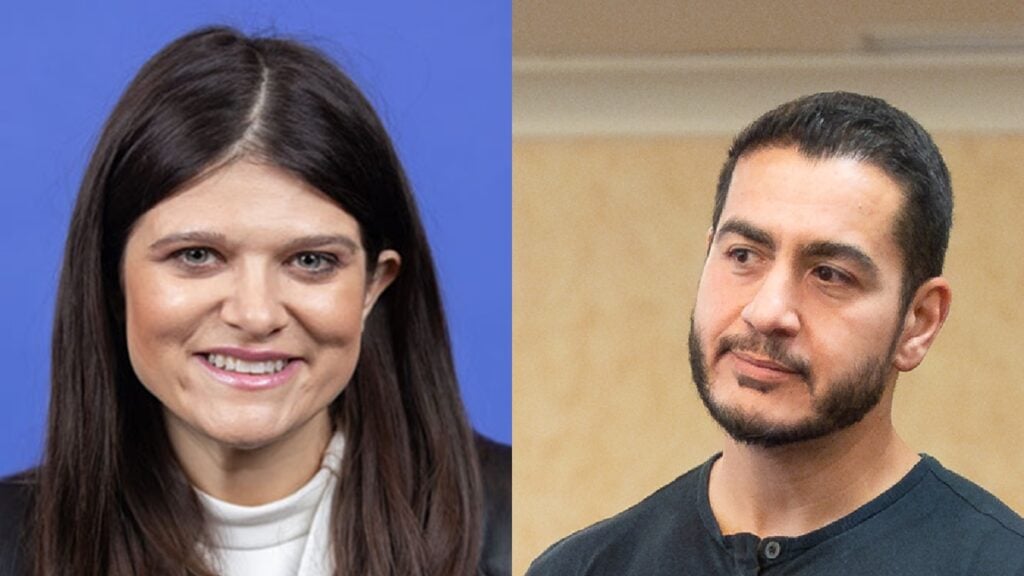
Michigan Rep. Haley Stevens’ final criticisms against Abdul El-Sayed are getting another look after El-Sayed defeated her in the state’s closely watched Democratic Senate primary. Just before voters headed to the polls, Stevens faced backlash online after accusing her opponent and some of his allies of antisemitism during a contentious interview.
El-Sayed ultimately defeated Stevens in Tuesday’s primary, securing the Democratic nomination in the race to replace retiring Sen. Gary Peters. He will now face Republican Mike Rogers in November.
The exchange came during the closing days of an already bitter primary battle. In an interview with Michigan journalist Sam Robinson, Stevens was asked why she had accused El-Sayed of wanting to blame “all problems on Jewish Americans” after he criticized the massive amount of AIPAC-affiliated spending supporting her candidacy.
AIPAC-affiliated spending became a major issue throughout the primary, with outside groups pouring millions into efforts supporting Stevens. El-Sayed repeatedly criticized that spending and the influence of pro-Israel groups in the race.
Stevens responded by contrasting her supporters with El-Sayed’s and pointing to his association with streamer Hasan Piker, whom she accused of making antisemitic remarks. Stevens specifically referenced Piker’s controversial past statement that “America deserved 9/11” and argued that while she campaigned alongside local community leaders, El-Sayed had chosen to align himself with figures like Piker.
The exchange reflected one of the most contentious arguments surrounding the primary: whether criticism of Israel and AIPAC’s political influence was being unfairly characterized as antisemitism, or whether some rhetoric from El-Sayed’s political allies had crossed that line.
Stevens’ Remarks Resurface After El-Sayed Victory
Stevens’ remarks were not well received on social media, as multiple X users criticized what they believed was her attempt to dodge the question: “She put on a masterclass when it comes to speaking yappanese. 2 minutes and 11 seconds of straight [EXPLETIVE].”
Some critics portrayed Stevens’ remarks as a sign that her campaign was struggling in its final days. “This is a lady whose campaign is in desperate mode,” one commenter wrote before voters ultimately chose El-Sayed.
Other critics pushed back specifically on Stevens’ attempt to connect El-Sayed’s criticism of AIPAC with antisemitism. One commenter argued, “No where ever has Abdul El-Sayed connected AIPAC to Jewish Americans,” pointing out that some Jewish organizations have also been critical of the pro-Israel lobbying group.
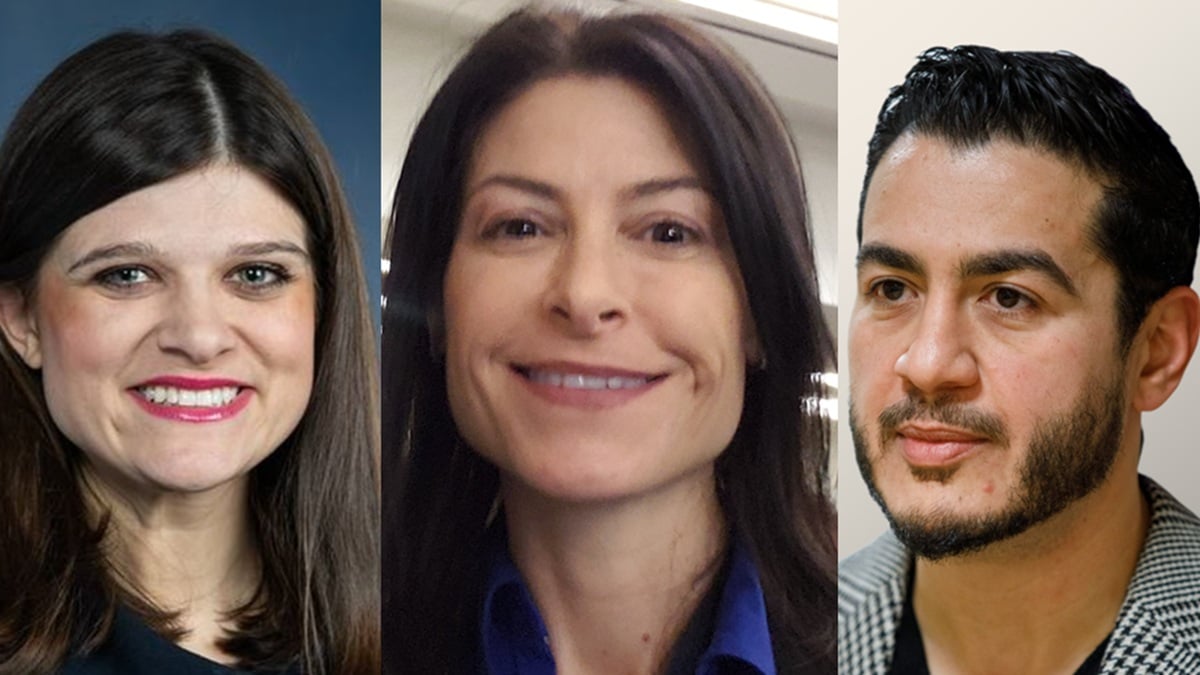
Stevens’ concerns were not universally dismissed. In a separate discussion of the primary, one Jewish Michigan voter said they felt “pretty alienated” by El-Sayed’s campaign, pointing specifically to his rhetoric toward Israel and his decision to associate with Hasan Piker. The commenter also expressed frustration that the race had become so heavily focused on Israel and AIPAC.
Michigan voters have now settled the primary, even if the arguments surrounding it are unlikely to disappear. El-Sayed defeated Stevens after a race dominated in its final weeks by fights over Israel, antisemitism and millions in outside spending. He now moves on to face Republican Mike Rogers in November, while Stevens’ contentious final remarks have become part of the story of how one of the country’s most closely watched Democratic primaries ended.