
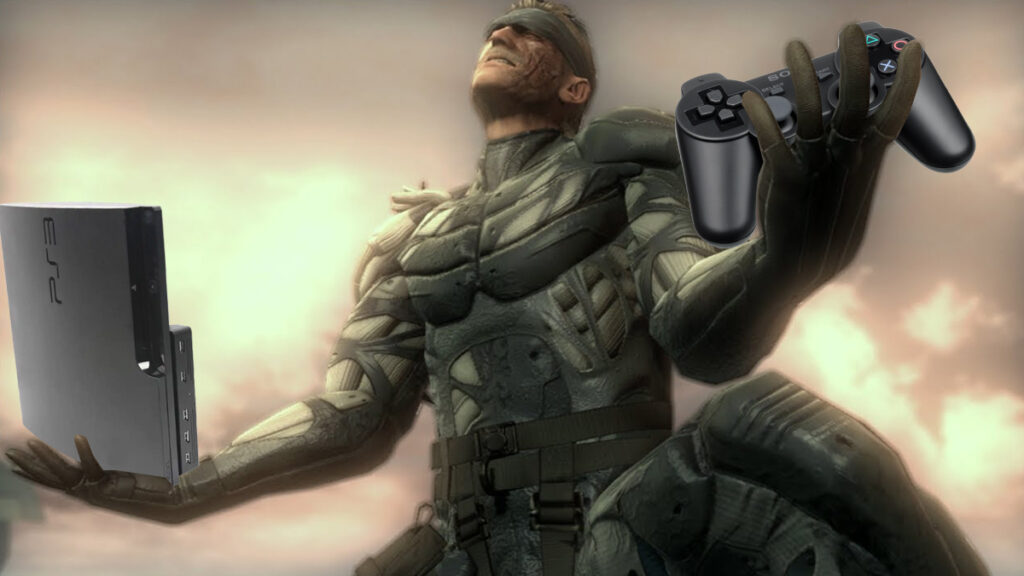
Metal Gear Solid Δ: Snake Eater might’ve passed 1 million copies sold in 24 hours, but that doesn’t mean future remakes are guaranteed. In an interview with Japanese media RealSound, series producer Noriaki Okamura basically said what longtime fans suspected. MGS4, being a PlayStation 3 exclusive, is a whole different beast. According to him, the game’s original development was so deeply tied to the PlayStation 3’s unconventional architecture that its internal code ended up ‘quite special.’
“The hardware back then required extremely specialized structures to push 3D performance to its limits. Because of that, MGS4‘s code is also quite… ‘special,'” explained Okamura. “Bringing it over now seems like it would be very difficult. (laughs)”
It doesn’t help that MGS4 also leaned heavily on PS3-specific quirks. From the CELL processor to smaller gimmicks like the Metal Gear Mark II and DualShock 3’s rumble cues. While this isn’t a direct rejection, it might signal that an MGS4 remake would demand far more effort than Snake Eater.
Okamura and MGS Δ creative producer Yuji Korekado also talked about what it took to rebuild Snake Eater with a new internal team. With so many original staff now gone, they had to figure out how to keep the soul intact while updating the game for people who never touched the original version.
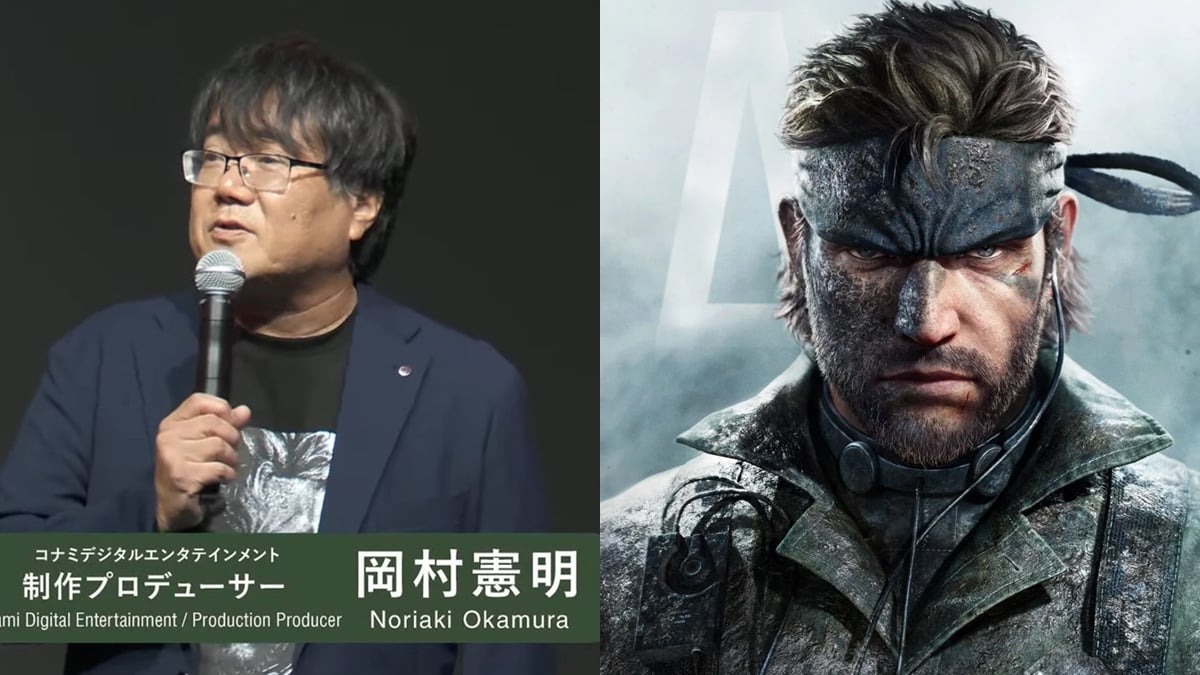
“The younger staff identified the points where modern players might struggle. They analyze the original source code and scripts to understand the design intent from that era and reflect it in the remake,” he added. “One [comment from younger developers] that surprised me was, ‘I don’t know how to do CQC.’ In the original, The Boss explains it over the Codec, but modern players don’t necessarily listen to all the radio calls… (laughs). So we decided to display Tips instead.”
Asked about where Konami plans to take Metal Gear next, Okamura said nothing is set in stone. They might continue with more remakes — or new games entirely. Either way, the team wants to keep creating ‘opportunities’ for more people to experience Metal Gear in the future.

“The Metal Gear series is almost like a history of video games — from pixel art to cinematic expression — so each title requires a different approach to remaking or expressing its unique qualities,” said Okamura. “We don’t intend to apply the methodology of MGS Δ to every game. We plan to explore the optimal approach for each specific work.”