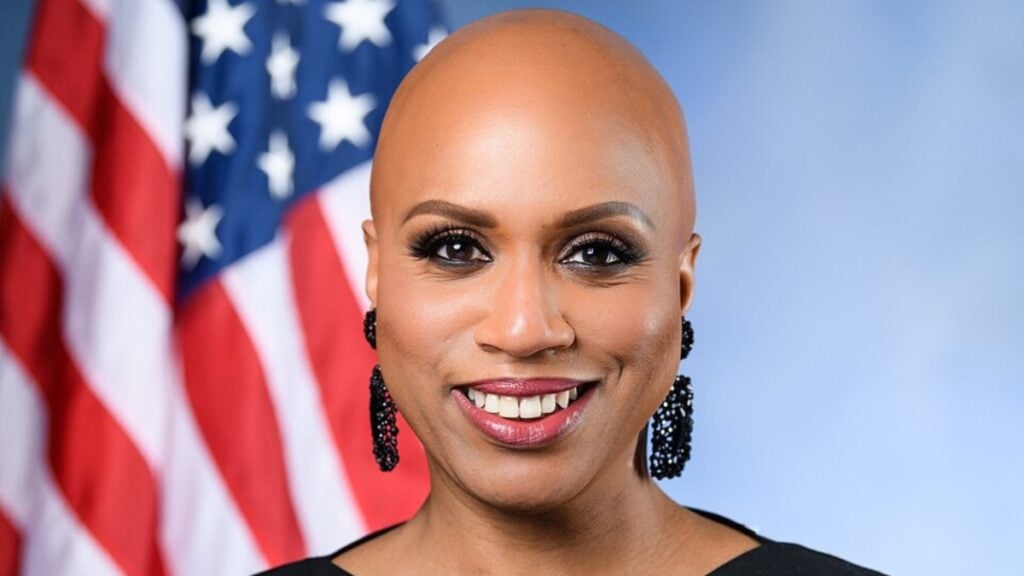
Rep. Ayanna Pressley of Massachusetts posted a clip from a Congressional Black Caucus Foundation panel in which she said the country cannot afford to miss the “brilliance” of Black women. In the accompanying text, the congresswoman called Black women “the backbone of our economy” and said pushing them out denies everyone their intellectual capital. The post quickly drew a large volume of replies, with many users disputing the “backbone” claim and arguing that working Americans as a whole drive the economy.
In the clip, she criticizes “the so-called reckless actions of the Department of Government Efficiency that took a sledgehammer to the infrastructure of our federal government,” then says job losses are “disruptive of livelihoods and lives” and “devastating for everyone,” because “they are being denied the brilliance and the intellectual capital of Black women.”
The post text goes further than the spoken excerpt, calling Black women “the backbone of our economy” and saying that “by pushing Black women out of our economy, everyone is being denied their brilliance and intellectual capital.” The 49-second clip does not include a full debate or the data she cited elsewhere on the panel.
Howard University News Service, covering the same session, reported that Pressley pointed to Bureau of Labor Statistics figures putting white unemployment at 3.7% and Black unemployment at 6%, said Black women are primary breadwinners in a large share of Black households, and announced federal job-guarantee legislation.
Who Drives the Economy? Viewers Aren’t Buying One Answer
Some users rejected the caption’s “backbone” line. One reply with wide engagement said, “Not by a long shot,” and another asked, “Where’s that happening? And isn’t every citizen the backbone of our economy?”
A quote post put it more bluntly: “6% of the workforce. Facts are facts.”
Others argued the remark singled out one group. “Working Americans are the backbone of our economy,” one commenter wrote.
Another said, “If the color of your skin is the primary attribute of your excellence, you really don’t have much to offer.”
A smaller set of posts treated the claim as a statement of value rather than a workforce share. One user wrote that Black women “of all backgrounds deserve a thriving economy that advances their values and skills.”
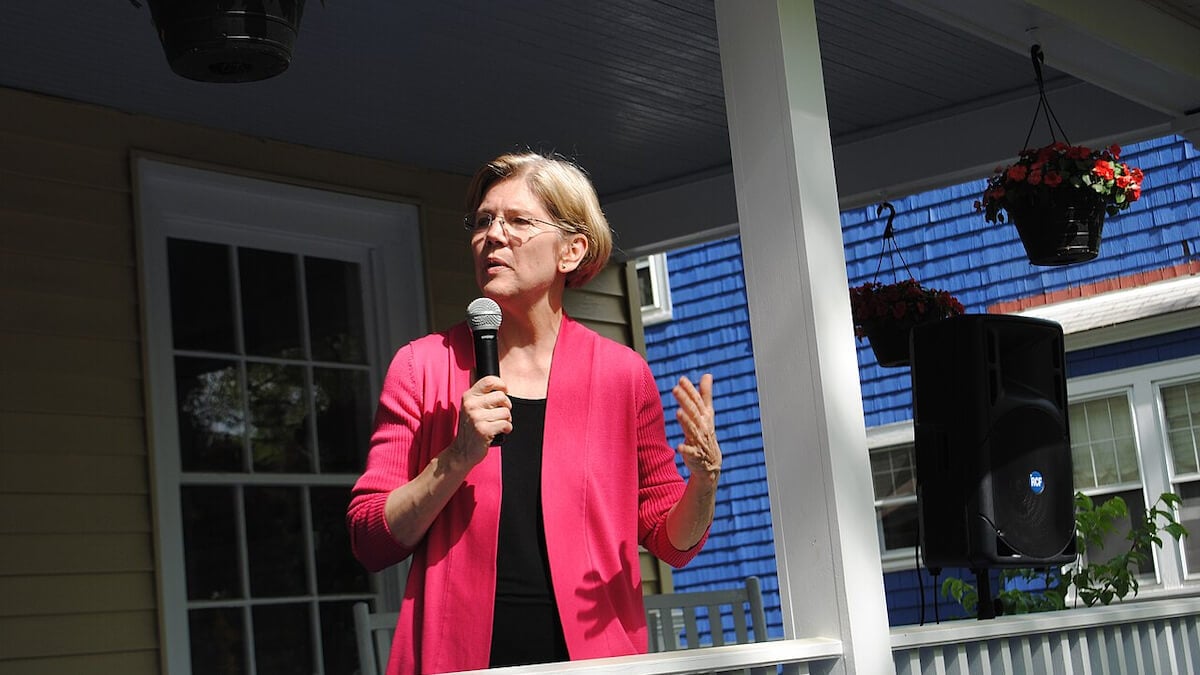
Coverage of the panel itself framed her remark that “they are being denied the brilliance and the intellectual capital of Black women” as part of a broader warning about Black unemployment and a push for a federal job guarantee, not only as a slogan about who drives the economy.
The argument over who counts as the backbone of the economy is not new, and Pressley’s panel remarks add another flashpoint to a longer fight over Black women’s job losses and what, if anything, Washington should do about them.