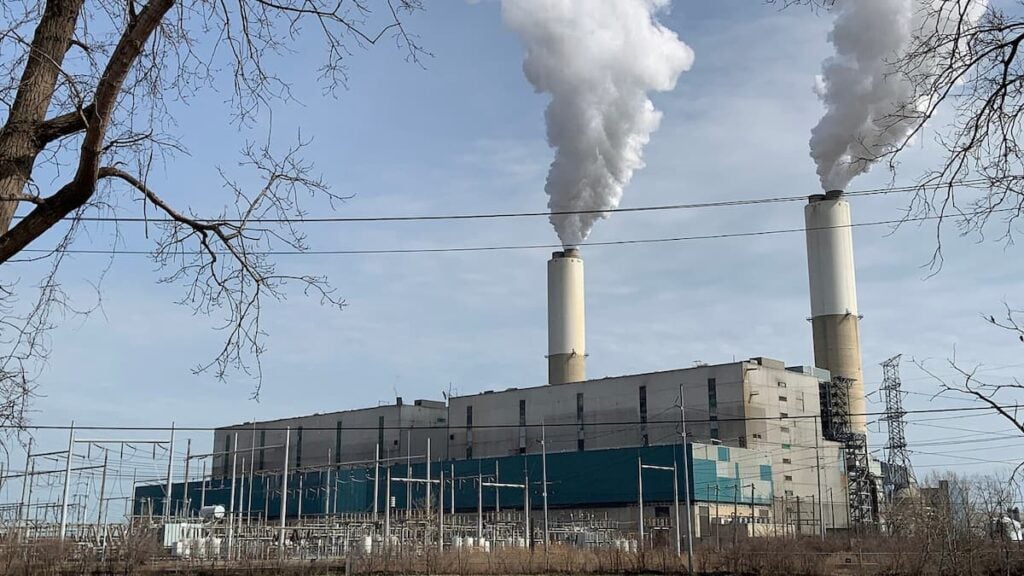
Electricity bills are already a headache for many Michigan families, and a new decision from the Trump administration is raising even more concerns about costs. The U.S. Department of Energy has ordered a Michigan coal plant to stay open despite plans to shut it down, with critics warning that keeping the aging facility running is costing electricity customers millions of dollars.
On November 13, the U.S. Department of Energy issued another emergency order, requiring the J.H. Campbell coal plant in West Olive to remain available until February 12, 2027. The decision follows a federal appeals court ruling against an earlier order keeping the plant open. However, the Trump administration maintains that the facility is needed to help prevent power shortages and keep the electricity grid reliable.
Keeping the aging coal plant running isn’t cheap, either. Environmental groups estimate that the decision is costing electricity customers across the Midwest more than $600,000 a day. Meanwhile, Consumers Energy has sought permission to recover some of the additional operating costs, raising concerns that Michigan households could eventually end up paying more on their electricity bills.
Michigan Locals Question Coal Plant Costs and Trump Administration’s Decision
The latest decision has sparked frustration among Michigan Reddit users, with many questioning why the aging coal plant is being kept open at such a high cost. One commenter argued that importing electricity from neighboring states or Canada would be cheaper, adding, “It’s really just a money hemorrhage at this point.”
Others focused on the court controversy. “Court orders only mean something when issued against Democrats. They’re just suggestions to Republicans,” one user wrote. Another sarcastically remarked, “Big Government Republicans are always at it.” A third questioned the apparent double standard, writing, “But if us lowly peasants defy a court order, we get arrested.”
Meanwhile, one commenter raised questions about the long-term plan for Michigan’s electricity supply, asking, “So hypothetically let’s say that we DO need the extra capacity.. what’s the gameplan?” They also wanted to know why keeping the plant operating would create additional costs for customers.
However, not everyone agreed with the criticism. One user who claimed to work in the electrical industry argued that Michigan needs more reliable power generation, stating, “Michigan does not produce enough power for the state. Gas and nuclear are our future.”

For Michigan families, the big concern is whether keeping the coal plant open will eventually mean higher electricity bills. With costs continuing to add up and the legal battle far from over, how much more could customers be expected to pay?