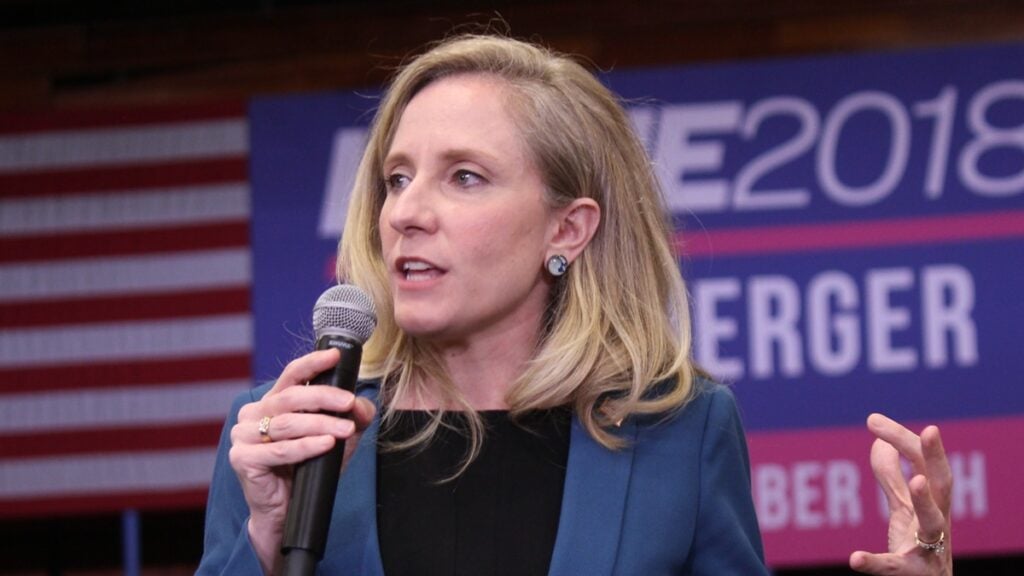
Known as the data center capital of the world, Virginia has been greatly affected by the rise of anti-data center sentiment in the U.S., and Governor Abigail Spanberger intends to address this with the state’s new energy plan. However, the latest plan unveiled by the Virginia government was met with skepticism from locals, who seem to be fed up with AI and data centers.
As reported by Canary Media, the official Virginia Energy Plan for 2026 doubles down on the Virginia Clean Economy Act (VCEA), which requires the state to transition to carbon-free energy by 2050. It also aims to achieve net-zero carbon emissions by then and increase the share of renewable energy in the state’s energy mix.
Regarding data centers, the plan proposes that developers pay their fair share, contributing up to $265 billion toward electricity system costs through 2050. It also outlines plans to reduce the strain these projects place on the energy grid.
In short, this is a set of guidelines for future energy policy, not a law. It focuses on expanding renewable energy while allowing data centers to operate under stricter rules.
Virginia Governor’s New Energy Plan Does Not Convince Locals
When commenting on the news, Virginians on r/Virginia were skeptical about how effective Spanberger’s plan would be, as it did not completely rule out the construction of more data centers. One user argued: “So, appease and negotiate. That hasn’t been the best strategy historically.” Someone else added bitterly: “Nothing from the government makes our lives easier.”
Many Virginians also had complaints about AI in general: “My hatred for AI was already pretty virulent, but when Sam Altman said that we should be ok with having terrible things happen to people in the process of normalizing it I knew that this technology needed to burn.” According to someone else: “AI is about letting wealth access skilled labor, without letting skilled labor access wealth.”
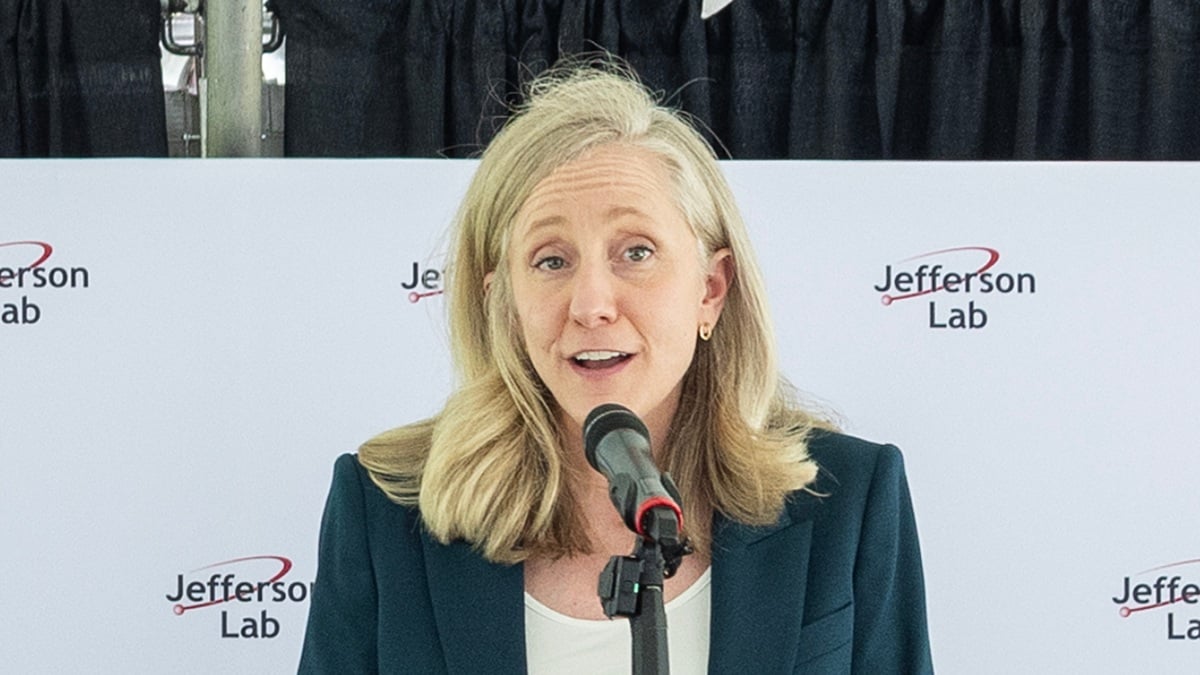
Therefore, much of the skepticism and disappointment was directed at the plan for not taking an even harder stance against AI data centers in Virginia. One local suggested what they believed would be a better approach: “The correct answer is to be for an AI data center moratorium and to build out general infrastructure not just for the data centers. You can have your cake and eat it too.”
Given Virginia’s position as a major data center hub, controversies over how strictly these projects should be regulated are likely to continue, as residents and investors clash over their differing priorities.