

Ohio’s latest major culture war talking point is no longer confined to committee rooms and legal briefs. It’s spilling into everyday conversations, with residents voicing frustration not just at a proposed indecency law, but at what they see as a broader pattern of misplaced priorities from Republican lawmakers.
At the center of the debate is the so-called “Indecent Exposure Modernization Act,” a bill that critics argue could criminalize everything from drag performances to women going braless in public. The legislation expands how “private areas” are defined and restricts certain gender-nonconforming performances to venues deemed off-limits to minors.
A recent opinion piece by constitutional law professor Dan Kobil warned that the bill’s vague language risks trampling First Amendment protections. But beyond the legal arguments, the public response has taken on a sharper, more immediate tone.
On the local Columbus subreddit, reactions to the story ranged from disbelief to anger. “All of the cost of living issues in this state… and this is the priority?” one user wrote.
“The bra police” and a breaking point
For many, the controversy is less about legal nuance and more about lived reality. Posters pointed to rising housing costs, healthcare concerns, and the opioid crisis as issues they feel are being sidelined.
“They can’t do anything about the price of gas, groceries, or housing… but they can police someone’s body,” another commenter argued.
Others aimed what they see as government overreach into personal autonomy. “Great. The bra police,” one user wrote sarcastically, while another added, “I didn’t beat breast cancer for these people to tell me I have to wear a bra.”
The bill’s potential impact on everyday clothing choices became a recurring theme. Commenters noted that sports bras, swimsuits, and even casual outfits could fall into a legal gray area depending on interpretation. “Most runners at the park would be breaking the law,” one user observed.
That ambiguity mirrors Kobil’s criticism of the legislation’s wording, particularly its reliance on subjective standards like what is “harmful to minors” or what qualifies as a legitimate artistic performance.
Beyond the specifics of the bill, there’s a clear backlash that reflects political dissatisfaction in Ohio. Some commenters openly called for a shift in leadership, arguing that culture war legislation is being used as a distraction. “It’s what gets them elected every time,” one post read, suggesting that such measures resonate with a specific voter base despite broader concerns.
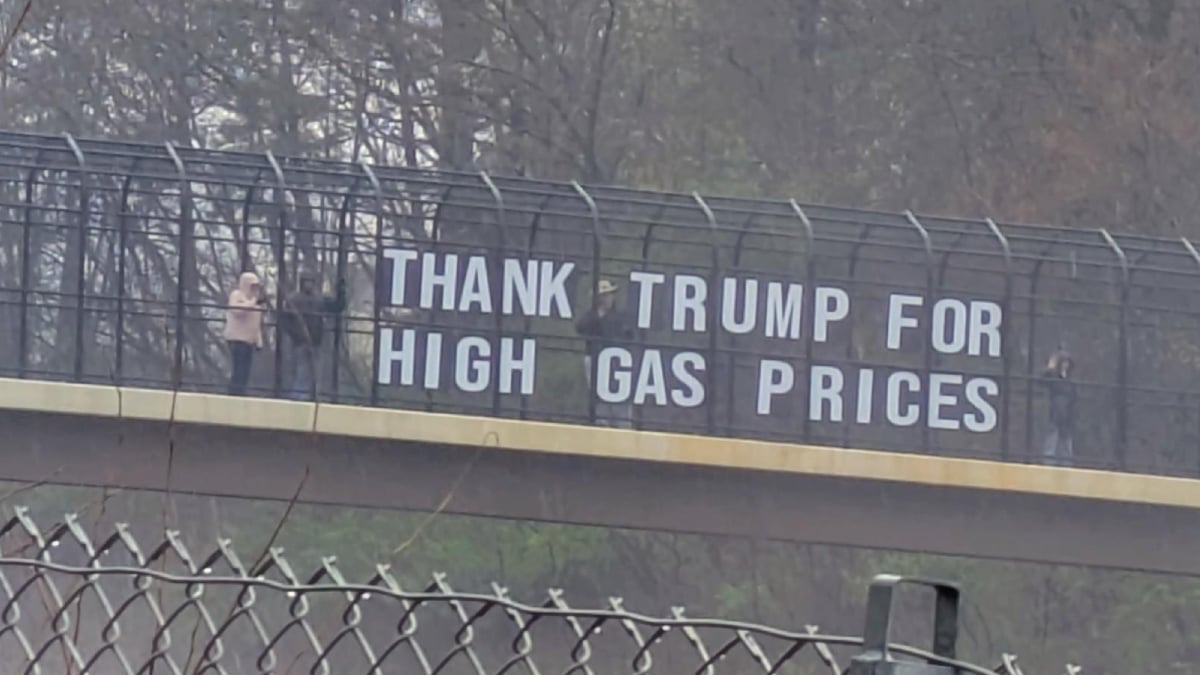
Whether the bill advances or stalls, the reaction suggests a widening disconnect between lawmakers and a segment of Ohio residents who feel their day-to-day struggles are being overshadowed. As the debate continues, it is becoming less about a single piece of legislation and more about what Ohioans expect their government to prioritize.