
Ohio’s controversial EdChoice voucher program is back under the microscope after appellate judges openly questioned why taxpayer dollars are being used to subsidize private school tuition, including for families who can already afford it.
As reported by News5Cleveland, the heated court hearing in Columbus this week centered on a lawsuit brought by more than 300 public school districts challenging the program’s constitutionality. The case has already produced a lower court ruling declaring major portions of EdChoice unconstitutional, though the state quickly appealed.
Now, online reaction across Ohio is turning just as fiery as the courtroom debate itself.
Over on the Ohio subreddit, one commenter summed up the anger in blunt terms, writing, “People keep electing rich white men into office in Ohio, whose singular goal is to hurt as many people as possible while they enrich themselves.”
The remark quickly became one of the most upvoted responses in a sprawling discussion criticizing the state’s education priorities.
At the center of the controversy is a simple question repeatedly asked by Judge David Leland during oral arguments: Why should taxpayers subsidize private school tuition for wealthy families?
Data presented during the case showed many voucher recipients were already attending private schools before the state expanded EdChoice eligibility. Critics argue that means the program is functioning less as school choice and more as a public subsidy for families already paying private tuition.
“Private schools are a privilege,” one Ohio Reddit user wrote. “Taxpayer dollars going towards private schools means less for the public schools who actually need it.”
“It’s Welfare for Rich People”
State attorneys defended the program by arguing EdChoice funding does not directly take money away from public schools. Deputy Solicitor General Stephen Carney argued the legislature could spend state funds elsewhere entirely if vouchers disappeared.
But many Ohio residents responding online rejected that argument outright.
“The vast majority of voucher users were already sending their kids to private school,” another commenter wrote. “It’s the rich getting vouchers.”
Others accused lawmakers of steadily weakening public education while steering money toward private and religious institutions.
“If we put enough of that money towards public schools they would be so nice we wouldn’t need private ones,” one post read.
The frustration comes as public districts across Ohio continue warning about budget cuts, staffing reductions, and aging facilities. According to Policy Matters Ohio, the state is underfunding K-12 public education by nearly $3 billion over the next two years while allocating more than $2 billion toward private school vouchers during the same period.
Critics also pointed to the fact that private schools can reject applicants, including students with disabilities or LGBTQ+ students, despite receiving taxpayer support.
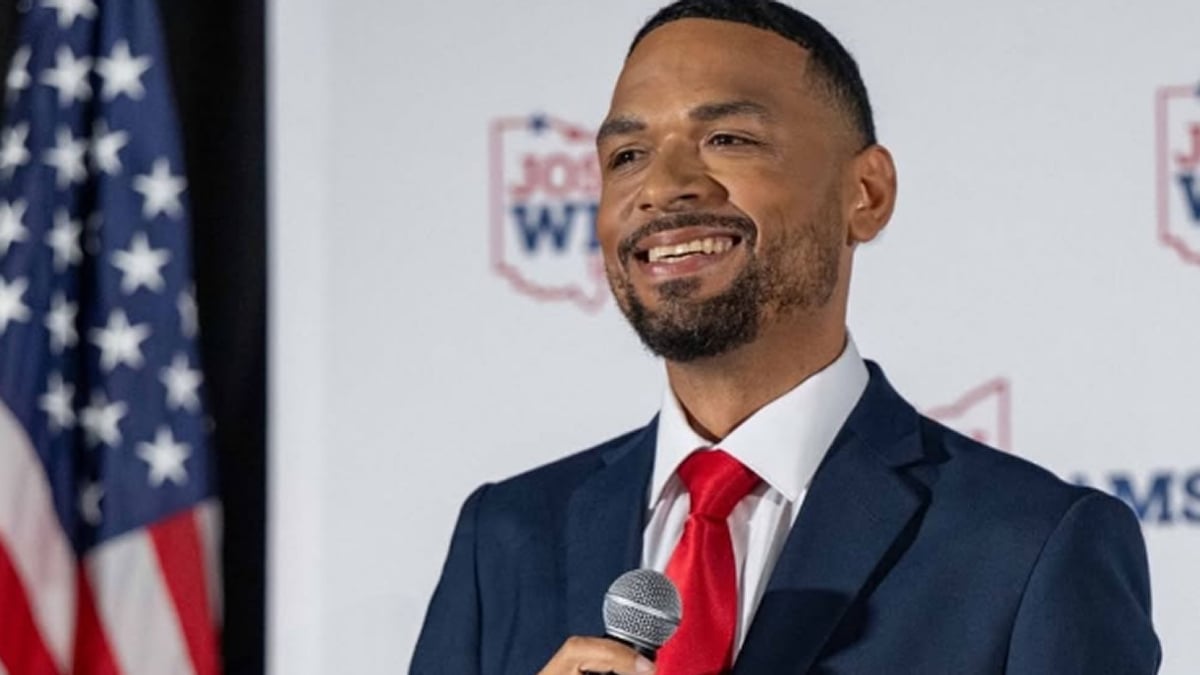
Judge Shawn Dingus pressed the state on that issue directly during the hearing, questioning whether “school choice” truly exists when private schools ultimately control admissions.
Despite the sharp questioning from judges, attorneys defending EdChoice remain confident the case will eventually land before the Republican-majority Ohio Supreme Court, where they believe the voucher system will survive.
For now, the program remains active, and so does the growing backlash surrounding it.