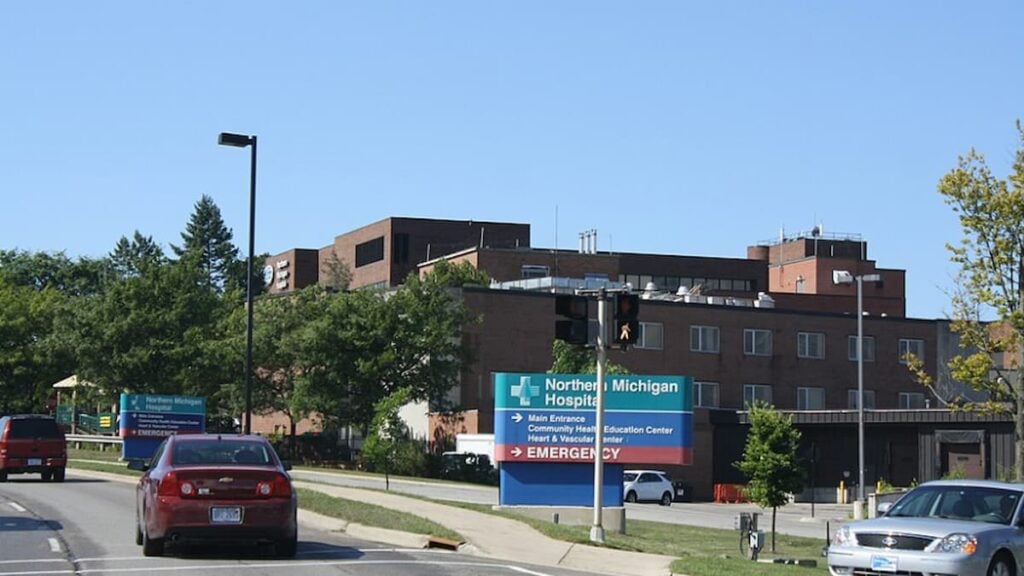
For many people living in rural Michigan, getting to a hospital could soon become a lot more difficult. Healthcare providers across the state are closing facilities, cutting services and preparing for billions of dollars in projected funding losses as major federal Medicaid cuts loom, raising concerns about what happens to communities that already have limited access to medical care.
According to a recent report from the Michigan Independent, the situation could get even worse in the coming years. A fact sheet from Protect Our Care identified 23 healthcare providers across Michigan that are at risk, have announced cuts, are closing, or have already closed, while hospitals across the state are projected to lose around $28.4 billion over the next decade.
Some communities are already feeling the impact. Aspirus Ironwood Hospital in Michigan’s Upper Peninsula ended its labor and delivery services, while Sturgis Hospital in southern Michigan ceased operations altogether in June after years of financial struggles. More recently, Henry Ford Health announced plans to close the emergency department at its River District Hospital, meaning some patients will instead have to travel between 25 and 40 minutes for emergency care.
The Medicaid cuts are part of the federal budget law signed by President Donald Trump in July 2025, which is expected to cut around $1 trillion from Medicaid and other federal health programs over the next decade. While many of those changes have not yet taken effect, healthcare providers are already having to factor the expected losses into their future plans. For rural hospitals already operating on tight margins, experts warn that could mean cutting expensive services, reducing care, or, in the worst cases, closing altogether.
For people living in these rural Michigan communities, however, the concern is much more immediate. Losing a nearby hospital or emergency department can mean longer drives when every minute counts, while cuts to services can leave patients traveling much farther for care they once had close to home. With more changes potentially on the horizon, it’s no surprise that Michigan residents have plenty to say about what this could mean for their communities.
Michigan Locals React to Rural Hospital Cuts
The situation has understandably caused concern among Michigan residents, particularly those already seeing healthcare disappear from their communities. One Reddit user wrote, “My area is very red, our hospital closed in June,” while another was much more blunt about what could happen next: “This is what they voted for. And I know people warned them of this. Sadly people will die that don’t need to.”
Others pointed out that Michigan’s rural healthcare problems did not begin with the latest Medicaid cuts. One commenter argued, “Hospitals are closing and have been for a while because hospitals are money pits,” adding that many eventually get bought by larger healthcare systems after struggling financially. Another resident highlighted the potential consequences for smaller communities around Stanton and Sheridan, warning that towns with enough hospital access for emergency stabilization could now find themselves needing “an Aeromed chopper in any urgent situation.”
The political finger-pointing didn’t sit well with everyone, however. One commenter reminded others that entire communities are affected by hospital closures regardless of how individual residents voted, writing, “I hope y’all who are celebrating this because ‘haha you voted for it’ realize that you are also celebrating the suffering and potential deaths of many people like me who didn’t vote for this.”

For families across rural Michigan, the debate ultimately goes far beyond politics and funding figures. When a local hospital closes or cuts services, it can mean a longer drive to an emergency room, fewer options for routine care, and more uncertainty when someone needs help quickly. For communities that have relied on these hospitals for generations, the fear now is not just about what has already been lost, but what could disappear next.