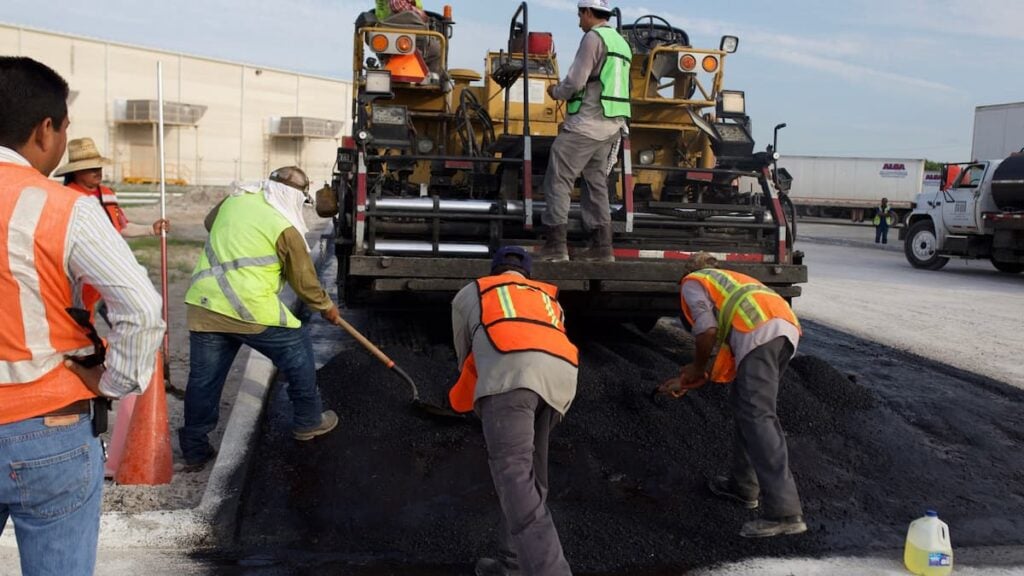
Tennessee residents are frustrated as a new state report raises the prospect of higher taxes to help tackle a growing shortfall in road funding. The state currently faces an estimated $400 million annual gap between what it needs to maintain and improve its highways and the revenue available to pay for them, leaving officials searching for ways to make up the difference — and some locals have a rather different solution in mind.
According to a recent report from Tennessee Lookout, the state needs around $3.6 billion each year to operate, maintain, and improve its highways, but currently generates only $3.2 billion in revenue, leaving a $400 million shortfall. A new report from the Tennessee Advisory Commission on Intergovernmental Relations (TACIR) suggests lawmakers could address the gap by raising existing fuel taxes, introducing a new tax, or allowing the state to borrow money for certain road projects.
As if the current shortfall wasn’t concerning enough, the problem is expected to grow considerably in the years ahead. Annual highway costs could reach around $7.8 billion by 2055, while existing revenue sources are projected to fall increasingly short. Part of the problem is that vehicles are becoming more fuel-efficient, meaning drivers are buying less gas and generating less fuel-tax revenue, while the cost of building and maintaining Tennessee’s roads continues to rise.
For Tennessee residents, however, some of the potential solutions could hit closer to home. Among the options outlined in the report are raising existing fuel taxes or introducing a new tax, meaning drivers could ultimately be asked to contribute more toward keeping the state’s roads funded. No tax increase has been approved, but with the funding gap expected to widen, lawmakers could face some difficult decisions over who picks up the tab.
Tennessee Residents Have Other Ideas for Funding the Roads
Tennessee residents were quick to suggest alternatives to higher taxes, with one Reddit user offering a particularly catchy solution: “Pot for potholes.” Another person was firmly on board with the idea despite their political leanings, writing, “This conservative is a proponent of pot for potholes.”
Others questioned why residents should potentially be asked to pay more in the first place. One commenter argued, “The state taxes so much that there is a surplus and it goes into a rainy day fund yet there isn’t enough money for the roads.” They also questioned Tennessee’s reluctance to borrow for road projects before returning to the marijuana idea, adding, “The state won’t legalize weed so we don’t have that tax revenue to pay for roads either. I don’t get it.”
State spending also came under scrutiny. “$400 million short. But we totally needed that $270 million for the private school voucher program. Make it make sense,” one person wrote. Another similarly argued that Tennessee should look toward existing state funds rather than taxpayers, claiming, “Tn had a 1.2 billion surplus and from last year 1.56 Billion. Why don’t we use that money for roads? No need to raise taxes.”

With Tennessee already facing a $400 million road funding shortfall, finding a long-term solution is becoming increasingly difficult to avoid. However, the prospect of higher taxes has understandably left some residents frustrated, particularly when they believe other sources of revenue should be explored first. Whether lawmakers ultimately raise taxes, borrow money, or take another route remains to be seen, but many Tennesseans clearly don’t want ordinary residents to be the ones left to foot the bill.