Many racing fans out there might know now that Screamer is making a comeback, and in the biggest possible way. The old-school days are over, as Milestone is going for a complete reboot with intricate racing mechanics, an in-depth story, and excellent character designs. Since we’re excited to try it out, we got the opportunity to ask Michele Caletti, the Development and Creative Director at Milestone, a few questions about this highly anticipated reboot, the narrative surrounding a racing game, and the legacy that this series represents.
Interview With Development & Creative Director at Milestone, Michele Caletti
Milestone S.r.l.
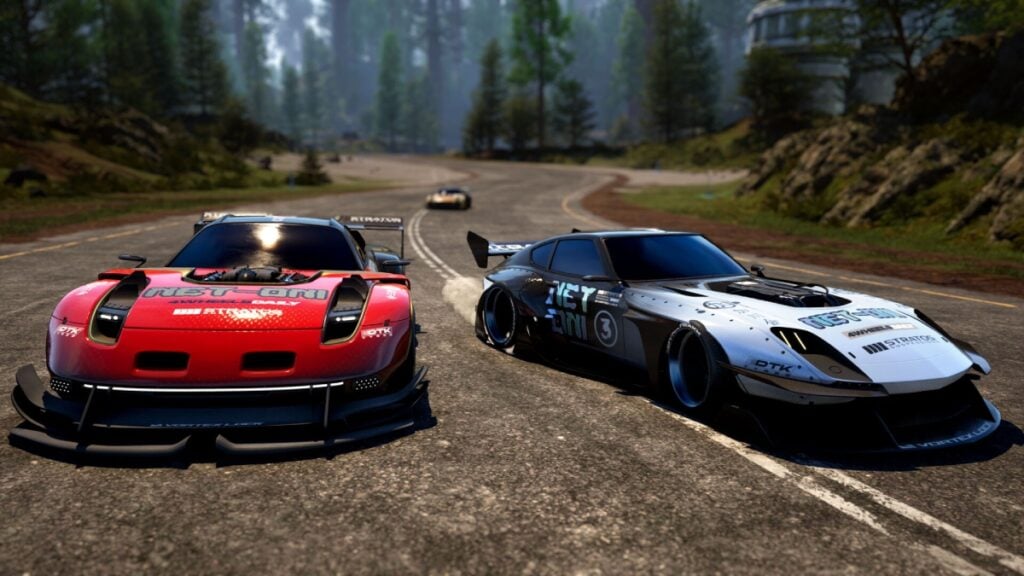
Julio La Pine, Senior Staff Writer at The Nerd Stash: Screamer takes a more arcade-like approach to the genre with active mechanics, such as the speed boost you get when shifting gears or the twin-stick driving system. As someone who’s felt burnt out with the usual kart-racing staples, I find this approach to be engaging, but how did the team come to this decision instead of following the design choices that the genre has had for decades now?
Michele Caletti, Development and Creative Director at Milestone: From the first game conception, the goal was to break the mould of arcade racing tropes, from all perspectives: narrative, visual, and gameplay. We wanted to make something unique, and somehow a “modern classic”, so we knew we had to take a bold position on gameplay. The goal was to have something spectacular, dynamic, and engaging, and we asked: “How should we get it? How can we get smooth drifts, spectacular action, and fighting?” and all came as a consequence. Then, there were many occasions where we had to make hard decisions because when you’re in uncharted territory, you have little reference to work on. The Strike system, early on, was much different, more like a “guided missile,” but simply, it didn’t work, so we scrapped it and restarted from scratch. Now we’re very proud of the final result.
Julio: The anime-like aesthetics are a vital part of Screamer. Was there any inspiration behind the design of the characters we’ve seen in the previews and in the most recent story trailer?
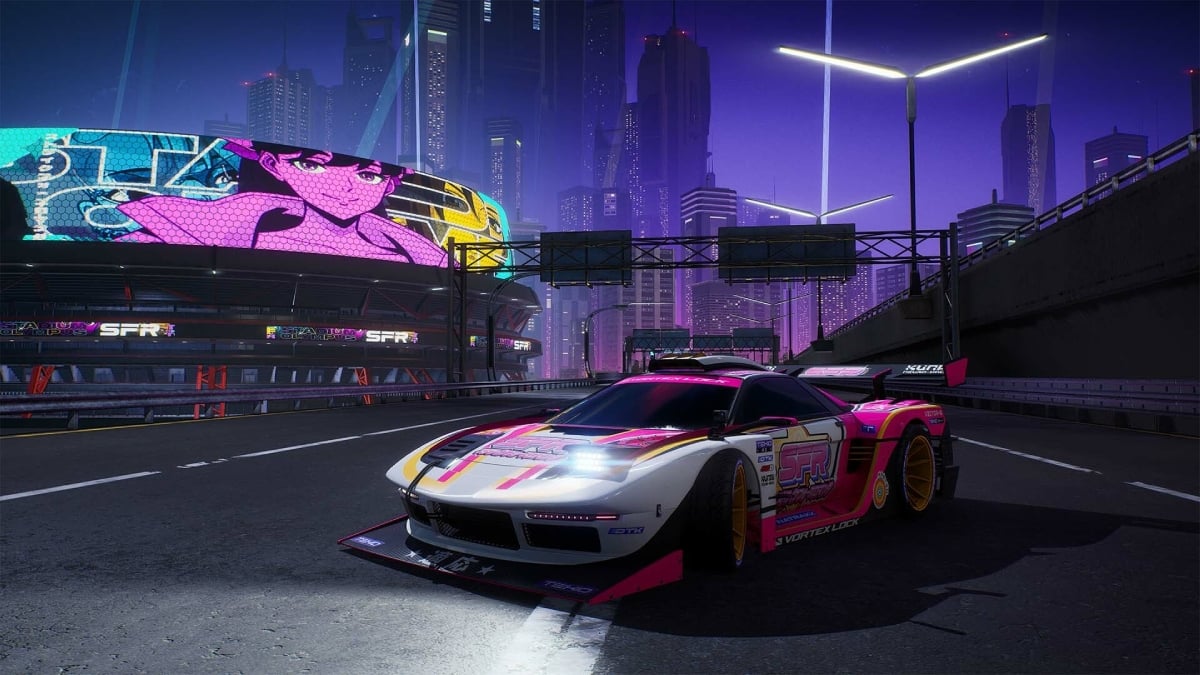
Michele: Of course. Many of the team and I have seen over and over some key anime movies and series, and we’ve found ourselves with a strong common ground. This includes Akira, Ghost in the Shell, but also lesser-known ones like Bubblegum Crisis, Cyber City Oedo 808, and some others. These are all 90s anime, regarded by many as the peak of sci-fi and cyberpunk aesthetics, but this is only the foundation; we needed to go beyond the neon-flooded cityscapes, understand how to translate anime into a video game, and blend the cutscenes with gameplay. We wanted to get away from the excessive stereotypes, and stick to the source material: now the 80s and 90s are seen like from a memory lens, with too many colours, too similar visuals. Instead, there were nuances, classes, and variations. We wanted a visually solid, gritty, visual approach, yet with cheerful accents (Fermi the Corgi!) and an instantly recognisable vibe.
Julio: The Screamer series saw many changes in the late 90s and early 2000s, shifting from arcade racing to a more rally-style approach. How did the team feel about rebooting a series with such a long and varied legacy and adapting it to today’s gaming trends?
Michele: We didn’t want to create a nostalgic reboot or even a retro-looking game. I thought that modern players deserved much more, so I asked myself, “What Screamer represented?” and I started from there. A game that was unique, fast, recognisable, and deeply enjoyable. So, the new Screamer starts from these foundations, but is designed for a modern game. Narrative, for example, wasn’t there in the original one, but has become important to catch the audience and create something totally new.
Julio: Often, many racing games tend to treat their narrative as a side dish instead of making it as relevant as the gameplay mechanics. How are you approaching storytelling with the reboot, and how challenging is it to create a plot surrounding a racing title?
Michele: I didn’t want Screamer to be yet another racing game with some cliché narrative attached to it: two-dimensional drivers talking about winning, losing, crashing… none of this. Screamer characters are a diverse cast, with unique motives and reasons to be there, and don’t even look like racing characters at first glance. This allowed us to use a much broader emotional palette, with some relevant themes.
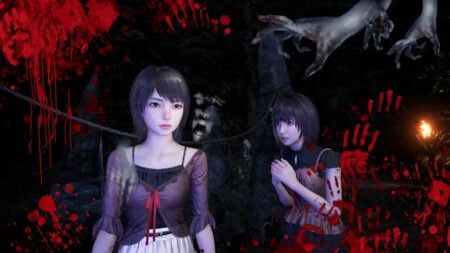
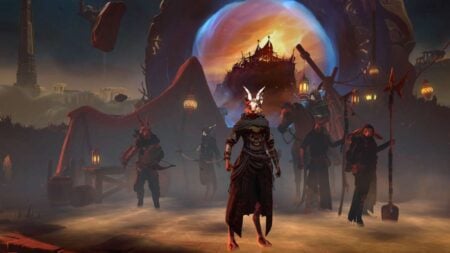
The Tournament is the connection between them, and then there’s much more to discover in what binds them, with lots of surprises. The level is kept high by the superb writing of Kerry Kazmierowicztrimm, the acting of Troy Baker, Aleks Le, Lori Alan, and all the others, and brought to the screen by Polygon Pictures. It’s a high-level production that’s unusual to the racing genre, but fits the ambition of Screamer perfectly.
Julio: Do you have any words for the hardcore fans of the series as to what to expect and what new players should be the most excited for?
Michele: To the old fans, and to the new ones alike: follow us. There’s a unique game to discover that will surprise you, will entertain you, and will put the racing genre under a new light. We’ve put in all we have got to say and to create, you can be there for the gameplay, you can be there for the narrative or the aesthetics, but it’s the blend of all these aspects that makes the game shine. It’s a game we want you to remember in the years to come, just like the original. Or more.