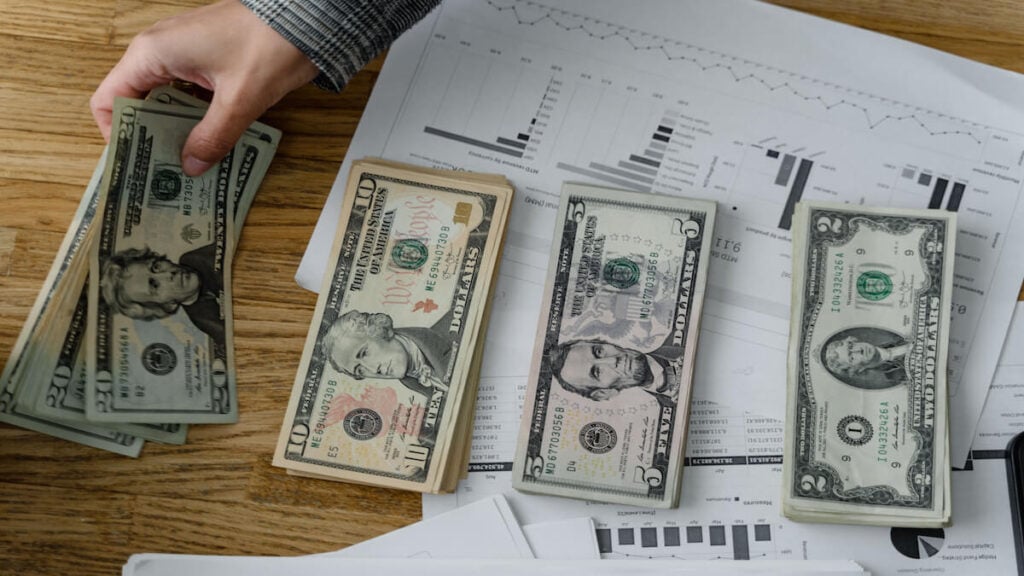
Oklahoma voters on Tuesday rejected a proposal to gradually raise the state’s minimum wage to $15 an hour by 2029, leaving the rate at $7.25. The measure would have increased the wage to $12 an hour in January and tied future increases to the cost of living.
The defeat preserves a wage floor that has matched the federal minimum since 2009. Opponents argued higher labor costs would force businesses to raise prices for consumers.
Chad Warmington, president and CEO of the State Chamber, said voters chose to protect Oklahoma’s affordability and economic momentum. Supporters said higher wages were needed to help residents cope with rising housing, grocery and energy costs.
Amber England, spokesperson and senior adviser for the campaign supporting State Question 832, said the proposal would have fared better in a higher-turnout election. She said the June date set by Gov. Kevin Stitt in 2024 reflected “a political machine who wanted a specific outcome.”
Thirty states and the District of Columbia currently mandate minimum wages above $7.25. Oklahoma workers will continue receiving the federal minimum after voters rejected the increase.
Oklahoma Minimum Wage Vote Draws Debate Over Turnout and Economic Concerns
The vote quickly sparked a broader discussion about wages, turnout and the arguments used by both supporters and opponents of State Question 832.
Questions over participation surfaced almost immediately, with one user asking, “Minimum wage struggles to make it to the polls?” Another wrote, “also the governor changed the date of the vote by executive order. it was meant to happen on midterms in november but they knew it’d pass if it was so they made sure it was lined up with june primaries to lessen the turnout of independent voters.”
Others focused on the effect the outcome could have on workers. One response stated, “I’ve seen this too. The baffling thing to me is I know some folks who were SO relieved when they started making $15/hr. It was jaw-dropping to learn they didn’t want others to ‘just get’ that same relief.” Another user argued, “They convince the ‘just above minimum wage’, a much bigger crowd, that if minimum wage is increased, then they’ll lose the little bit of advantage they have.”
Not all reactions shared that view. One commenter said, “Because they believe that raising the minimum wage will cause an economic collapse in the state.” Another wrote, “I know several people in skilled positions (trades, Healthcare, etc) who voted no because they knew that their wages were not going to raise proportionally.”
Whether Oklahoma lawmakers revisit the issue remains unclear, leaving the state’s $7.25 minimum wage in place after voters rejected State Question 832.