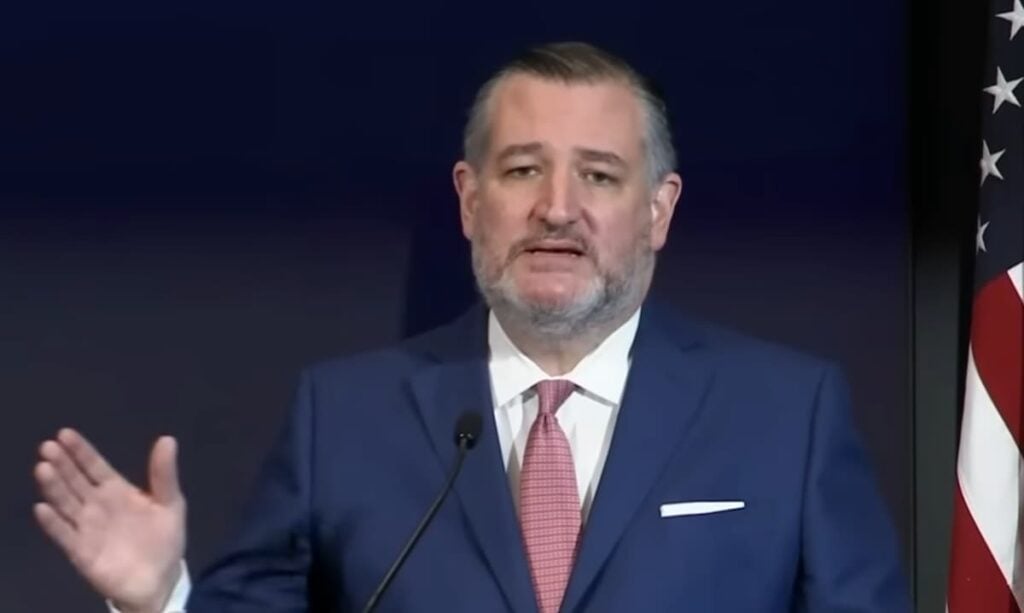
A fresh proposal from Sen. Ted Cruz is drawing sharp reactions from Texas citizens, who say the move looks strikingly similar to a plan Republicans previously rejected.
According to reporting from The Hill, Cruz is now floating a strategy to split funding for Immigration and Customs Enforcement and Customs and Border Protection from the broader Department of Homeland Security bill. The goal is to break a prolonged stalemate that has left TSA workers unpaid and airport lines stretching for hours.
On paper, the idea offers a path to reopen critical services. In practice, it has reignited a political argument that many Texans following the debate say never really went away.
Online discussions among Texan citizens quickly zeroed in on what they see as a contradiction. One widely shared comment summed up the sentiment: “So basically what the democrats proposed that you voted no on.”
That frustration stems from earlier Democratic efforts to pass funding for TSA and other DHS agencies separately from ICE and CBP. Republicans objected at the time, arguing that splitting the agencies would weaken immigration enforcement and hand Democrats leverage to demand reforms.
Cruz’s current approach still involves splitting those funding tracks, but with a key difference. His proposal would fund ICE and CBP through the budget reconciliation process, allowing Republicans to bypass Democratic support altogether. Supporters say that distinction changes everything. Critics are not convinced.
Texans Question Whether a Tactical Shift Signals a Political Reversal
Another Texan citizen framed the skepticism more bluntly, writing that the strategy appears designed to pass funding “without any democratic input and no reforms.”
The tension reflects a broader reality inside the Capitol. While the structure of the proposal resembles earlier Democratic ideas, the intent behind it has shifted. What was once a tool to pressure immigration policy changes is now being positioned as a way to protect enforcement funding from those same demands.

For Texans stuck in security lines or dealing with travel disruptions, the nuance may matter less than the outcome. Airport delays and unpaid TSA workers have become the most visible signs of the impasse.
Still, the political optics are proving hard to ignore. As one Texan citizen put it in the ongoing debate, “This is a good idea so you know it’s not only not his idea but something he has already voted against.”
Whether Cruz’s proposal gains traction or not, the backlash highlights a familiar dynamic in Washington. When gridlock forces new tactics, even small shifts can look like major reversals to those watching closely back home.