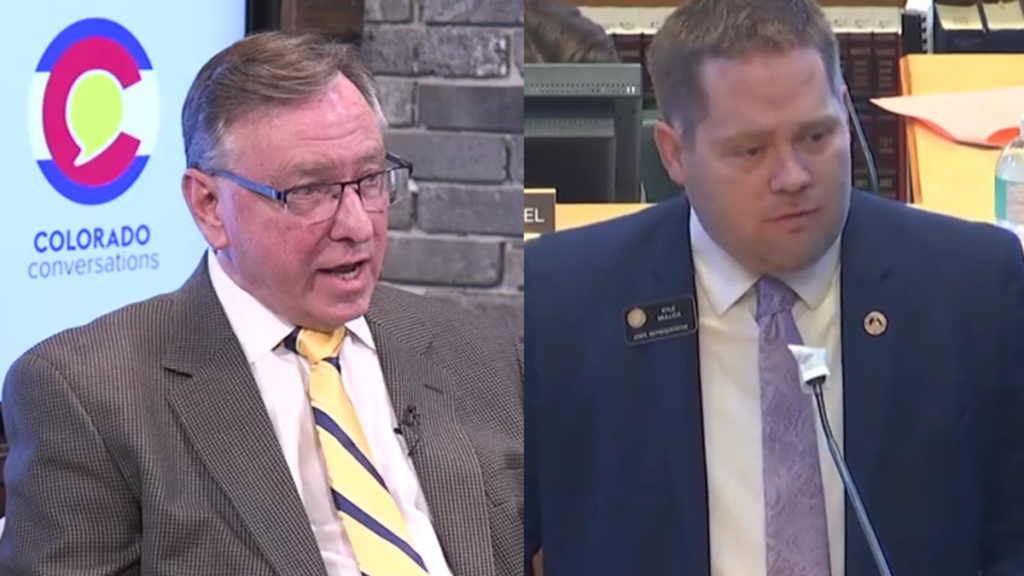
The Colorado Senate Transportation & Energy Committee voted 6-3 to reject the HB26-1273 bill, which would have required companies to pay 80% of every fare to rideshare drivers in the state. The move was considered a mistake by many Colorado residents, who believe that rideshare services such as Uber and Lyft are often unfair to their drivers.
Originally, HB26-1273 passed the Colorado House earlier this week in a 38-26 vote. However, the Senate Transportation & Energy Committee prevented the bill from moving forward with opposition from members of both parties. Republicans Mark Baisley, Marc Catlin, and Byron Pelton voted against HB26-1273, while Democrats were split on the issue. Matt Ball, William Lindstedt, and Kyle Mullica helped secure the bill’s defeat, while Lisa Cutter, Tony Exum, and Tom Sullivan voted in favor of it.
Senators Who Voted Against HB26-1273
- Matt Ball (D)
- William Lindstedt (D)
- Kyle Mullica (D)
- Mark Baisley (R)
- Marc Catlin (R)
- Byron Pelton (R)
Senators Who Voted in Favor of HB26-1273
- Lisa Cutter (D)
- Tony Exum (D)
- Tom Sullivan (D)
The bill was introduced earlier this year and was supported by Colorado Independent Drivers United, which argued that drivers were not paid enough. At the same time, it was criticized by the Denver Metro Chamber of Commerce, which argued that it could “disrupt how rideshare companies operate in Colorado.”
Colorado Residents Are Not Happy with Lawmakers Who Rejected HB26-1273
Colorado residents took to Reddit’s r/Colorado to complain about the lawmakers who blocked the proposal from moving forward. One user lamented, saying that the ones who voted against the bill were “the list of 6 people who hate our state.”
“Lobbyist money is a powerful drug.” Another added, “Can always count on Colorado democrats to think of the shareholders,” insinuating that the senators did not have locals’ best interests in mind.
Others complained about how many Democrats were against HB26-1273: “Mullica and Lindstedt vote with the Rs so much that they should just switch parties at this point.” The outrage seemed so strong that even one Democrat who voted in favor of the bill was criticized: “Tom Sullivan voted for something good for once? Amazing. The whole state congress needs a hard reset in the next election.”
To some Colorado voters, however, the bill was doomed to fail. One argued, “Governor Polis would have vetoed this if it passed. That’s what he did last year.”
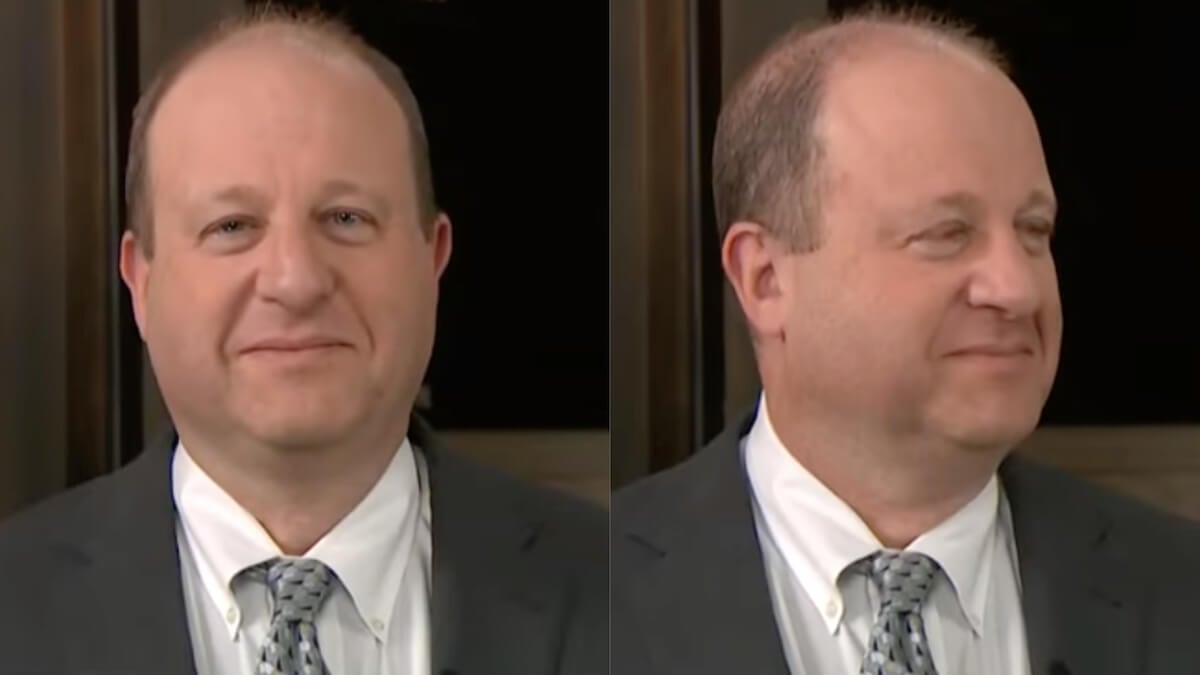
One local was not entirely convinced that the bill would be good for Colorado, saying, “Big companies would have changed things to make sure they still get the money they want, and that comes from someone. In this case, if not the independent contractors who use rideshare services to find customers, then it comes from the customers themselves.”
As the bill was rejected despite having popular support, it remains to be seen what local lawmakers will propose in the future to address concerns about rideshare drivers not earning enough.