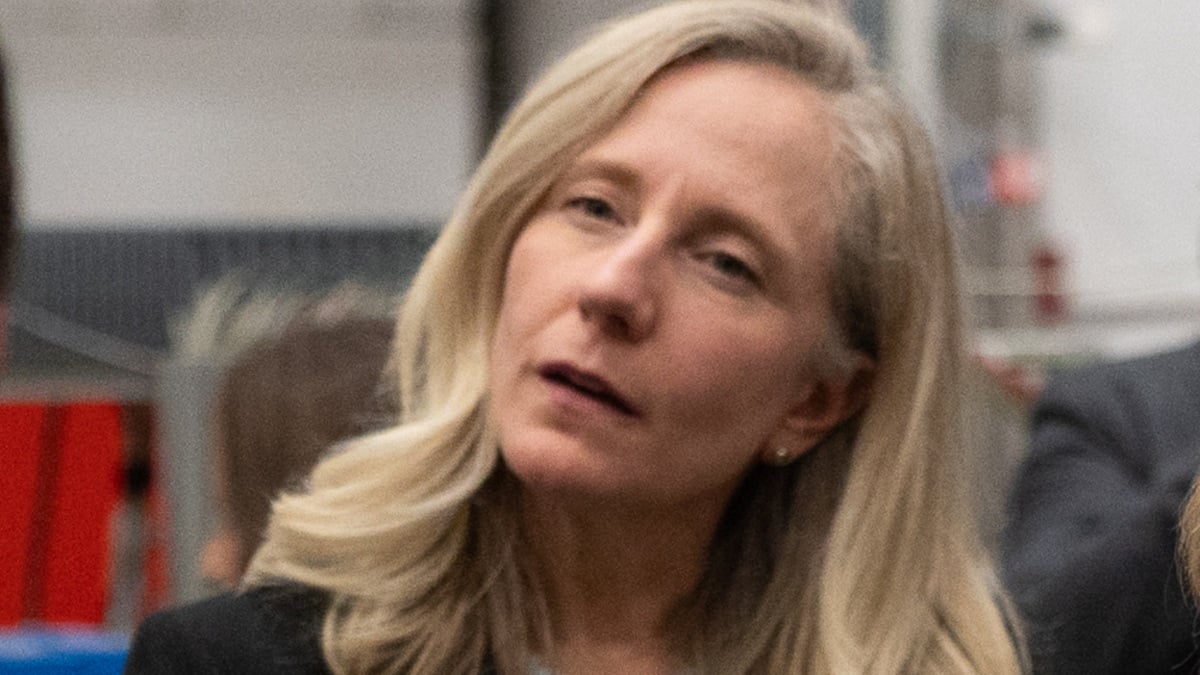
Virginia Gov. Abigail Spanberger defended vote-by-mail during a CNN interview while criticizing what she called continued attacks from the Trump administration. She said those efforts could discourage participation and affect Virginians who rely on mailed ballots. Spanberger specifically pointed to military personnel and other Americans serving overseas.
She described Virginia’s vote-by-mail program as “safe, secure, and strong” and noted that the state offers 45 days of early in-person voting. Spanberger said the administration’s approach was designed to make voters fearful and keep some people home.
The discussion then turned to Americans serving abroad. Spanberger said military, diplomatic and intelligence personnel receive ballots at postings around the world.
She said the issue also affects Virginians who may find voting by mail more accessible. That includes people with disabilities or other constraints that prevent them from leaving home.
Spanberger said the administration’s actions were impacting those voters, including Americans serving overseas.
Abigail Spanberger Faces Backlash Over Military Mail-Voting Warning
That claim quickly drew challenges from users who disputed whether the administration’s changes would restrict military voting.
“This is a blatant lie and you know it!” one user wrote. Another accused Spanberger of “deliberately misinforming the public,” adding, “Trump certainly wants men & women in uniform to vote and he would bend over backwards to make sure that happens.”
Others challenged her claim more specifically. “No he’s not, you’re just lying. None of his changes affect overseas military or gov workers,” one response stated. Another wrote, “Sigh. No. No they aren’t. Overseas Military would still be able to vote by mail just like always.”
A separate response argued, “That is blatantly false. There are exceptions for the military to vote, those traveling, or the infirm.” Another stated, “On every such occasion, he has made clear that he doesn’t want to interfere with the right of Americans serving abroad to vote by mail.”
The dispute remains over whether changes targeting mail voting could affect overseas military voters despite existing absentee-voting procedures.