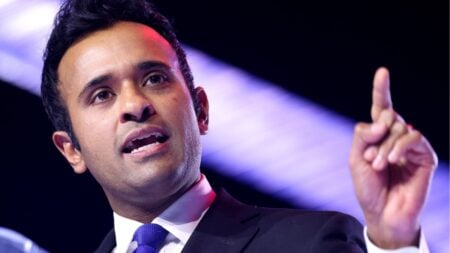
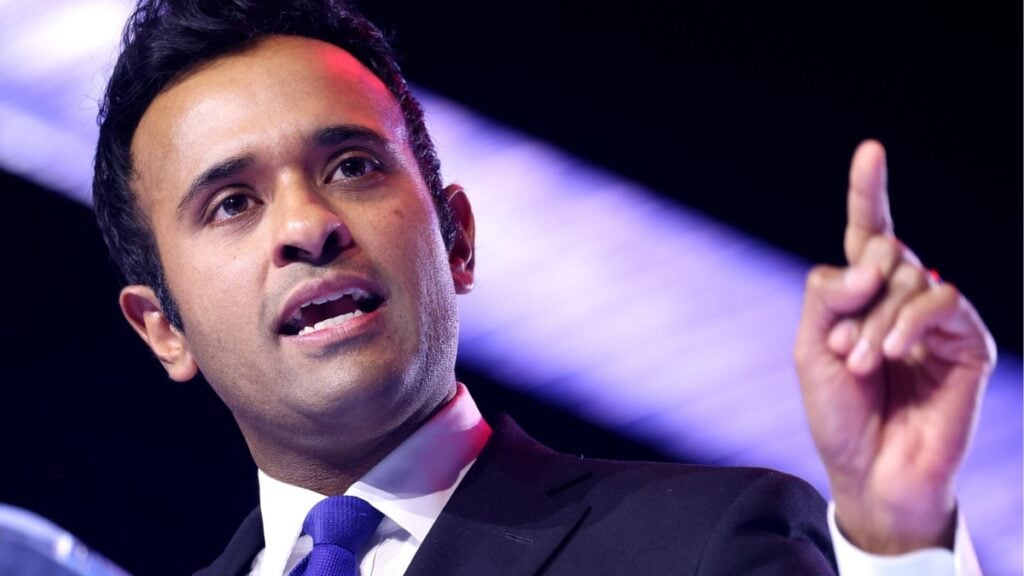
A resurfaced video of Vivek Ramaswamy rejecting a central Christian belief has triggered backlash from pastors and conservative Christians, and some of his Ohio critics are practically reaching for the popcorn.
Ramaswamy, the Republican nominee for Ohio governor, told an Iowa voter during his 2023 presidential campaign that Jesus Christ was “a son of God” rather than “the Son of God.” Asked about salvation, the practicing Hindu also described Jesus as “a path to heaven.”
Those distinctions put him firmly outside traditional Nicene Christian doctrine, which teaches that Jesus is the unique Son of God, and they have become awkward as Ramaswamy continues courting Christian voters ahead of November.
As reported by Tiffin Ohio, Christian teacher Mike Winger and Cincinnati pastor Michael Clary were among those who condemned the comments when the clip resurfaced around Ohio’s May primary. Ramaswamy, meanwhile, appeared at the Ohio Faith & Freedom Forum in August and is scheduled for a Sept. 19 Cleveland event billed as “Christians, Bikers & Patriots.”
On the decidedly left-leaning r/Ohio subreddit, sympathy was in short supply.
One commenter wrote simply: “Play this 24/7. Book it. Done.”
Another announced they were “pulling up a chair and making popcorn,” while others urged opponents to replay the footage or use it in political advertising.
But many Ohio critics say Jesus is the least of their worries
The more revealing reaction, however, was how many commenters said they did not particularly care what Ramaswamy believes about Christianity.
One Dayton commenter wrote: “I have ten thousand reasons to vote for Acton, and Vivek’s Hinduism isn’t one of them.”
Another said: “I don’t care what his religious faith is.”
Instead, several turned immediately to Ramaswamy’s business record, sometimes using sweeping allegations that go beyond what has been established.
There is, however, plenty of documented controversy to fuel that skepticism. Ramaswamy founded Roivant Sciences and helped launch Axovant, whose Alzheimer’s drug candidate was acquired for $5 million before the company achieved a multibillion-dollar valuation. The treatment later failed a major clinical trial. Ramaswamy still made a substantial fortune through his biotech businesses, although Roivant has also produced drugs that ultimately won FDA approval.
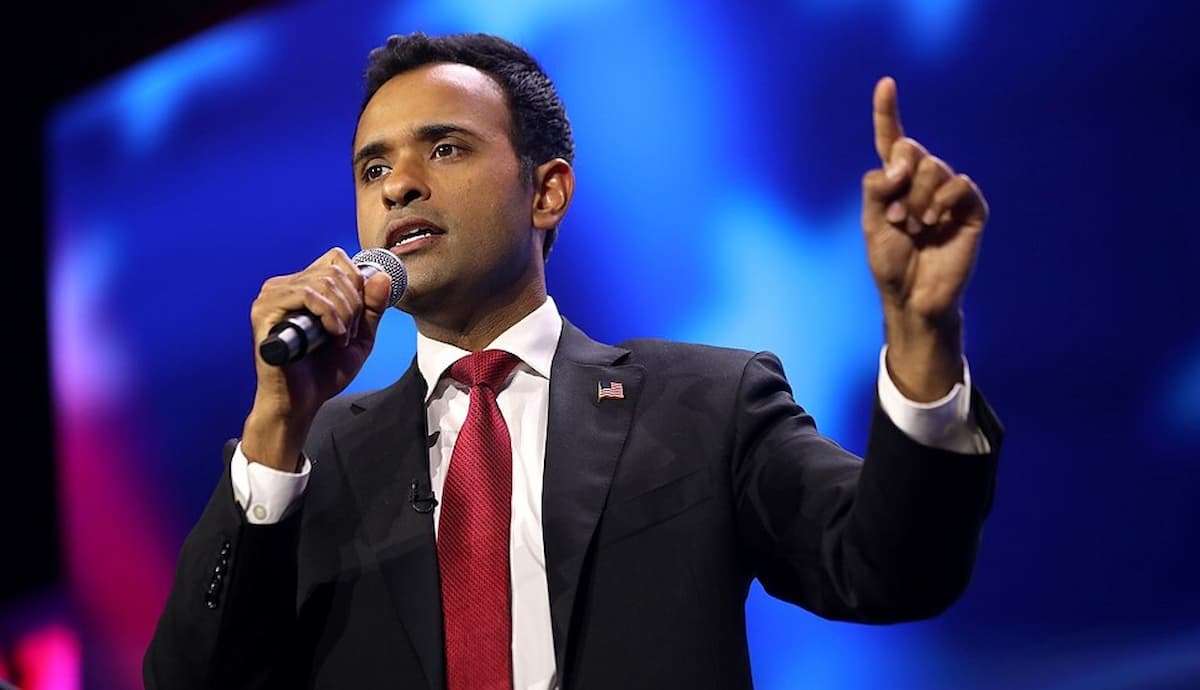
His embrace of cryptocurrency has attracted similar attention. Ramaswamy disclosed substantial Bitcoin and Ether holdings during his presidential run, while the asset-management company he founded later pursued investment products tied to Bitcoin.
That is why the Christian backlash has produced such obvious delight among his opponents. They may not share the theological outrage, but if it damages Ramaswamy with voters who do, they are hardly complaining.
As one Ohio commenter put it: “Whatever works to get him out of here, I’ll take it.”