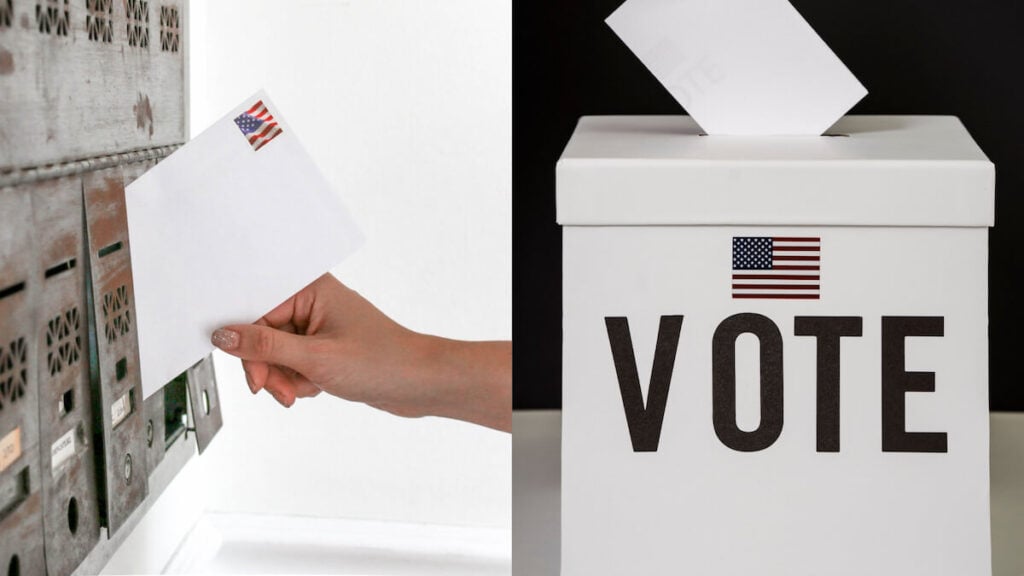
Washington, D.C., has joined 23 Democratic-led states in suing the Trump administration over new Postal Service rules that would block delivery of mail ballots unless states hand over voter lists.
The rules stem from a March 2026 executive order signed by President Donald Trump directing USPS to police mail-in voting. A federal judge in Washington, D.C., declined to block the order last month, allowing the Postal Service to begin implementing it.
State officials warn the plan could effectively eliminate mail-in voting in states that refuse to provide voter data. Maine Secretary of State Shenna Bellows said, “Then you will see a virtual elimination of mail-in voting, unless the states supply voter lists to the federal government.”
The lawsuits argue the order violates the Constitution, which gives states authority over elections. Oregon Secretary of State Tobias Read said, “This would deny eligible people the right to vote. Full stop.”
The order also directs the Department of Homeland Security to build state-by-state citizenship lists, raising concerns about voter roll purges. The Justice Department has told courts DHS is working on making “citizenship list information” available to states.
The Postal Service must now design a portal for states to submit voter lists and ballot barcodes, though officials acknowledge the system does not yet exist. The proposal remains open for public comment as appeals courts weigh whether to block the directive before the midterm elections.
Mail Ballot Lawsuit Draws Warnings About Voting Rights and Federal Election Power
The legal battle over the Postal Service directive also sparked a broader discussion about voting rights, federal authority and the role of the courts.
One user wrote, “Since when have republicans actually cared what the constitution says??” Another argued, “They have decided they deserve to win and rule. Anything that makes that not the case is wrong and so they will either cripple those mechanisms or insist they are fraudulent.”
Several responses focused on election administration and the potential impact of the policy. One commenter stated, “It’s true our elections are being tampered with, by the people making voter fraud accusations.” Another wrote, “The reason they want the list is so they can compare registered R’s and D’s to the end result.”
Others questioned whether courts could act quickly enough to resolve the dispute before future elections. One response said, “Courts are slow, elections are set, election might come first.” A separate commenter added, “Courts are slow, unless an injunction is put into place.”
Some reactions reflected broader concerns about government accountability and constitutional limits. One user asked, “At what point is this tantamount to treason?” Another wrote, “We are much closer to ‘it doesnt matter what the law says, it’s about what Trump wants.’”

The debate remains tied to ongoing court challenges, with judges still weighing whether the Postal Service directive can move forward before the next federal election cycle.