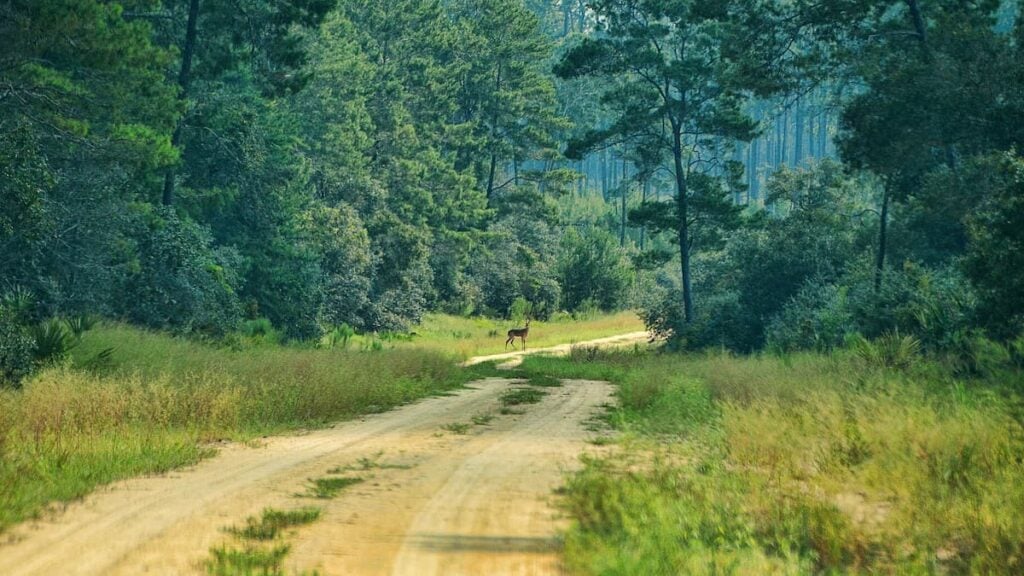
Thousands of acres within Florida’s national forests could lose federal protections against road construction and logging under a proposed Trump administration rollback. The potential change has raised concerns about what could happen to areas within the state’s three national forests — Apalachicola, Ocala, and Osceola — and the wildlife that calls them home.
According to the Tampa Bay Times, the U.S. Department of Agriculture proposed in August to rescind the 2001 Roadless Area Conservation Rule, which protects millions of acres of national forest from road construction and timber production. Florida has around 50,000 acres covered by the rule, and one conservation expert estimates that roughly 25,000 acres — an area about the size of Walt Disney World — could become vulnerable to new roads and logging if the rollback goes ahead.
For conservationists, the concern goes beyond the trees themselves. Building roads through previously protected areas can fragment wildlife habitat and make remote parts of forests more accessible to logging and other forest management activities, potentially putting additional pressure on species that depend on these landscapes to survive.
For Floridians, these forests are also places to hike, camp, hunt, fish, and escape into nature. That means the debate isn’t limited to how the land is managed, but also what any future changes could mean for residents and visitors who use these spaces.
The Trump administration, however, argues that the Roadless Rule has restricted officials’ ability to manage national forests properly. The USDA says removing the rule would give local forest managers more flexibility to address wildfire risks, forest health, road access, and timber management. The agency has also stressed that removing the rule would not automatically mean new roads or logging projects would be approved, as those decisions would still be made on a case-by-case basis.
The proposal has now moved to the next step in the process. After extending the deadline, the USDA closed the public comment period on October 6. The agency said it will consider the comments it received while developing any final rule and supporting environmental analysis. For now, however, the 2001 Roadless Rule remains in place, and no final rescission has taken effect.
Florida Residents Fear What Could Happen to National Forests
Unsurprisingly, the prospect of opening more forest land to roads and logging did not sit well with Floridians on Reddit. One commenter argued, “They ‘need’ the roads so they can leech money out of our parks. We’ve seen what logging does to land in Florida, it’s not good for anything but development when they’ve finished.” Another was particularly concerned about the impact on animals and older forests, writing, “It stinks for the wildlife living there cause their home is disrupted. But my concern focuses on old growth forests. We have so little of that left.”
Not everyone shared the same level of concern about logging itself. One Floridian pointed out, “These forests have been getting logged for a long time, it’s a managed system.”
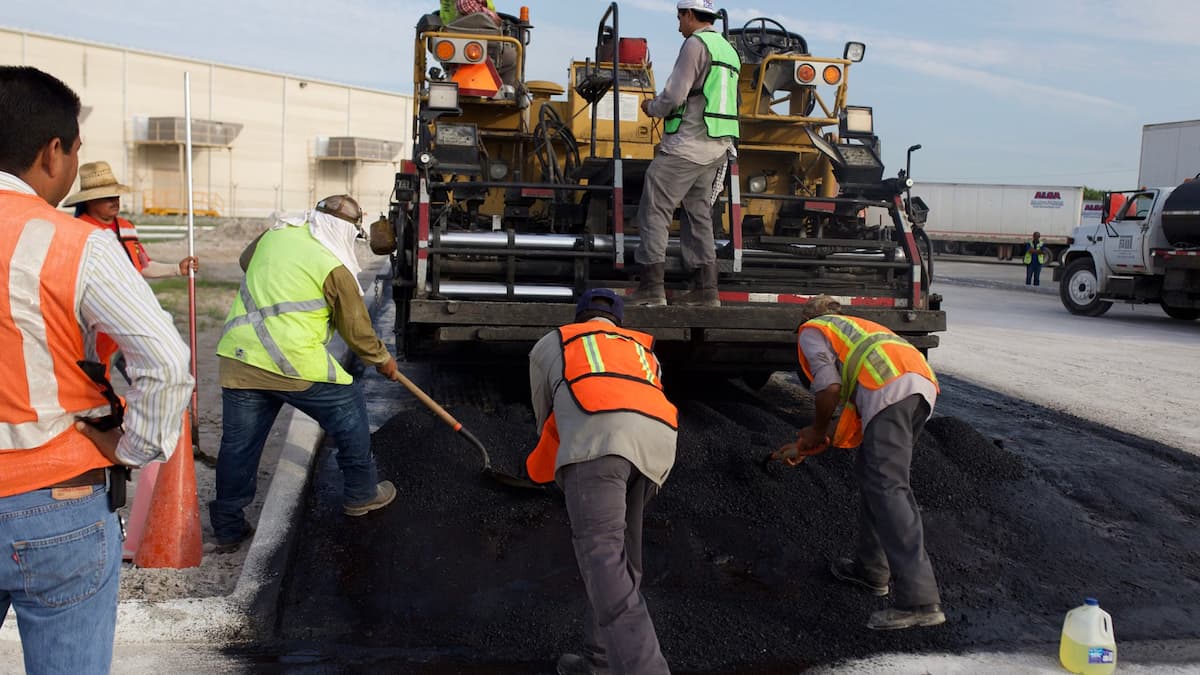
For now, nothing has changed on the ground in Florida’s national forests. The Roadless Rule remains in place while the USDA considers public comments and decides whether to move forward with a final rescission.
That means the roughly 50,000 acres covered by the rule in Florida aren’t suddenly open to new roads or logging. However, if the nationwide protections are ultimately removed, local forest managers could have more say over what happens in those areas. For Floridians worried about Apalachicola, Ocala, and Osceola, what the USDA decides next could determine how much protection these forests have in the years ahead.