Careers built in the public eye tend to follow familiar arcs. Actors act, musicians release albums, and athletes chase titles. Every so often, though, a celebrity makes a decision so unexpected that it redefines how they’re perceived, or forces audiences to reassess what success even looks like. These moments aren’t always disasters. In some cases, they’re bold pivots that challenge industry norms. In others, they’re cautionary tales about fame, power, and control.
Here are five celebrities who made controversial decisions that caught almost everyone off guard, and why those choices still resonate today.
Dave Chappelle Walks Away From Chappelle’s Show
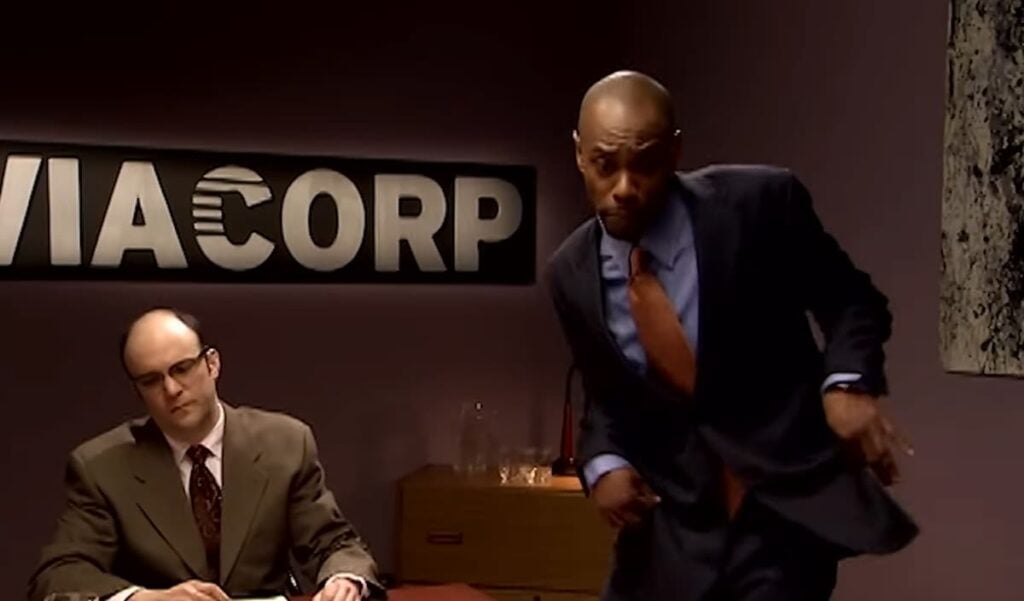
At the height of his fame in the early 2000s, Dave Chappelle was untouchable. Chappelle’s Show was a cultural phenomenon, dominating ratings and shaping comedy for a generation. Comedy Central reportedly offered Chappelle a $50 million contract to continue the series. Instead, he walked away.
When Chappelle abruptly left the show and retreated to South Africa in 2005, speculation ran wild. Headlines suggested burnout, mental health struggles, or even conspiracy theories. For years, the narrative was shaped more by rumor than by Chappelle himself.
Over time, a clearer picture emerged. Chappelle has explained that creative control, ethical discomfort, and a sense that the show’s satire was being misunderstood played a major role in his decision. Walking away wasn’t about rejecting success, but about rejecting a version of it that no longer aligned with his values.
The move was controversial because it challenged the assumption that success is something you cling to at all costs. In hindsight, Chappelle’s decision looks less like self-sabotage and more like a rare act of agency. His eventual return to stand-up, on his own terms, reframed the story entirely.
Prince Pulls His Music From Streaming Platforms
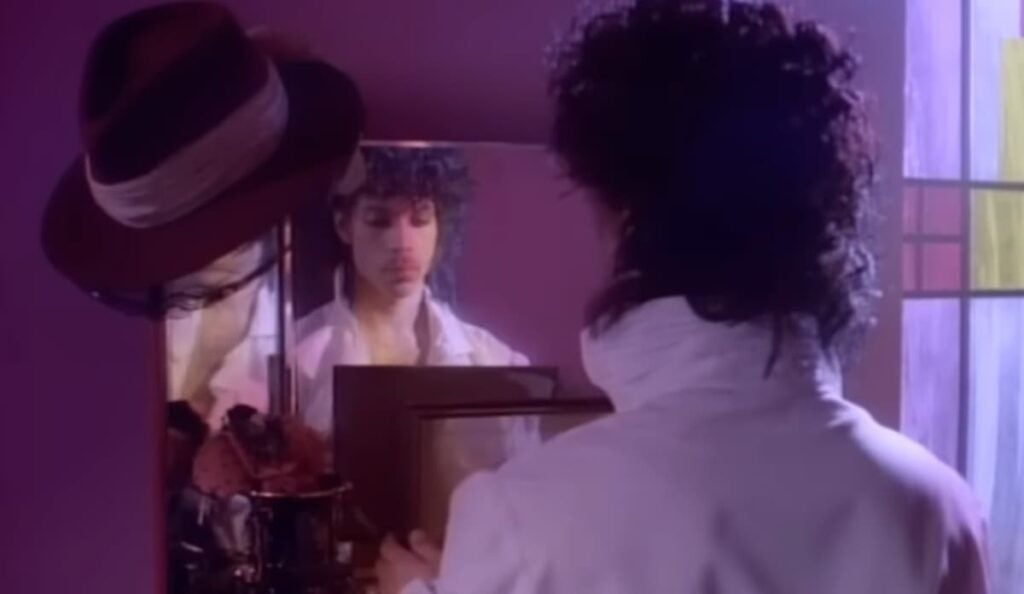
Before debates over artist compensation and streaming dominance became mainstream, Prince had already taken a firm position. In 2015, he removed most of his catalog from major streaming platforms, arguing that streaming services undervalued music and failed to fairly compensate creators.
At a moment when streaming had become the primary way audiences consumed music, the move confused many fans and frustrated casual listeners. Critics suggested that Prince risked distancing himself from younger audiences who relied on streaming for discovery. Supporters viewed the decision as a principled stand for artistic ownership and control.
The move aligned with Prince’s long-standing approach to his career. He had spent decades challenging record labels over master ownership, publishing rights, and creative freedom. Limiting access to his music through mainstream streaming platforms was not a sudden protest, but an extension of his broader philosophy about protecting artists’ work.
Prince was not entirely opposed to digital platforms, allowing portions of his catalog to appear on Tidal, which he believed operated more favorably toward artists. After he died in 2016, his estate gradually licensed his music back to major streaming services, with most of his catalog widely available again by 2018.
The return of Prince’s music reignited conversations about artist rights and streaming economics. With hindsight, his resistance to mainstream platforms is often seen less as obstinacy and more as an early critique of a system that continues to raise questions about how musicians are valued and paid.
Michael Jordan Leaves Basketball for Baseball
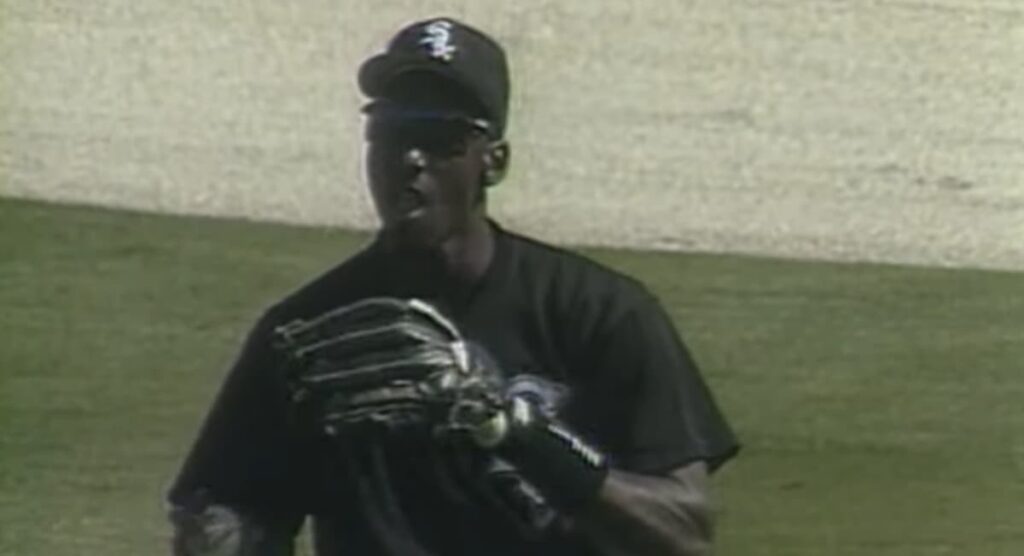
In 1993, Michael Jordan was the most famous athlete on the planet. He had just completed a three-peat with the Chicago Bulls and appeared unstoppable. Then, without warning, he retired from basketball to pursue a career in professional baseball.
The decision stunned fans and analysts alike. Jordan had played baseball in his youth, but stepping away from the NBA at his peak felt almost unthinkable. The move was met with skepticism, jokes, and intense scrutiny, especially as his baseball career proved challenging.
In retrospect, the decision was deeply personal. Jordan has cited burnout and the loss of his father as key factors. Baseball offered an escape from expectations and a chance to start over anonymously, something basketball could no longer provide.
While his baseball stint was short-lived, Jordan’s eventual return to the NBA only added to his mythology. The controversy didn’t diminish his legacy; it complicated it, revealing the human limits behind an otherwise superhuman career.
Robert Downey Jr. Bets His Comeback on Iron Man
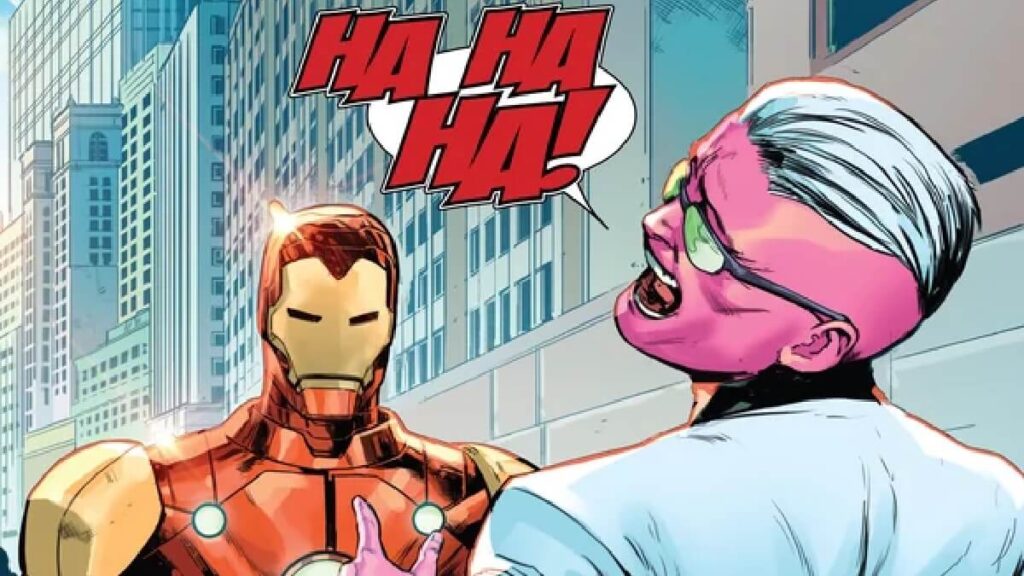
By the mid-2000s, Robert Downey Jr. was known more for his troubles than for his talent. Despite flashes of brilliance in earlier roles, his legal issues made him a liability in Hollywood. Casting him as Tony Stark in Iron Man was seen as a major risk, not just for Marvel Studios but for Downey himself.
The controversy was about trust. Insurers were hesitant, studios were cautious, and critics questioned whether Downey could sustain a franchise-leading performance. Accepting the role meant putting his entire comeback on the line in one highly visible project.
The gamble paid off. Downey’s performance became the emotional and tonal foundation of the Marvel Cinematic Universe. More importantly, it reshaped his public image, transforming him from a cautionary tale into a symbol of redemption.
What made the decision unexpected wasn’t just the scale of the franchise, but the timing. Few actors rebuild their careers by stepping into a role with so much pressure. Downey redefined what a comeback could look like.
Beyoncé Releases Lemonade as a Visual Album Event
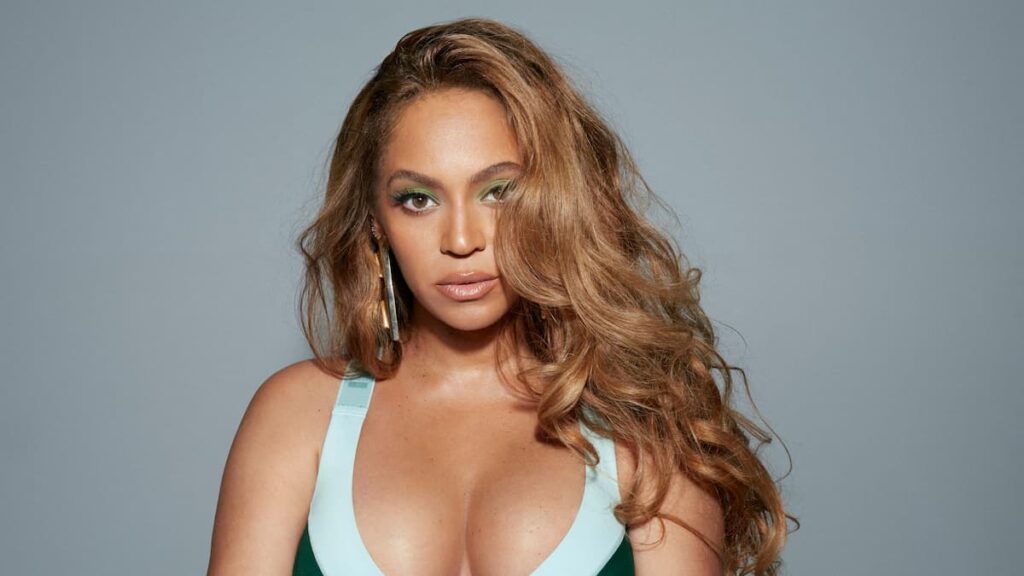
By 2016, Beyoncé was already one of the most powerful figures in music. She didn’t need to reinvent her release strategy or take creative risks to maintain relevance. That’s what made Lemonade such a surprise.
Instead of a traditional album rollout, Beyoncé released Lemonade as a full visual experience, premiering it on HBO before making the music widely available. The project blended personal storytelling, political commentary, and genre-spanning music in a way that felt intentionally confrontational.
The controversy stemmed from its intimacy. Lemonade addressed infidelity, race, and generational trauma with little attempt to soften the impact. Fans and critics debated how autobiographical the project was, while others questioned whether such a personal narrative belonged in a mainstream pop release.
Rather than retreat, Beyoncé leaned into the conversation. Lemonade became a cultural landmark, proving that mainstream success and artistic ambition didn’t have to be mutually exclusive.