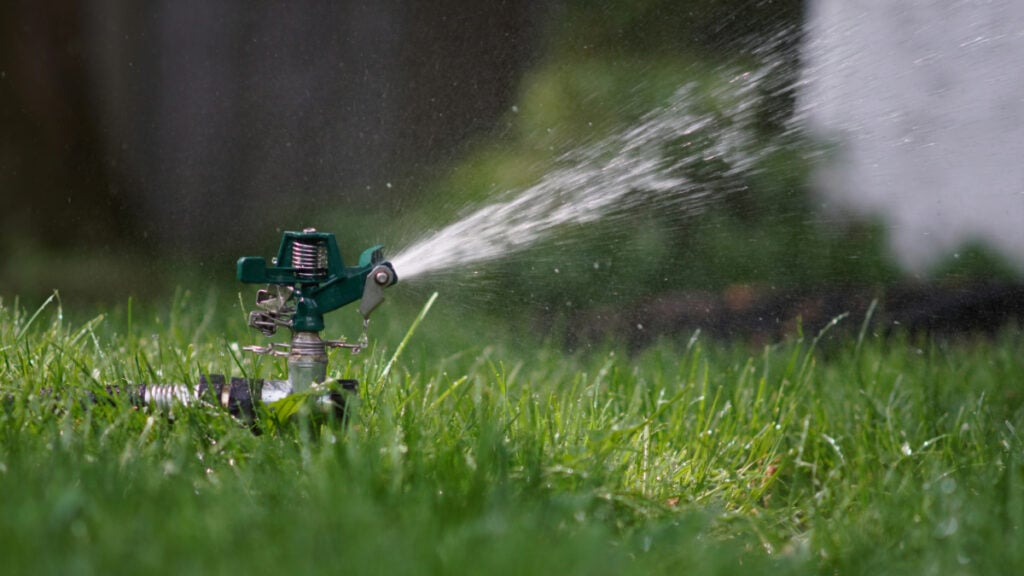
Big homes, fancy cars, clothing fashion, and even a well-kept, verdant front lawn can all be symbols of class and status. Unfortunately for Florida, the state is experiencing quite a severe drought, with Gulfshore Business reporting that over 75% of the conditions are extreme. Yet, one particular couple who had just moved into a new neighborhood in Pasco County wanted their grass to be greener than anyone else’s, even if it meant doing things unnaturally. The lawn services they pay to come spray their lawn have contaminated the well water of their neighbor, who’s now looking to sue.
“Most other people here choose to work with nature instead of fighting it and have let their lawns go dormant,” the neighbor explains in the post on r/legaladvice, referring to the drought. But this couple is the “ONLY people in the whole area” who have lawn care services to match their “fancy new home” with a “perfect green lawn.” As a result, the runoff has gotten into their well water, forcing them to live off bottled water and showers at their local gym.
Florida Government Tells Homeowners to Regularly Check Their Well Water, Which Is How the Contamination Was Discovered
“I take my health seriously, and they have contaminated my water,” the neighbor angrily remarked, pointing out that they regularly test their water and have evidence that it’s because of the lawn care service. Now, they’re looking to pursue legal action and sue the couple paying for it. To those not living in Florida or unfamiliar with using well water, the government actually advocates for homeowners to routinely have their water checked, according to the state’s Department of Health.
As to whether the neighbor has a strong case against the couple, Reddit commenters suggest getting a good environmental lawyer before anything else, as well as documentation confirming whether the lawn chemicals comply with local laws. Not to mention, as one user puts it, “Groundwater contamination is a big deal & you likely aren’t the only ones affected by this,” especially in Florida. That said, the local authorities will definitely need to verify whether the chemicals are actually doing damage before any action can be taken, unless more of the neighborhood is being affected.