The Texas comptroller’s office recently released preliminary data on applicants for the state’s private school voucher program. However, the numbers indicate that most applicants are White students who come from either private schools or home-schooling backgrounds, sparking anger among many Texans who believe the program unfairly benefits the wealthy.
In total, reports show that 256,700 Texans applied for the vouchers: 45% are White, 23% are Hispanic, and 11% are Black. Only 36% come from “low-income families,” which the government defines as earning less than $66,000 per year. Additionally, 73% attended a private school or were home-schooled during the previous academic year.
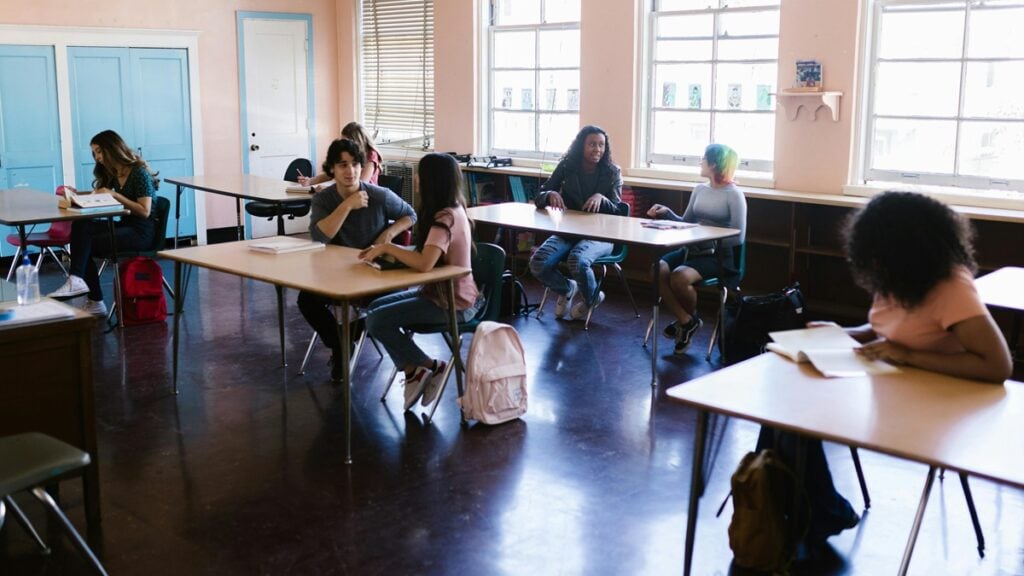
This presents a stark contrast to the demographics of Texas public schools, where 24% of students are White, 54% are Hispanic, and 13% are Black. About 60% are considered low-income.
The voucher program allows students to use taxpayer funds to cover private school tuition or home-schooling costs. Children attending private schools can receive up to $10,500 per year, while homeschoolers may receive $2,000 over the same period. Children with disabilities may qualify for up to $30,000 annually.
Texas Residents React to Private School Voucher Program
Many Texans reacted negatively to the figures, with some describing the voucher program as “welfare for the wealthy.” One social media user argued, “Vouchers have always been a discount coupon for people who can already afford private school. My mother was saying that about the voucher programs that they tried to start back in the late ’60s and early ’70s.”
Most Texans were not surprised, but rather disappointed, saying the data came as “no surprise. This program was enacted for those demographics.” Another added, “The average private school tuition in Houston is 30k. Normal families cannot pay the remaining 20k… vouchers were 10k coupons for the rich from the start.”
Some folks had harsh words for the program, saying, “Desegregation never sat right with a certain portion of the population, and this was the result.” Others complained that “The only people I know taking the vouchers don’t need them.”
Overall, most users seemed to believe that the voucher program was effectively transferring public money to already wealthy families, which left many feeling frustrated. It remains to be seen how the program’s demographics will evolve in the coming years.