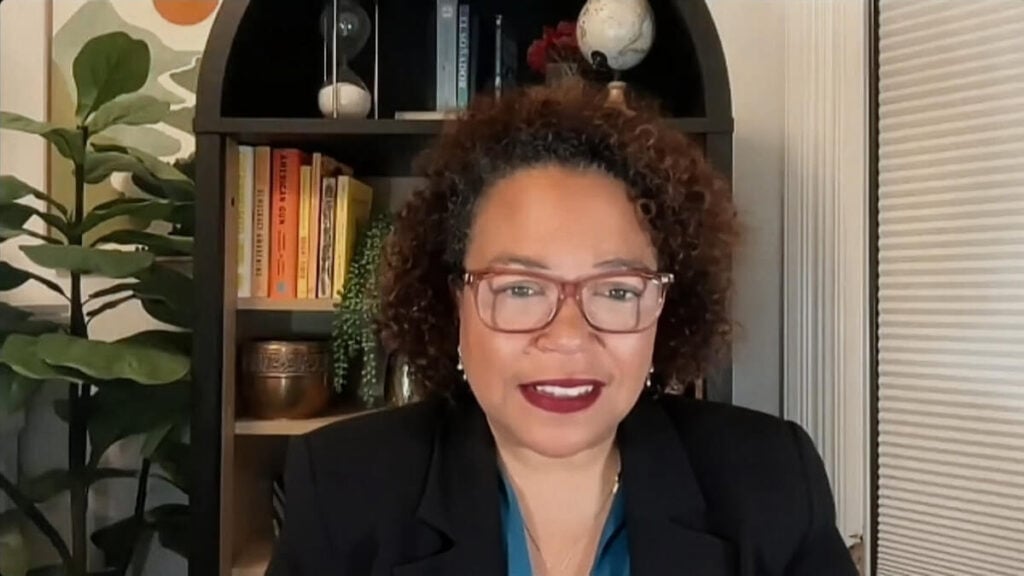
A California bill authored by Assemblymember Mia Bonta is drawing backlash, with critics questioning whether it could impact independent investigations into alleged fraud and pointing to her connection to Attorney General Rob Bonta.
The proposal, known as AB 2624, would expand privacy protections for certain organizations, including those tied to immigrant services. Supporters say the bill is intended to prevent harassment and protect individuals from being targeted through online content.
Critics argue the measure could limit how investigative footage is shared or expose those publishing such content to financial penalties, raising questions about its potential effect on independent reporting.
The criticism gained traction after independent journalist Nick Shirley publicly pushed back on the bill, linking it to his own reporting. “While the Attorney General is supposed to be prosecuting fraud, his wife is creating laws to let fraud continue,” he said.
Online Reactions Split Between Fraud Concerns and Pushback
Online reactions quickly focused on transparency and accountability.
“It is honestly so frustrating to see transparency being treated like a crime,” one user wrote, echoing concerns that investigations into alleged fraud could be discouraged.
Others took a more aggressive stance. “They are 100% guilty of fraud themselves,” one commenter wrote, while another added, “Send them all to prison,” reflecting broader distrust of state officials.
Some questioned why the issue appears to rely on independent efforts. “Why is Nick Shirley the only one investigating this stuff?” one user asked.
At the same time, not all reactions supported those claims. Some pushed back directly. “Use the facts to prove what you say… you speak your opinions as if they are facts,” one commenter wrote.

Others suggested the criticism may be overstated, pointing to the bill’s stated purpose of addressing safety and harassment concerns rather than limiting investigations.
The reaction centers on a familiar divide: whether the bill protects people from harm or shields them from scrutiny.