
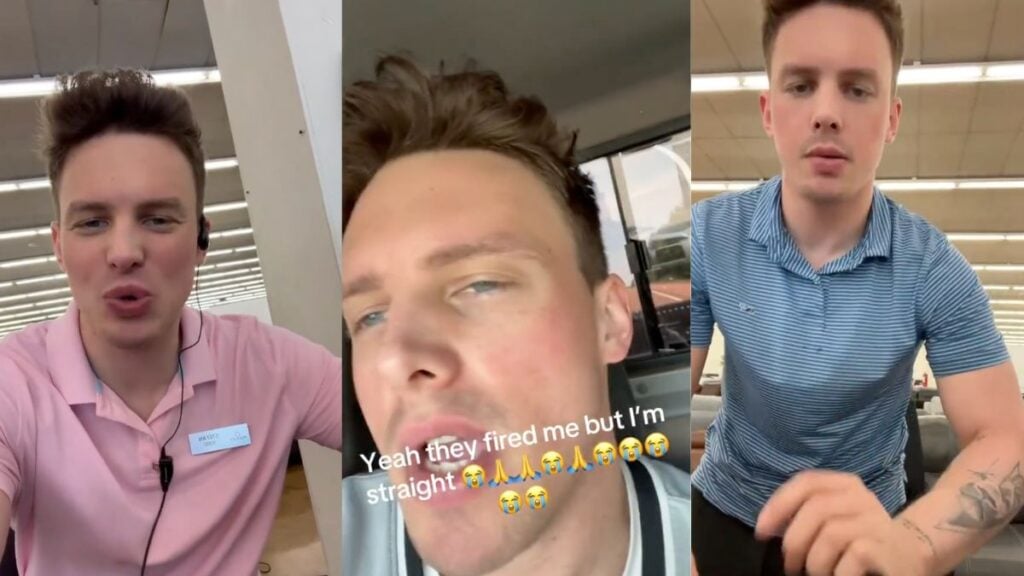
An Ashley Furniture worker in Memphis, Tennessee, lost his job because of TikTok. Stef, as he is known online, started filming freestyle rap videos inside the store, telling people to come by and shop. He wasn’t asked to do it. He just thought it would be a fun way to promote the place. The idea went viral. Within days, his videos had racked up over 6 million views on TikTok and even made the rounds on X.
But then corporate noticed. They told Stef to delete the videos. He refused, so they fired him. Stef posted a follow-up video explaining everything: he just wanted to help the store, but management’s response was to show him the door.
Ashley Furniture hasn’t said anything publicly about the firing, and no one is even sure what rule Stef actually broke. All we really know is that his homemade rap promos got people’s attention, and in the end, the company chose to get rid of Stef over letting him be himself.
Internet Reacts To Ashley Furniture Firing Tennessee Employee Over Rap Videos
The reaction online was swift and almost entirely critical of the company’s decision. “Imagine firing the guy who was marketing your brand to millions for free,” one person wrote, capturing the central frustration expressed across platforms.
Others tied it to a broader critique of corporate culture. “Corporate jobs don’t like you being too human,” a user commented. Some pointed to the absurdity of the business logic. “When’s the last time Ashley Furniture went viral for anything or got any media exposure via their own marketing experts? I’d buy a chair from this dude just on principle,” one person wrote.
Others called it a generational problem. “This is what happens when you don’t force boomers out of leadership positions,” a user commented. A few kept it simple. “Better advertising than what they have come up with,” one person wrote, while another added: “Why would they fire him. He’s trying to bring customers into the store.”
People are latching onto the story because it feels familiar. Big companies spend a fortune on ads nobody cares about, but when someone actually makes something fresh and real, which millions of people want to watch, they shut it down. It’s an old disconnect: corporate control versus real human connection.