A registered nurse in Michigan went viral after a video circulated online in which she made controversial and threatening remarks about President Donald Trump.
It was claimed that the woman works as a registered nurse at the University of Michigan Health. The video containing her alleged remarks circulated widely online, prompting backlash from viewers. Many people began calling for her termination after the clip spread.
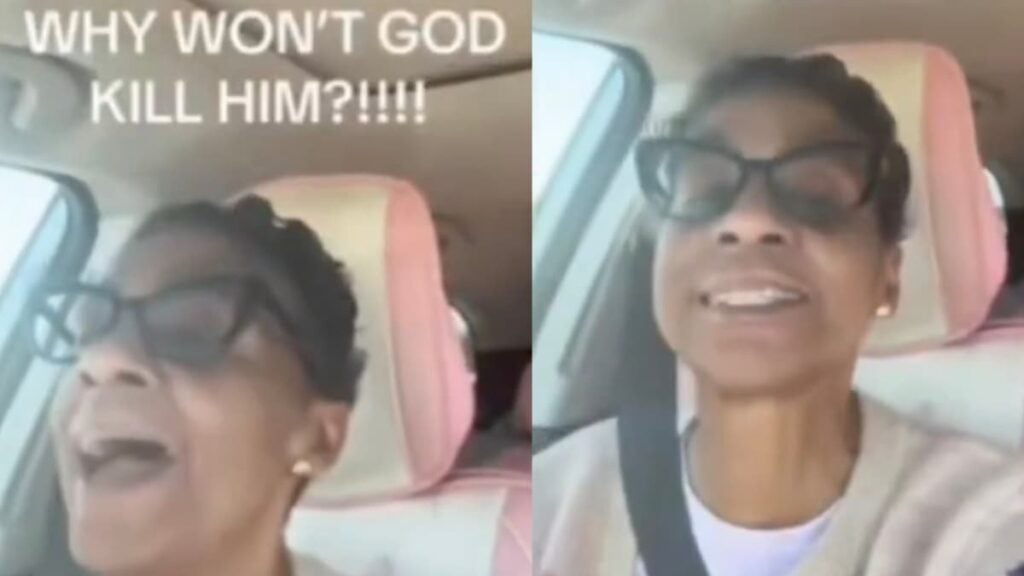
In the video reportedly posted by the nurse, she wrote on top of it “WHY DON’T GOD KILL HIM?” She started the video by yelling, “he needs to [expletive] die.” She then added that she had never felt that strongly about any other figures before.
“But you know what? [Expletive] that guy. He [expletive] needs to die,” the nurse added. She then claimed that she was never a violent person but she was about to “drive up there” with her neck knife and “give him a smiley face across his neck.” Many considered that statement a threat to kill Trump. She ended her video by saying, “I hate that [expletive].”
Viewers Attack Michigan Nurse After Threat Video
The video sparked reactions online. Many viewers were shocked by the video involving the nurse in Michigan and called for consequences following the widely circulated clip. “Arrest this Democrat Domestic Terrorist that openly says she will assassinate @POTUS,” one person wrote. Another added, “No more psychotic nurses! Don’t let that crazy maniac anywhere near a hospital. Do your job and prosecute her now!”
More people criticized the nurse and called for professional consequences, including potential review of her nursing license. “Dear @michiganLARA, That person does not seem to be mentally fit, unbiased & safe to be looking after clients. Those in the medical field such as myself swore an oath to protect and do no harm. To provide and give an unbiased & safe care too regardless of who the person is. She seems to be oblivious to all of those,” one commenter wrote.
The video sparked online discussion about the seriousness of threats against public figures and the growing tensions surrounding political discourse in the United States. It also led to broader conversations about accountability for individuals who make threatening statements and how institutions should respond to ensure public safety and professional standards.