Thousands of people in southern Iran have been left without access to safe drinking water after US strikes reportedly damaged two reservoirs in the port town of Sirik, prompting a wave of online backlash centered on whether the attack could constitute a war crime if civilian water infrastructure was intentionally targeted.
According to Iranian state media, reported by the South China Morning Post, the strikes damaged reservoirs supplying the Bemani and Kouhestak areas, leaving around 20,000 residents without safe drinking water as temperatures soar between 45 and 50 degrees Celsius (113 to 122 degrees Fahrenheit).
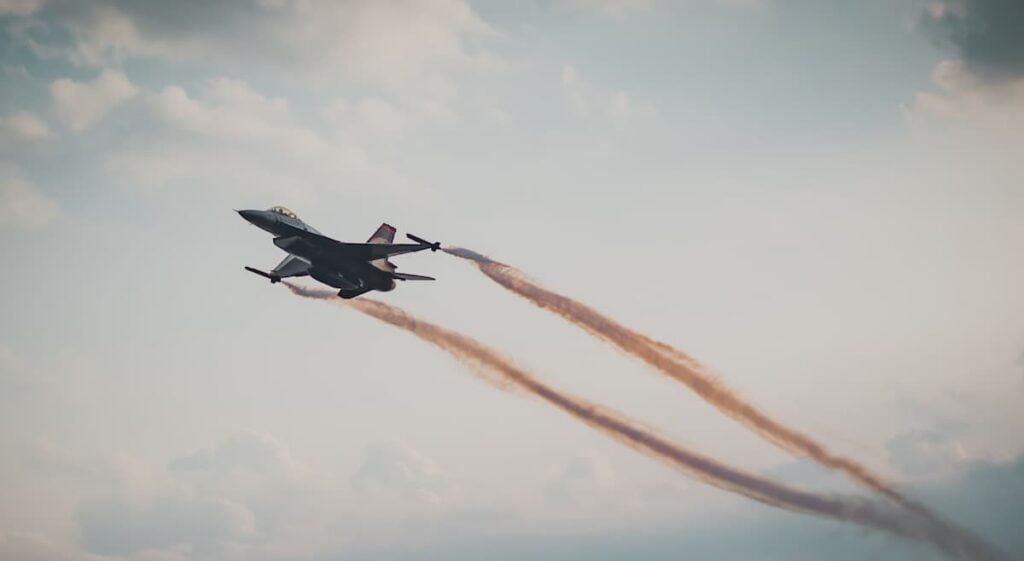
The strikes came after Washington said Iran had downed a US Army Apache helicopter over Gulf waters. The US reportedly targeted sites in Sirik, Jask, and Qeshm Island. Tehran condemned the attacks and later launched missile and drone strikes against what it described as US bases in Bahrain, Jordan and Kuwait.
Iranian officials warned that the destruction of the reservoirs had created a severe crisis for the region’s water network, adding that local groundwater supplies were insufficient to compensate for the loss.
Netizens Question Legality of the Strike
Reaction over on Reddit’s r/worldnews community quickly focused on international humanitarian law and whether the reservoirs were deliberately targeted.
One of the most upvoted comments argued: “If true, and if this was intentional, that’s just a plain and simple war crime. The Geneva Convention prohibits targeting necessary civilian infrastructure, which includes water reservoirs.”
That sentiment was echoed throughout the discussion. Another highly rated comment bluntly declared, “Back in my day we called these war crimes,” while others posted remarks such as “War Crimes Wednesday” and “Operation epic warcrime.”
Several users questioned how a water reservoir could have been struck accidentally by Washington DC.
“I’m thinking how can you bomb a reservoir by mistake,” one commenter wrote in response to discussions about intent. Another added: “For what exactly could you possibly mistake a water reservoir? All you have to do is simply look at an ordinary map and there is no doubt on what that is.”
Under international humanitarian law, civilian infrastructure is generally protected from attack unless it is being used for military purposes. Water installations receive additional protection because of their importance to civilian survival. However, determining whether a strike violates the laws of war depends heavily on facts that are often unclear in the immediate aftermath of military operations.
Not all commenters accepted the claims at face value. Some cautioned that the information currently originates from Iranian state media and should be independently verified before drawing conclusions about what happened and why the reservoirs were hit.
Others focused on the strategic consequences rather than the legal questions. One popular comment warned that attacks on essential services could create long-term instability and resentment, arguing that such actions risk generating “a new generation of radicals.”
Another user raised concerns about escalation, calling the destruction of water infrastructure “the exact catastrophic escalation type event.”
With few verified details available beyond the initial reports, the debate online has become less about what happened and more about a question many observers believe now demands an answer: were the reservoirs intentionally targeted by Washington DC, or were they collateral damage in a rapidly widening conflict?