

From cult classics like Dragon’s Crown to RPG hits like Unicorn Overlord, Vanillaware has spent decades building some of the most gorgeous hand-drawn 2D games in the industry. The only problem is that most of them are still trapped on consoles — which led to speculations over the years. Some gamers assumed the company simply wasn’t interested in PC gaming. Others turned it into full-blown rumors, claiming studio founder George Kamitani hated PC and didn’t want modders poking around his games. As it turns out, that may have never been the case.
James Mielke, co-founder of the BitSummit event, recently revealed that he met with Kamitani following the announcement of Muramasa: Revenant Blades remaster on June’s Nintendo Direct. Naturally, he asked the question many gamers have been wondering for years: why aren’t more Vanillaware games on PC? According to Mielke, Kamitani’s answer was surprisingly simple. He ‘totally wants to’ bring more games to the platform, but it all depends on publishers willing to fund them.
“Glad to see Muramasa coming to PC. I asked Vanillaware’s George Kamitani why he hasn’t put his other games on PC and he said he totally wants to, but it’s up to the publisher to finance the ports,” Mielke wrote on Bluesky while showing off several Kamitani-signed Vanillaware games. “So if you want 13 Sentinels, Dragon’s Crown, Unicorn Overlord, Odin Sphere etc. on PC, make some noise.”
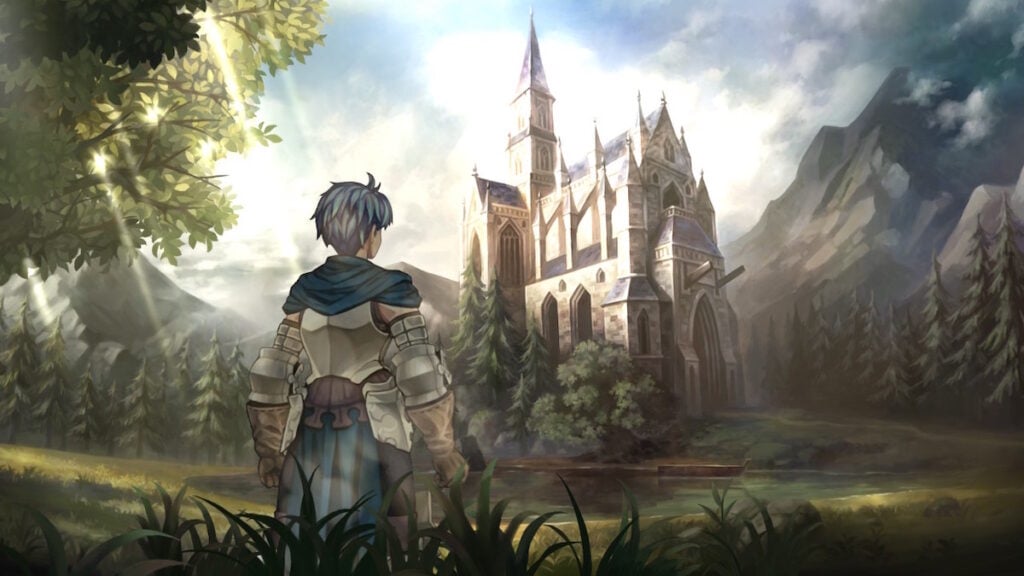
That definitely tells a very different story from the one many fans have believed for years. Part of the ‘myth’ likely escalated by comments from Atlus producer Akiyasu Yamamoto back in 2024. Speaking with Destructoid about Unicorn Overlord, Yamamoto explained that the game’s launch platform was limited by its publishing agreement with Vanillaware.
“As a publisher, we would like to deliver it to PC users as well, but per our agreement with Vanillaware, we are only releasing [Unicorn Overlord] on console,” said Yamamoto. At the time, many interpreted that statement as proof that Vanillaware itself was actively refusing to release the game on PC. But reading it now, it sounds more like both companies decided to skip the platform only for that specific game.
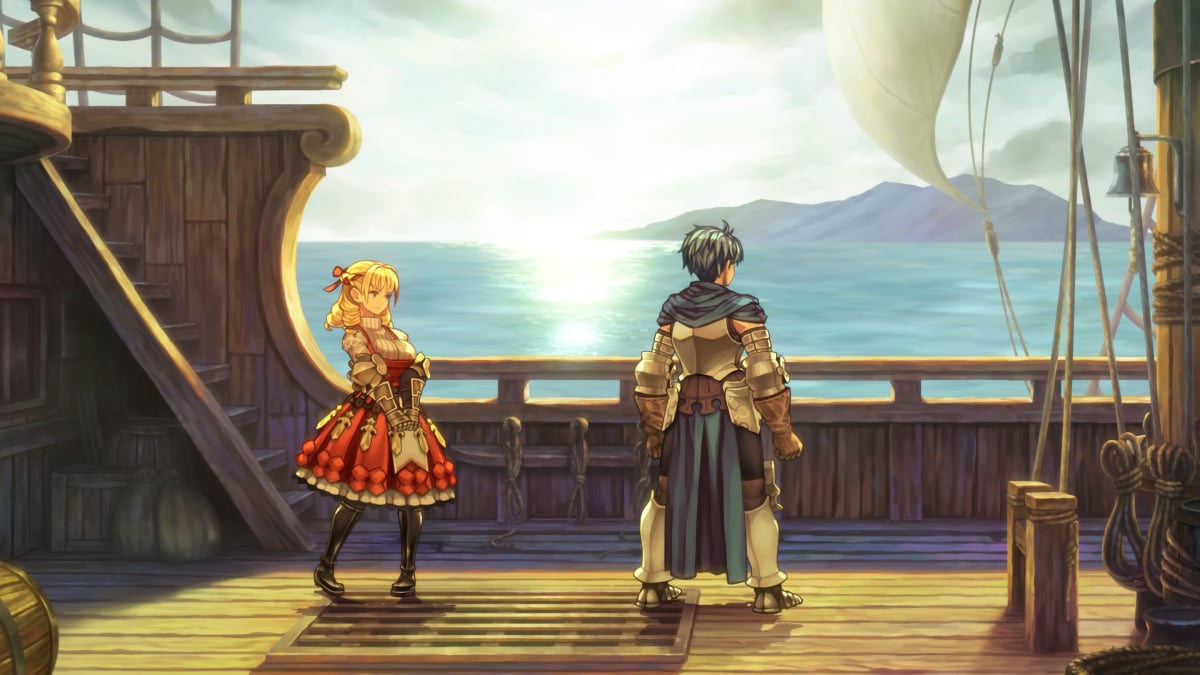
In a previous article on the subject, we also suggested that the whole thing probably came down to money. It’s not surprising, considering its painstaking hand-drawn art style isn’t cheap or quick to produce. While its games are critically acclaimed, they aren’t exactly blockbuster sellers either. Unicorn Overlord, for example, took seven months to reach one million copies sold and became the studio’s fastest-selling game.
If Mielke’s comments are anything to go by, we might have been… right on the money. And if Muramasa: Revenant Blades finds success on Steam when it launches in 2027, no doubt that the studio’s back catalogue could follow.