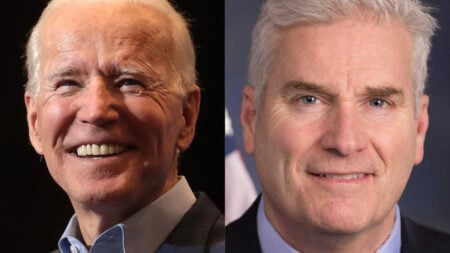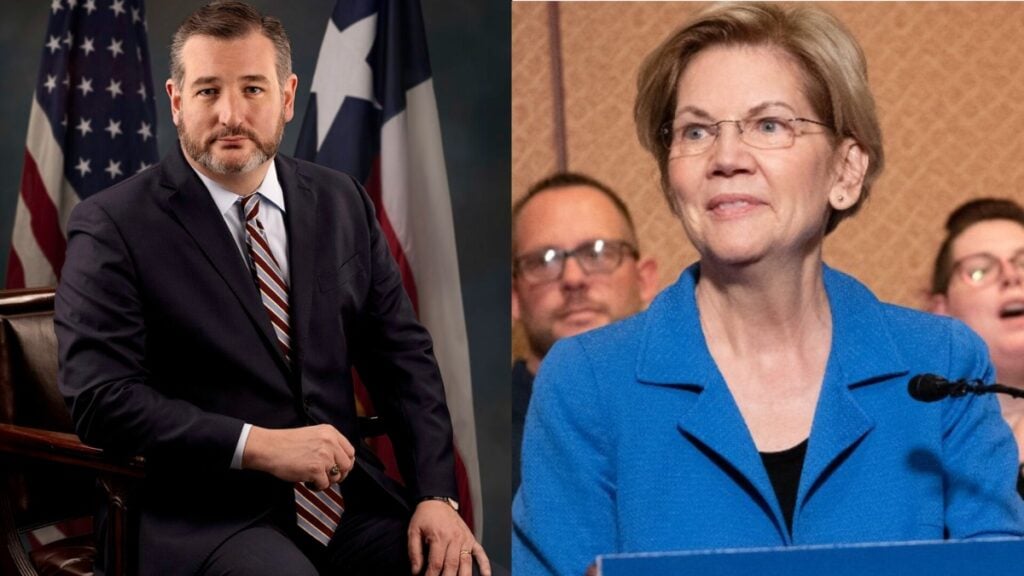
Texas Sen. Ted Cruz posted on X, blasting Massachusetts Sen. Elizabeth Warren. He accused her of pushing Marxist policies to control people’s wealth and said she mostly creates millionaires out of left-wing NGOs that live off government money. Cruz contrasted that with Elon Musk’s success building companies and plugged his latest podcast episode. The post quickly sparked many comments online, with some backing his take on capitalism and others telling him to focus on passing bills instead.
In the clip from his Verdict podcast, Cruz says Marxists like Warren want to control you and your wealth. He contrasts that with Elon Musk, who built company after company from scratch without government handouts. Cruz points out that SpaceX created more than 4,400 millionaires in one week, while the only millionaires Warren has made are left-wing NGOs and progressives cashing in on the government policies she pushes.
Cruz’s remarks reference Warren’s long tenure in government and promote his recent podcast episode on capitalism and leftist reactions.
Reactions Pour in After Cruz Contrasts Warren with Elon Musk
Some users supported the critique of Warren and capitalism, with one commenter stating, “Socialists will never admit capitalism works. They don’t have the strength of character to admit they’re wrong.”
Another noted, “Elizabeth Warren has spent 30 years in government telling you capitalism is rigged while making herself a millionaire on a government salary. Elon Musk built rockets, electric cars, and satellite internet from scratch.”
Others questioned the focus of the post. One user wrote, “Stop telling us the blatantly obvious. How about raising issues like pro forma sessions blocking Trump… You are a US Senator. Act like a leader.”
Another called it “Another Low Hanging Fruit guy! Master of Thee Obvious,” urging action on the SAVE Act and challenging Senate leadership.
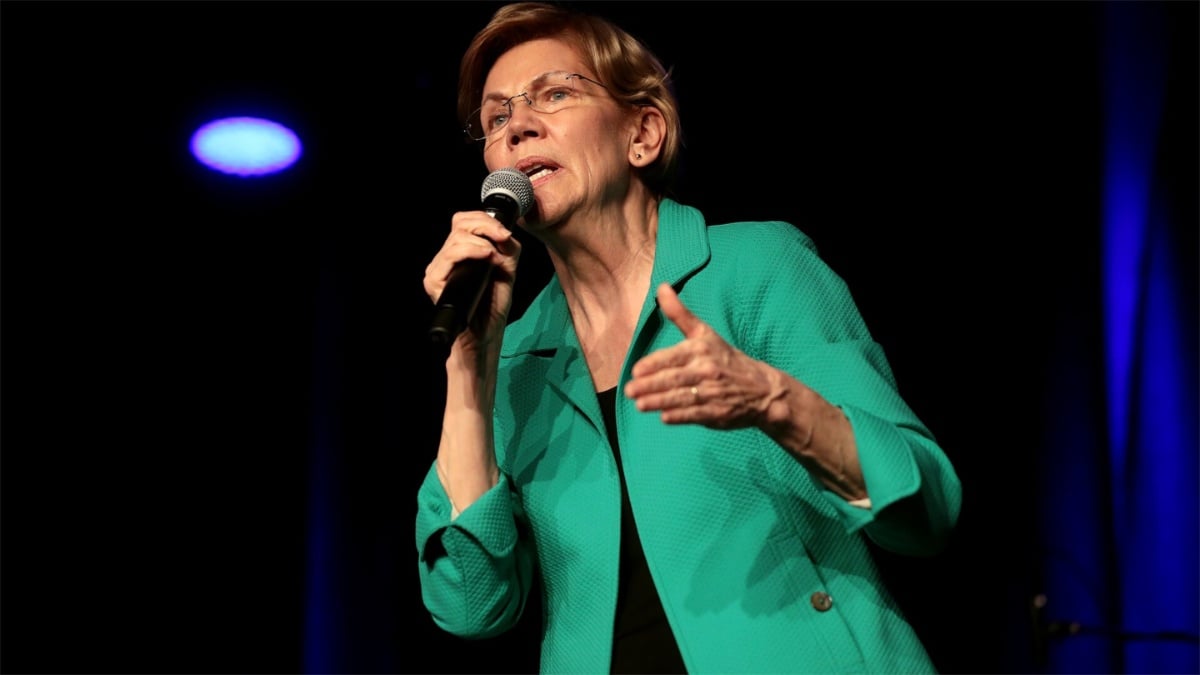
Additional comments highlighted the wealth contrast, asking, “We know how Elon became a trillionaire. How did Warren become a millionaire?”
The post continues to fuel discussion on X about economic policy approaches and the roles of elected officials. It adds another voice to the ongoing national debate over capitalism, government power, and political priorities.