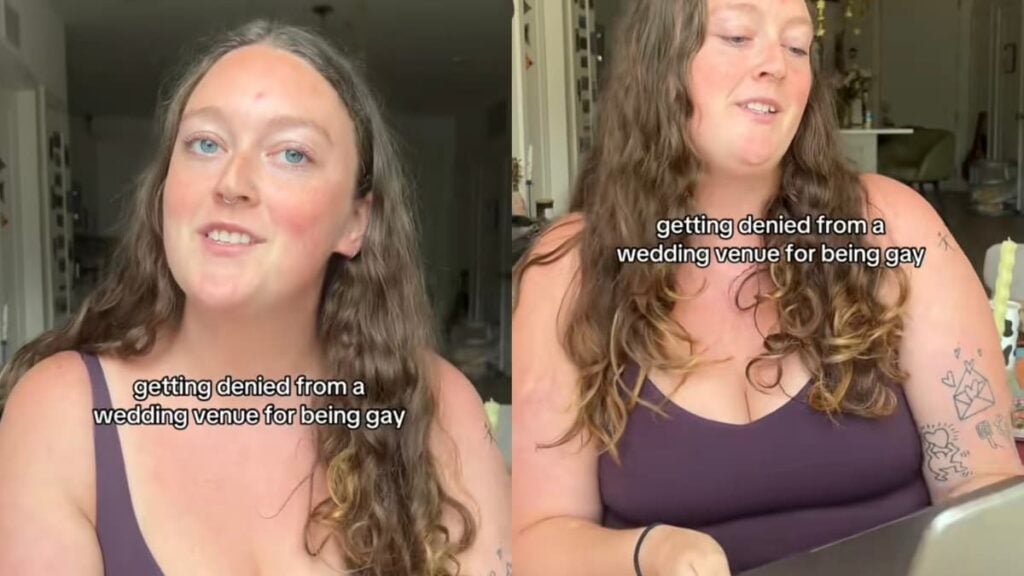
A lesbian couple says a Christian wedding venue in North Carolina refused to host their wedding after learning they were a same-sex couple, citing its religious belief that marriage is between one man and one woman.
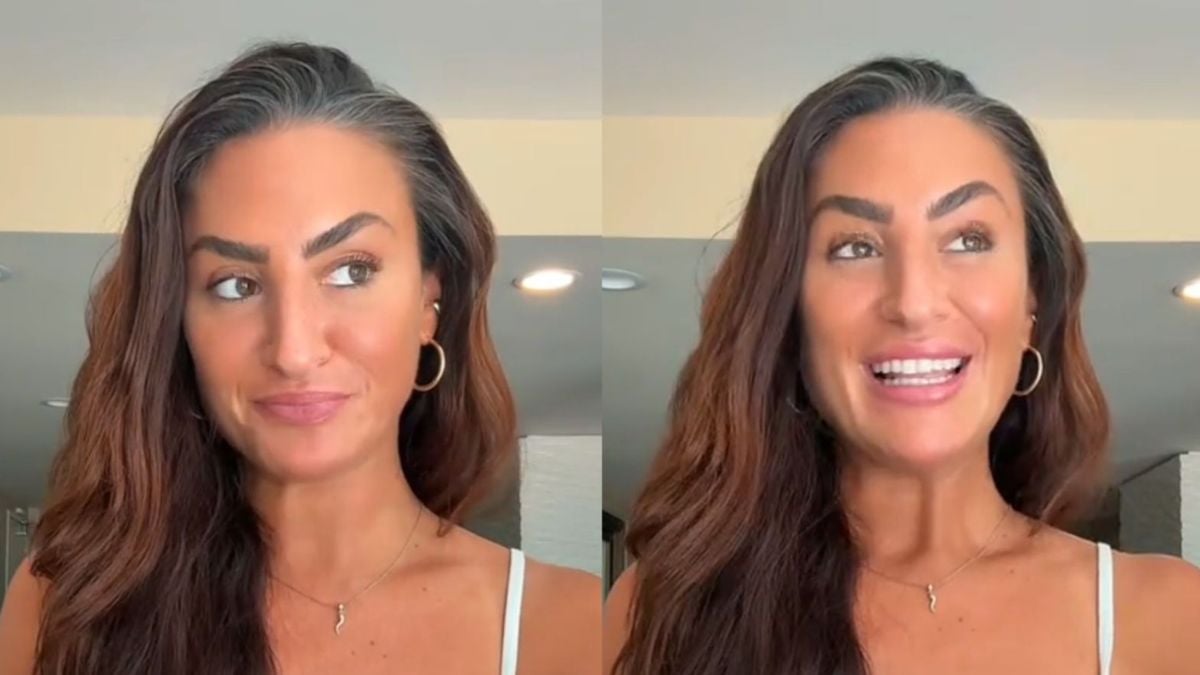
One of the women shared a video describing what happened. She explained that she and her fiancée had always dreamed of getting married in North Carolina and said they had generally had positive experiences as a queer couple in the state.
After searching for a location, the couple found a venue they believed met their needs and scheduled a tour. According to the woman, staff had been helpful throughout the process until she emailed about an hour before the appointment to disclose that she and her fiancée were a same-sex couple.
About an hour before the scheduled tour, the woman emailed the venue to let the staff know that she and her fiancée were a lesbian couple. She said she did so because the venue’s website did not mention whether it was LGBTQ+ inclusive. According to the woman, the venue responded by saying it would not be able to host their wedding because they were a same sex couple.
According to the woman, the venue responded with an email stating: “As a Christian faith-based business, our venue operates according to our sincerely held biblical beliefs regarding marriage,” the response stated. “Because of those beliefs, we are only able to host wedding ceremonies and celebrations that align with our understanding of marriage as a covenant between one man and one woman.”
The venue said its decision was based on religious convictions rather than an intention to be disrespectful and wished the couple well.
“It felt like a slap in the face,” the woman said in response to the venue’s email. She also described the message as “hateful.” She questioned whether, if the venue was relying on its Christian beliefs, it also screened heterosexual couples to determine whether they had engaged in premarital sexual relationships. Although she said the experience was disappointing, she acknowledged that people are entitled to their own religious beliefs. In a comment beneath the video, the woman identified the business as Secret Garden Estate. TNS has not independently confirmed that the email shown in the video came from the venue.
The legal questions surrounding such refusals can be complicated. North Carolina does not have a comprehensive statewide public-accommodations law prohibiting discrimination based on sexual orientation. At the same time, First Amendment protections can come into play when wedding-related services involve expressive activity. In 2023, the U.S. Supreme Court ruled that Colorado could not require a wedding website designer to create expressive content that conflicted with her beliefs about same-sex marriage. However, that ruling did not establish a blanket right for all businesses to refuse service to same-sex couples.
North Carolina Wedding Venue’s Same-Sex Marriage Policy Divides Viewers
The video sparked reactions online. Viewers were divided over the incident, with some supporting the North Carolina wedding venue and others siding with the couple. Those who supported the two women argued that no venue should refuse to host a wedding because of a couple’s sexual orientation. “I think heterosexual couples should be screening their venues for inclusivity as well. I wouldn’t get married at a venue that wouldn’t marry EVERYONE. It’s disgusting!” one person wrote. Another commenter said, “Christians love to cherry pick which of their ‘rules’ to abide by.”
Others defended the venue, arguing that it had the right to make decisions based on its stated religious beliefs. “Their business, their choice,” one person wrote. Another commenter said, “Their response was actually incredibly kind and respectful. They have morals and values that should be respected and honored, just like you ask for that in different ways.” Not everyone agreed with that view, however. “That response was incredibly hateful. What are you talking about?” another person replied.
For the couple, the debate became personal when a venue they were preparing to tour told them their wedding did not align with its religious beliefs. Online, however, the disagreement quickly became much bigger than one North Carolina wedding venue, with viewers debating where a business owner’s religious convictions end and a same-sex couple’s expectation of equal treatment begins.