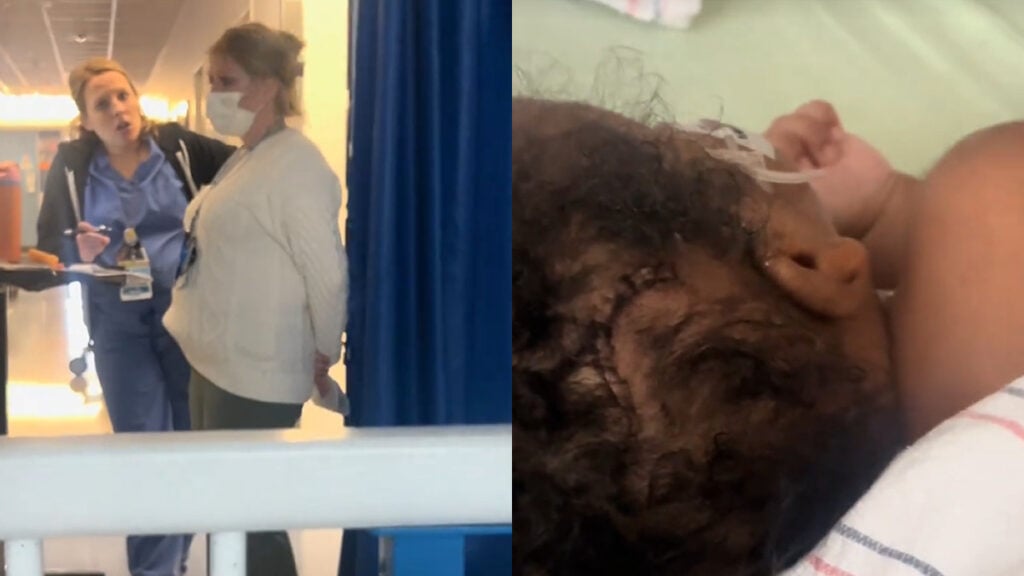
One Pennsylvania mother is speaking out about an upsetting experience at Penn State Health Golisano Children’s Hospital in Hershey, where she says a doctor refused to give her son stronger pain medication after brain surgery. The mother said her son was in severe pain and crying, leading her to question why his pain was not being treated. She later accused the doctor of racist treatment.
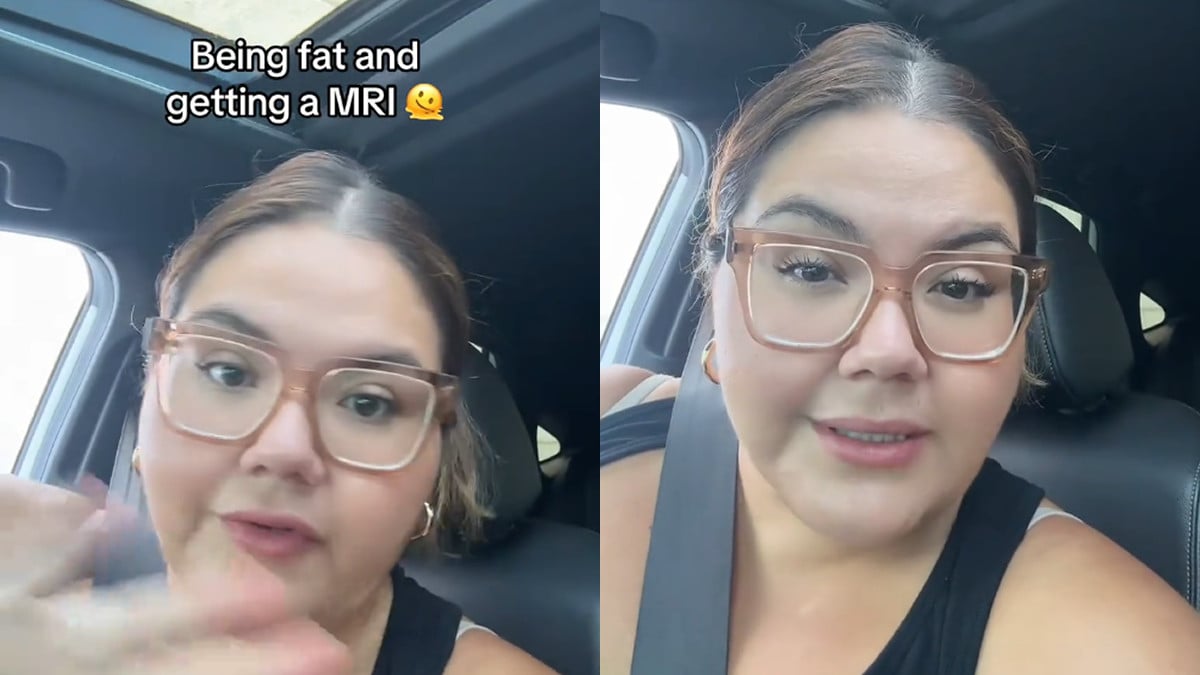
The story was shared on TikTok by the mother, who uses the username Saffyy_saff. The video received hundreds of thousands of views and sparked a large discussion about pain management after brain surgery, especially in young children.
The mother said her son had undergone a VP shunt placement for hydrocephalus just hours before the incident. She claimed one doctor refused to provide narcotic pain medication even though her son was in significant discomfort.
According to the Pennsylvania mother, another doctor, who was wearing scrubs, apologized and placed orders for pain medication. She said the first doctor then approached the other doctor and tried to convince her to remove the orders. The mother said the second doctor refused to back down.
She shared the video to raise awareness about what she believed was racist treatment and said she wanted doctors to be held accountable. She also explained that the video was recorded several months earlier but that she decided to share it because she believed other families had experienced similar situations.
Pennsylvania Mother Sparks Divided Reactions
The video received a mixed reaction. Some viewers were immediately angry and encouraged the mother to keep advocating for her son, contact hospital administrators and file complaints. While some viewers continued to accuse the doctor of racism or mistreatment, others said the available information did not prove that race played a role.
Several urged people to consider the medical reasons for limiting narcotics before judging the doctors involved. “Refusing pain medication for a baby is mind-boggling. You can’t make me believe they are not racist,” one user wrote.
However, several viewers who identified themselves as pediatric or neurological nurses offered a different perspective. They explained that doctors may avoid or limit narcotics after brain surgery because the medication can cause drowsiness, slow breathing and make it harder to notice changes in a child’s neurological condition.
One pediatric ICU nurse said children recovering from brain surgery are often given Tylenol and ibuprofen on a regular schedule, while some doctors may use a small amount of morphine when necessary. Another nurse who worked in a neuro ICU said narcotics were rarely used after brain surgery because they could interfere with neurological assessments.
The Pennsylvania mother later clarified that her son eventually received fentanyl after she called for a hospital supervisor. She also said several attorneys declined to take her case because her son did not suffer long-term damage and they viewed the dispute as a disagreement over his aftercare.
What started as a painful hospital experience in Pennsylvania quickly became a much bigger debate over pain relief, brain surgery and how much parents should know before treatment.