Internet users are calling out California-based golf brand Callaway after the company released an advertisement that some people accused of promoting violence against women.
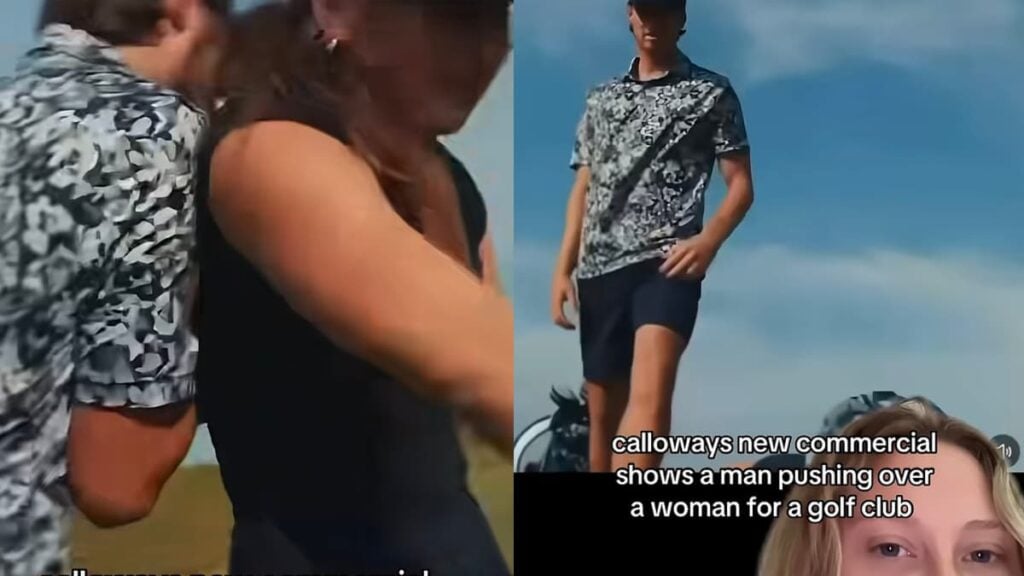
The controversy centered on an advertisement created by golf-content company Good Good as part of its collaboration with Callaway. The ad promoted a special Good Good-branded Callaway Quantum driver and showed Good Good co-founder Garrett Clark rushing toward fellow member Alexis Miestowski as she reached into a golf bag for the club. Clark then shoved Miestowski to the ground, stood over her and said, “Do not touch my new driver.”
The advertisement appeared intended to portray the driver as being so valuable that Clark would go to extreme lengths to protect it. However, it quickly faced backlash from viewers who felt that using a man pushing a woman to the ground as part of the joke made light of violence against women. Good Good later removed the advertisement and apologized, while Callaway expressed disappointment with the content and reaffirmed its commitment to promoting a more inclusive environment in golf.
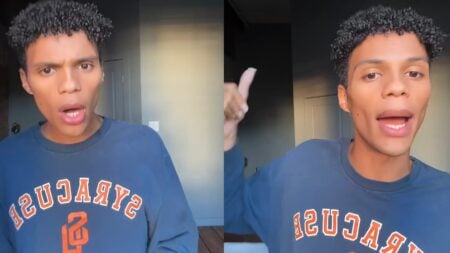
Viewers quickly criticized the Callaway advertisement on social media. One TikTok user shared a video showing the deleted ad, including the moment when the woman was pushed to the ground. The user argued that the advertisement appeared to promote domestic violence at golf events. After showing the ad, she asked, “Who the hell approved this video?” She then criticized the brand for releasing such an advertisement at a time when violence against women remains a serious concern.
Another female TikTok user also published a video criticizing the golf brand, accusing it of “highlighting domestic violence and hitting women to protect your golf clubs.” She then claimed that the brand removed the advertisement only after facing backlash. A third TikTok user shared a video highlighting the advertisement and the controversy surrounding it. More users subsequently posted videos criticizing Callaway. They accused the company of promoting violence against women through the ad, while others expressed their outrage in the comments.
Callaway and Good Good Apologize
After facing significant backlash, both Good Good and Callaway apologized after the advertisement was removed. “We posted a video to our channels that ultimately depicted actions that are not aligned with our values as a brand. We have since taken that content down. And sincerely apologize. Good Good has always stood for making the game of golf more inclusive to all, and we will continue to ensure that is our mission moving forward,” the Good Good statement said, according to Golf.com.
A Callaway spokesperson also shared a statement with the website. “We are disappointed by the content that was posted, and are appreciative of Good Good for addressing this. We look forward to working together to ensure a more inclusive space in golf,” they said.
Viewers Slam California-Based Golf Brand Over Ad
The video sparked reactions online. Many viewers expressed outrage after seeing the California-based golf brand’s advertisement. Some also criticized the people involved in creating and approving the content. “Marketed for MAGA,” one person wrote. Another commenter claimed, “DV is the no 1 cause of injury in women 14-44.”

More people slammed the brand over the advertisement. Some argued that the decision to show a man pushing a woman was intentional. “Mind you, he could have shoved another man. It was intentional that they chose a woman,” one person wrote. Others said they would boycott Callaway, with another commenter saying, “Wow- female golfer here, getting ready to get new Calloway clubs. Umm, No, not now.” Someone else asked, “Not a single woman on the ad team? How did this get passed through?”
The advertisement sparked a broader conversation about how marketing campaigns can become controversial and generate backlash. This is even when companies may not intend to promote harmful messages. It also led to discussion about how depicting a man pushing a woman to the ground, even as part of a joke, could be interpreted by viewers as making light of or promoting violence against women.