
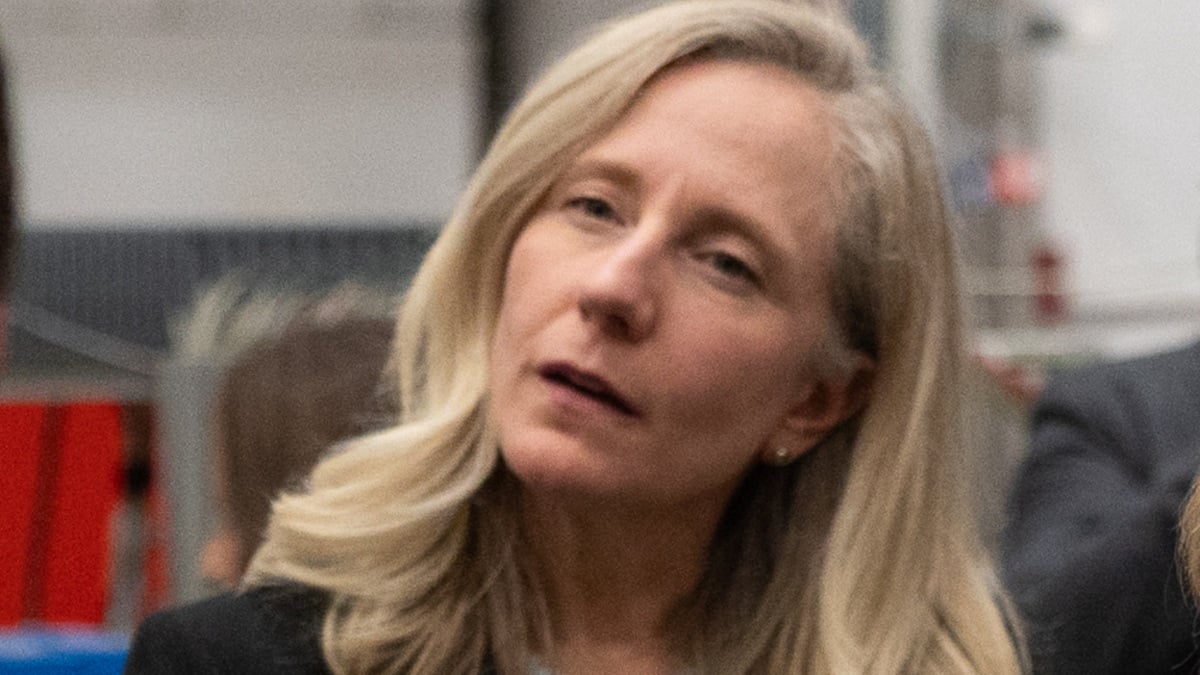
Virginia Gov. Abigail Spanberger announced that her administration has restored voting rights to 100,000 formerly incarcerated Virginians since she took office in January, allowing those who register to participate in upcoming elections.
Restoring these people’s voting rights met mixed reactions among Virginians, as residents divided over whether the move strengthened voting rights or went too far in restoring them to people with previous felony convictions who have been released from incarceration.
As reported by WSLS, Spanberger defended her actions, saying that “the right to vote is about more than a ballot — it is about whether we believe every person should have a voice in our democracy.”
Virginia is one of only three states that restrict voting rights for people who were previously convicted of felonies but have served their time. Under Virginia’s current constitution, people convicted of felonies lose their voting rights unless their civil rights are subsequently restored, with the governor holding broad authority over the restoration process.
This could change soon, however, as Virginians will vote on a constitutional amendment in November that would automatically restore voting rights to people convicted of felonies upon their release from incarceration.
Virginians Discuss Spanberger’s Recent Actions
Spanberger’s actions sparked mixed reactions on social media, leaving users divided in online discussions. Some locals reacted very strongly against the change: “Spanberger is a criminal and should be locked up! Her new tax laws are insane and she is getting paid off by special interest. Horrible person.”
Another commenter accused Spanberger of reducing penalties for certain offenders to make it easier for them to regain voting rights. However, the commenter did not provide evidence connecting those policies to the governor’s restoration announcement.
Some people even accused the Democrat of doing this to gain more votes from former prisoners. This view, however, was challenged by some users: “Former prisoners aren’t consistent democratic voters. Weird as heck to endorse removing rights from fellow citizens. Could be you one day.”
Despite the backlash, it was also possible to see genuine reactions of approval: “If they have served their time and are law-abiding citizens now then good for them. Welcome back to society.”
Even some voters who were skeptical of the governor liked the decision: “Finally she does something I can agree on! Thank you for giving a second chance to Virginians!” Other positive comments included: “Thank you, Governor! Remember, Democrats ENCOURAGE voter rights, and Republicans SUPPRESS them. Vote accordingly!”
The comments showcase how divided Virginians are on the subject, mirroring Spanberger’s current approval in the state, which remained at 54% in a recent survey. For now, Spanberger’s restorations affect 100,000 Virginians, but voters will soon decide whether future governors should retain such broad authority over the process. The constitutional amendment on November’s ballot would instead automatically restore voting rights after a person is released from incarceration.