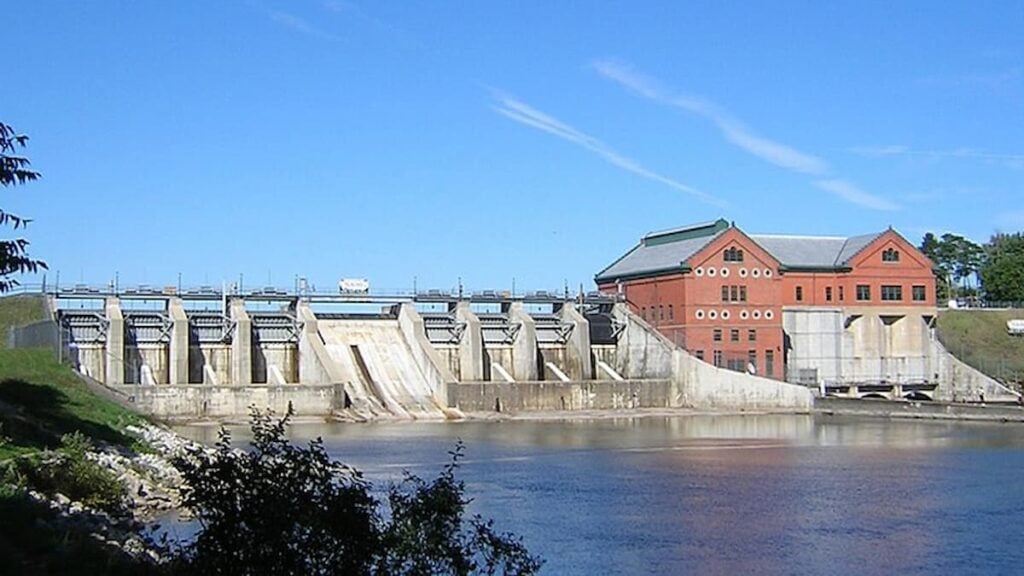
Michigan residents are raising concerns over the future of 13 hydroelectric dams as Consumers Energy looks to sell the facilities to a private equity-backed energy company. The proposed deal has sparked questions over who will ultimately be responsible for maintaining the dams and what private ownership could mean for the communities, waterways, and recreational areas that have grown around them.
According to the Michigan Advance, the proposed deal would see Consumers Energy sell the 13 dams to Hull Street Energy, a private equity firm that operates hydroelectric facilities through its subsidiary, Patriot Hydro. The sale still requires approval from the Michigan Public Service Commission, which has been hearing from residents as it considers what the change in ownership could mean for the dams and the communities surrounding them. Regulators are expected to make a decision on September 10, putting a firm deadline on a debate that has left many surrounding communities anxious about what comes next.
For the communities surrounding the dams, however, the proposed sale is about much more than who owns a piece of energy infrastructure. Residents have raised concerns about what a change in ownership could eventually mean for the lakes and waterways they live beside, as well as recreation, local businesses, property values, and the long-term maintenance of structures that have shaped their communities for generations.
The alternative may not be particularly appealing to residents, either. Consumers Energy has previously considered decommissioning the dams, meaning the debate isn’t simply about whether they should remain under the utility’s ownership or be sold to Hull Street Energy. If the proposed sale does not move forward, the long-term future of the facilities could still be uncertain, leaving communities caught between concerns over private equity ownership and what could happen if the dams are eventually retired.
Michigan Locals Voice Fears Over Future of 13 Dams
The proposed sale has prompted plenty of concern among Michigan residents online, with much of the criticism centered on the involvement of private equity. One person on r/Michigan went as far as arguing, “Selling something to private equity is the equivalent of signing a death warrant.” The remark was a broader criticism of private-equity ownership rather than a literal prediction about what will happen to the dams, but others shared similar concerns. “I hate PE more than most things and we cannot afford to have them take control,” another wrote.
Some commenters were particularly worried about what private ownership could mean for maintenance in the years ahead. “Oh no. When the dam requires maintenance private equity will just let it fail,” one person predicted, while another took a broader stance, insisting, “Infrastructure should never be privately owned.”
However, the discussion also highlighted the difficult alternative facing communities if the proposed sale doesn’t go ahead. One commenter who said they live near one of the affected dams and have attended meetings surrounding their future cautioned that residents may ultimately be faced with a choice between new ownership and losing the dams altogether. “If people don’t want the sale of the dams then they need to understand they are likely being decommissioned,”they wrote. “They can not have both.”

For the Michigan communities built around these waterways, there doesn’t appear to be an easy answer. The proposed sale has understandably raised questions about what private equity ownership could mean for the long-term future of the dams, but decommissioning could bring major changes of its own. With regulators still considering the deal, residents are making it clear that whatever happens next could have consequences stretching far beyond who ultimately owns the facilities.