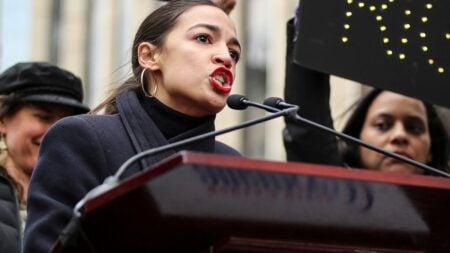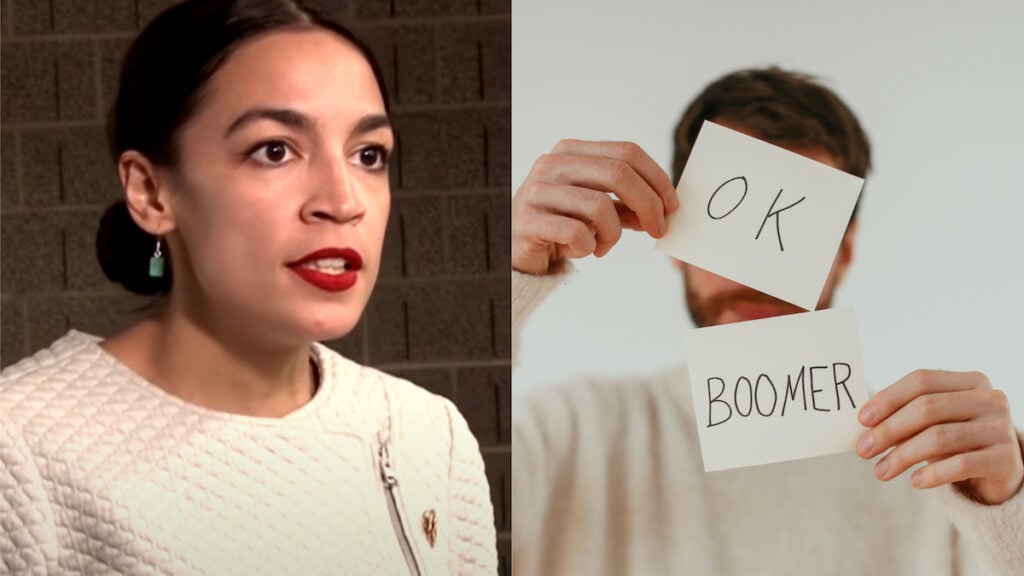
New York Rep. Alexandria Ocasio-Cortez argued that tuition-free public college is achievable because earlier generations had it. She said baby boomers benefited from tuition-free public colleges during the 1960s and 1970s. The Congresswoman also said public colleges began losing funding as they became racially integrated.
The video centers on her case for tuition-free public colleges and universities nationwide. She rejected criticism that the proposal amounts to an unrealistic or expensive progressive wish list. “This is literally what baby boomers gave themselves,” she said.
She added that public colleges were tuition-free during the 1960s and 1970s. From there, Ocasio-Cortez connected declining public funding to racial integration. She said institutions lost funding “when they started to get integrated racially integrated.”
The congresswoman presented that history as evidence that tuition-free public higher education is not unrealistic.
AOC’s Tuition-Free College Claim Draws Pushback From New York Boomers
The comments quickly became a generational dispute over who actually paid tuition and how widespread tuition-free public college was.
“Where was college free? Boomer here, first wave,” one user asked. “I went to the cheapest state college but I paid a fair amount to do it.”
Another response challenged AOC’s wording more directly: “My public college was NOT free.”
“I’m a boomer and college was not free, it was more affordable though,” another user wrote. A separate response was even more blunt: “I’m a baby boomer and I can tell you this is not true.”
Others said their experiences supported AOC’s broader point. “She’s correct. In Ohio, state government tax dollars covered 67% of my tuition & my three siblings’ tuition,” one user wrote. The same response added, “All 4 of us graduated from a state university tuition free.”
Another argued, “She was right! Public higher education was dramatically cheaper—and in some major systems effectively tuition-free for residents—during the era when many baby boomers attended college.”
The dispute now centers on how widespread tuition-free public college actually was. Questions also remain over how a nationwide program would be funded.