Rep. Haley Stevens is still defending the political gamble that stunned Michigan Democrats, but the reaction back home suggests many voters have little patience left for the explanation.
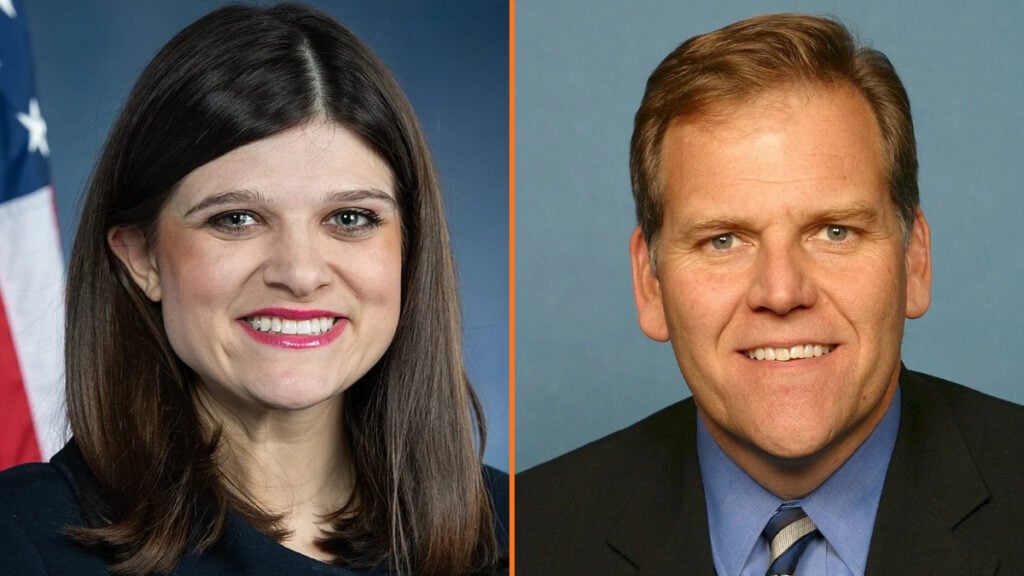
Stevens doubled down Wednesday on her endorsement of Republican Mike Rogers after Democrat Abdul El-Sayed defeated him in Michigan’s Senate race. Rogers received 45.48 percent of the vote compared with El-Sayed’s 52.52 percent, according to Decision Desk HQ figures cited by The Hill, leaving Stevens in the unusual position of defending a cross-party endorsement after the candidate she backed had already lost.
In a post on X, Stevens wrote that her beliefs were “never measured by who would win at the ballot box” and said she understood that her decision carried consequences. She added that she did not regret endorsing Rogers, although she apologized to colleagues and people close to her who had been upset by the move.
That defense has not stopped the mockery in Michigan. A discussion on the r/Michigan subreddit quickly filled with criticism, sarcasm, and predictions that Stevens had damaged her own standing far more than anyone else’s. The line that captured the tone most neatly came from a user who wrote: “This chick has the political instincts of an old shoe.” Another called the episode “a spectacular flameout,” while others simply argued that Stevens was now politically irrelevant in the state.
The endorsement is now bigger than the candidate she backed
Stevens’ endorsement was already extraordinary before Election Day. She backed Rogers just two days before the midterms, a move that shocked fellow Democrats and was followed by resignations from members of her staff. She then defended the decision during a tense CNN interview with Anderson Cooper and later told NewsNation that the choice had been “absolutely” worth it.
Her explanation has centered on antisemitism and her support for Israel. Stevens said she initially endorsed El-Sayed after the Democratic primary because party tradition called for supporting the nominee, but later regretted doing so. In her latest statement, she argued that “truth over political convenience” mattered more than falling back in line.
Stevens’ problem is that the political consequences are now impossible to separate from the principle she says motivated the decision. El-Sayed won, Rogers lost, and the endorsement did not merely fail to change the outcome. It gave Michigan Democrats a fresh reason to question Stevens’ judgment at the exact moment the party was closing ranks around its nominee.
The Reddit reaction makes that anger visible in unusually direct terms. Commenters joked about Stevens burning down her own career, suggested she had abandoned the Democratic Party in all but name, and mocked the idea that repeated defenses of the Rogers endorsement could somehow rehabilitate the decision.
Stevens appears determined to live with the consequences rather than soften her position. That may be principled in her own telling, but politics is also about timing, coalition-building and reading the electorate in front of you. After backing the losing Republican and alienating members of her own party, Michigan critics have already passed judgment on those instincts, and they aren’t being generous.