
Houston, Texas, just went viral while also sparking a debate about authority after changing how its police department cooperates with federal immigration authorities, allowing some undocumented immigrants to leave traffic stops without being reported to Immigration and Customs Enforcement (ICE).
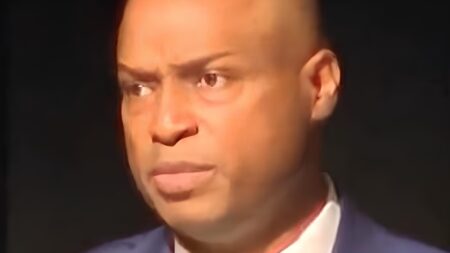
Mayor John Whitmire announced the policy change on Friday, November 6, signing an executive order directing Houston Police Department (HPD) officers not to contact ICE solely because someone has an administrative immigration warrant if they are not being arrested for a jailable offense.
The new rule means someone pulled over for a minor traffic violation could receive a citation and go about their day without police notifying federal immigration agents, even if an administrative ICE warrant exists. However, officers will still contact ICE when someone arrested for a jailable offense also has an administrative immigration warrant.
Whitmire said the decision was intended to ease tensions among immigrant communities while keeping police focused on public safety. “I do this to begin a healing process to reduce fear and anxiety across our community,” the mayor said.
The timing is also politically significant, coming days after Democrats flipped control of the Texas House and Gov.-elect Gina Hinojosa defeated Republican incumbent Greg Abbott. Whitmire said previous threats from Abbott’s administration to withhold millions in state funding had limited the city’s options. He also pointed to conversations with incoming state officials, who indicated that Senate Bill 4 would no longer be a priority.
The Decision Has Led to Debates
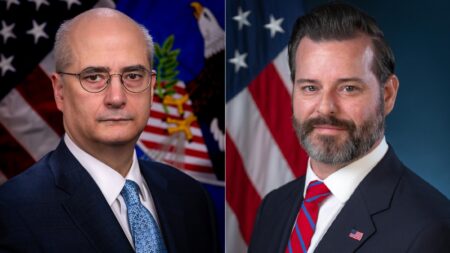
The law restricts sanctuary city policies and requires local law enforcement agencies to cooperate with certain federal immigration requests. Houston’s police union, however, isn’t celebrating the announcement. Union president Douglas Griffith said he was surprised by the decision and questioned why the city did not wait for the Texas Legislature to address the issue.
“I was a little stunned by it,” Griffith said, raising concerns about potential conflicts with state law and consequences for officers. Meanwhile, Immigrant advocates welcomed the move. Cesar Espinosa of FIEL, an organization that has pushed for limits on HPD’s cooperation with ICE, called it “a long time coming.”
Social media reactions were equally divided, with supporters and critics arguing over whether the change protects communities or undermines immigration enforcement. “Now the rest of Texas needs to follow this movement. [Expletive] ICE,” one commenter wrote. One supporter celebrated the policy shift with a swipe at the president, writing, “Trump is as weak as a fly.”

Another supported keeping local policing separate from federal immigration enforcement, arguing that “immigration enforcement is not in local PD job description.” Others were considerably less impressed. “The Dems protect illegal aliens over Americans,” one critic argued, while another warned that Houston could lose federal funding over the decision.
The policy took effect immediately, with Police Chief J. Noe Diaz saying officers across all shifts would receive repeated briefings during the following week. For now, the change does not grant undocumented immigrants immunity from immigration enforcement. It simply limits when Houston police must alert ICE during encounters that do not result in arrests for jailable offenses.