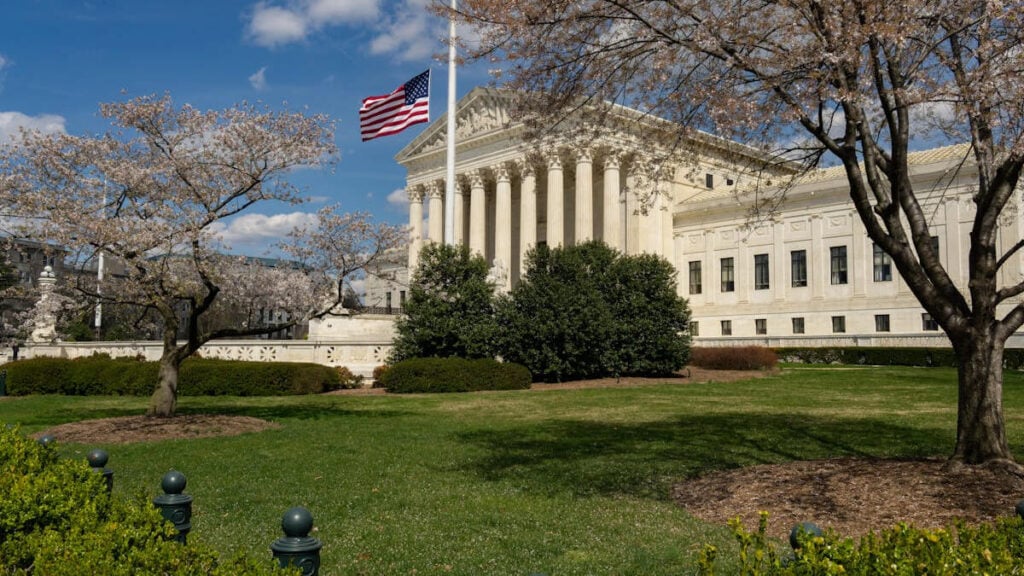
A federal judge in Mississippi canceled a scheduled trial, disqualified all four attorneys in a contract dispute, and imposed sanctions after determining lawyers for both sides submitted court filings containing AI-generated citations to nonexistent cases.
U.S. District Judge Sharion Aycock of the Northern District of Mississippi issued the sanctions order in a lawsuit between Louisiana attorney Tom Withers III and the City of Aberdeen over legal fees. The court found that filings submitted by both parties contained fabricated legal authorities that could not be verified.
The court identified multiple nonexistent cases in briefs filed by attorneys representing both Withers and the city. After issuing a show-cause order, the court received admissions from counsel that the citations resulted from unverified use of artificial intelligence tools.
At a January hearing, attorney Kathleen M. Wilson acknowledged using a generative AI drafting tool and failing to verify the legal authorities it produced. Attorney Kathryn Y. Williams admitted using an AI-assisted legal research tool and likewise failing to independently confirm its output before filing briefs. Local counsel Shauncey Hunter Ridgeway and Mark C. McClinton told the court they had not reviewed the filings despite allowing their signatures to appear on the documents.
Aycock found all four attorneys violated Rule 11 of the Federal Rules of Civil Procedure, writing that the obligation to verify legal authority cannot be outsourced to technology or delegated to co-counsel. The judge said attorneys who sign court filings retain responsibility for ensuring cited authorities are accurate and authentic.
The court revoked the pro hac vice admissions of Wilson and Williams, barred both attorneys from appearing before the Northern District of Mississippi for two years, and fined them $2,500 and $3,500 respectively. Ridgeway and McClinton were disqualified from the case and each ordered to pay a $1,000 fine. The court also directed that the matter be referred to the relevant state bar authorities.
AI Misuse by Lawyers Sparks Debate Over Professional Standards in Mississippi
The sanctions order also generated discussion about professional responsibility, verification standards, and the role of artificial intelligence in legal work.
Several responses focused on the burden placed on courts. One user wrote, “What an absolute waste of time and money in our already overstressed legal system,” while another questioned the attorneys’ conduct, writing, “How are these people not at least verifying hallucinated case law? Seems like the bare minimum effort they could put in.”
Others argued the issue was not the use of technology itself but the failure to review its output. One response stated, “AI can save a ton of time, but you still need to be the expert second opinion.” Another user wrote, “It just shows a basic failure to understand how to even use these tools.”
Some comments called for stronger penalties. One user wrote, “Take their licenses. Stop pussyfooting around with this,” while another argued, “Imagine paying thousands of dollars to an attorney, only to learn that they were just having ChatGPT draft your motions—something you could have done yourself, for free.”
The case comes as courts, bar associations, and law firms continue weighing how AI-generated work should be disclosed, reviewed, and regulated as its use expands across the legal profession. For many observers, the Mississippi dispute serves as a reminder that while AI tools can save time, the responsibility for verifying the accuracy of legal filings still rests with the attorneys who submit them.