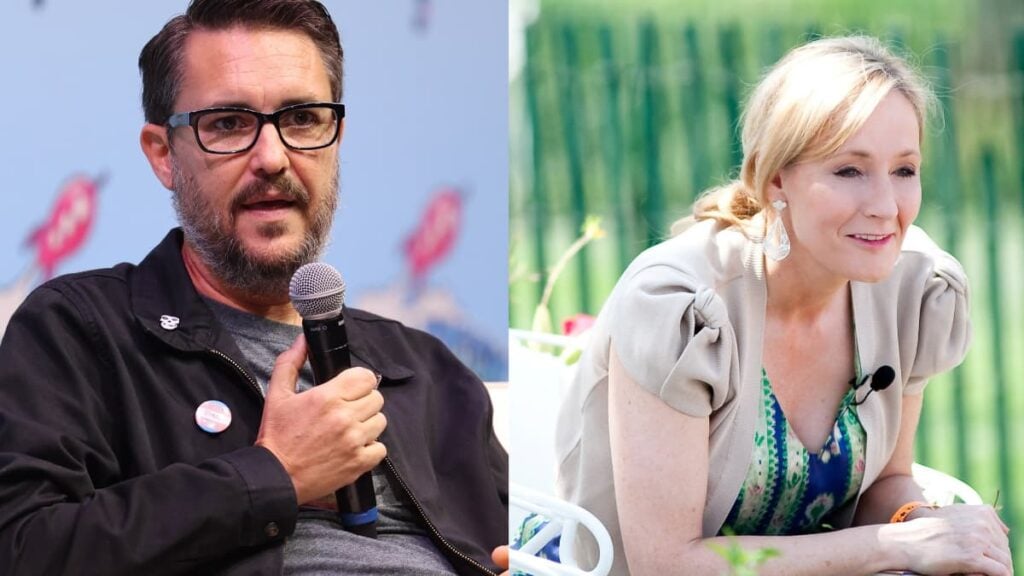
California actor Wil Wheaton is receiving praise online after announcing that he will not watch the new Harry Potter series in support of trans people.
Some people are boycotting J.K. Rowling’s Harry Potter books, films, games and upcoming HBO series because of her long-running public statements and activism concerning transgender people. Critics argue that purchasing or watching Harry Potter content financially supports Rowling, who remains involved with the new television adaptation as an executive producer, and therefore contributes to views and causes they believe are harmful to the transgender community.
For these fans, the issue is not necessarily that they no longer love the fictional world, but that they feel uncomfortable supporting a franchise whose creator has become closely associated with gender-critical views. The controversy has also extended to the new series, with some people calling for a boycott, while several individuals involved in the production have publicly distanced themselves from or disagreed with Rowling’s views. Others, however, argue that the books and adaptations can be separated from Rowling herself and continue to enjoy Harry Potter while disagreeing with her views.
Now, actor Wil Wheaton is planning to boycott the new Harry Potter series as well. In a post on Threads, an account asked, “Are we watching the new Harry Potter series?” Wheaton responded, “As so many have said, [expletive] no we aren’t, we are standing with trans people.” Fans online subsequently praised the actor for taking a stance in support of the trans community.
J.K. Rowling’s views have remained a major point of contention surrounding the Harry Potter franchise, particularly as debates over gender identity and transgender rights have continued. Her position has placed her at odds with transgender advocates and others who argue that her statements can be harmful to trans people, while Rowling has continued to defend her gender-critical perspective.
Critics have consequently described Rowling as transphobic and referred to her as a TERF, or “trans-exclusionary radical feminist,” a characterization she rejects. Rowling has denied being transphobic, saying that she supports trans people’s right to live safely and authentically while maintaining her belief that biological sex has important social and legal implications.
Wil Wheaton’s long career and connection to science fiction and pop culture have also shaped the reaction to his decision. Best known for playing Wesley Crusher on Star Trek: The Next Generation and Gordie Lachance in Stand by Me, Wheaton has remained a recognizable figure among fans of television, film and gaming. His later work as an author, host and tabletop gaming personality has further strengthened his connection with pop-culture communities. As a result, his decision to publicly reject the new Harry Potter series in support of trans people has drawn attention from fans who already follow his work and appreciate his willingness to speak on social issues.
Fans Praise California Actor Wil Wheaton Over Harry Potter Stance
After California actor Wil Wheaton’s stance against Harry Potter began circulating online, many fans praised him for publicly supporting trans people. “He’s a real one,” one person wrote. Another agreed, saying, “He is. Real friends don’t betray their trans friends (all trans people) by consuming HP garbage.” Someone else added, “I am a trans woman and a Trekkie. I love him.”
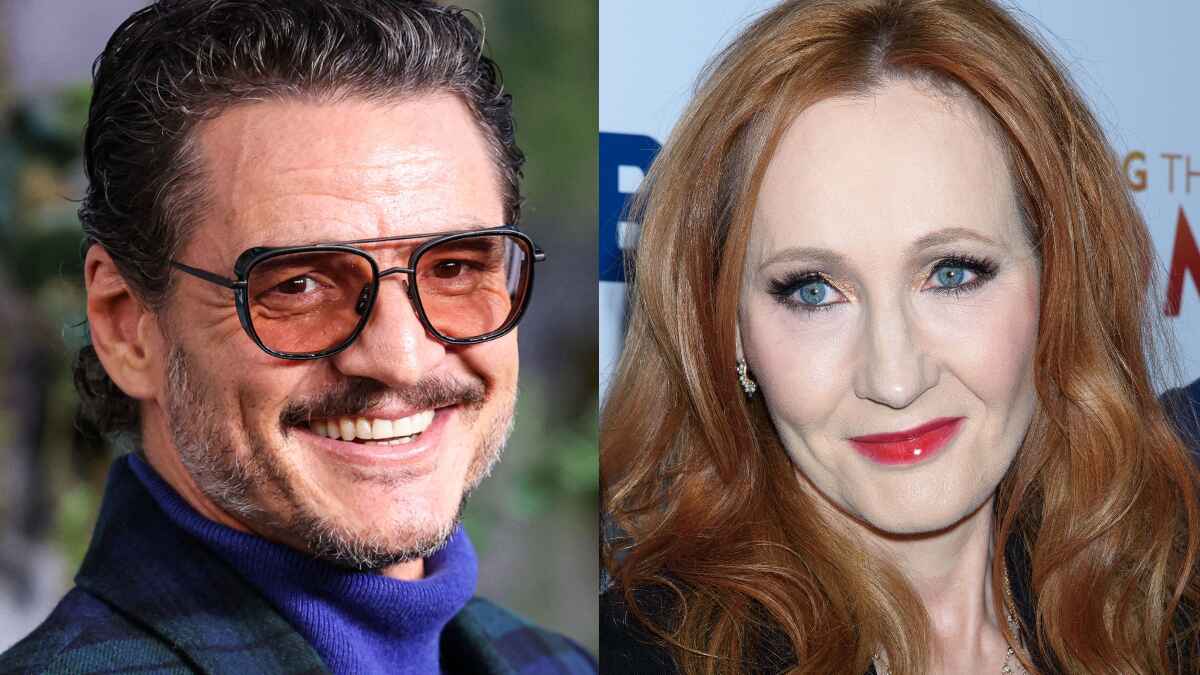
More people praised Wheaton while sharing that they would have otherwise considered watching the show despite their reservations. “It’s such a bummer bc I love HP and it’s such a huge part of my childhood that I have fond memories of but I refuse to give her any more of my money,” one person wrote. Another person said, “I feel bad for the cast (especially the kids) who are putting their all into this show. I’m conflicted because they’ve done nothing to deserve the ban but then I can’t support JK anymore.”
The actor’s stance on the new Harry Potter series sparked discussion about how J.K. Rowling’s views have left audiences divided. It also raised questions about whether people can separate creative works from their creators and continue consuming media made by controversial figures such as Rowling.