A proposed federal voting law is sparking sharp reactions across North Carolina, and not just from policymakers. On local online forums, residents are already debating what the SAVE Act could mean for everyday voters, largely in blunt and deeply personal terms.
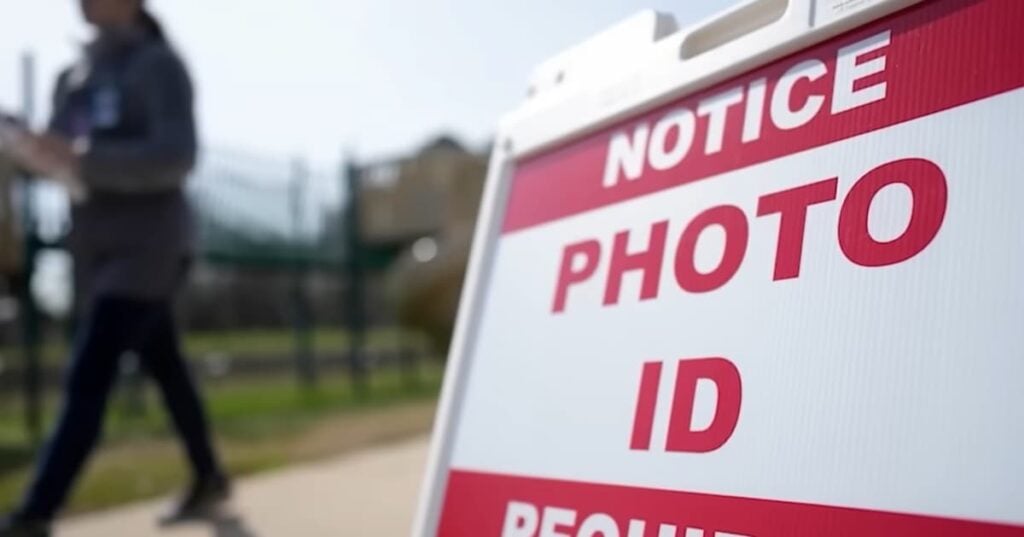
The Safeguard American Voter Eligibility, or SAVE Act, is a federal proposal that would require voters to provide proof of U.S. citizenship when registering for federal elections. That includes documents such as a passport or a combination of a birth certificate and government-issued ID. The bill would also shift registration largely to in-person verification, limit common methods like online and third-party registration drives, and require additional identification for mail-in voting. Supporters say it strengthens election security, while critics argue it adds new barriers for eligible voters.
One of the most common refrains is skepticism over the bill’s stated purpose. “The whole argument that non-citizens are voting is such a red herring,” one user wrote over in the North Carolina subreddit this week. Others were more blunt, with one commenter claiming, “When you can’t win legally, just cheat.” That kind of rhetoric points to a deeper distrust among some residents, who view the legislation not as election security but as a political strategy to reshape who can easily access the ballot. For those commenters, the concern is less about fraud and more about whether new rules could tilt the system by making voting harder for certain groups.
Other users in the very same thread frame the bill less as election security and more as a barrier. “It’s a Poll Tax,” another commenter stated flatly, echoing concerns that the cost of obtaining documents like passports could effectively limit access to the ballot. Several users pointed to the price tag and time commitment required to secure proper identification, especially for those who have never needed a passport before.
For some North Carolinians, the discussion is not theoretical. It is tied to real-life complications with documentation. One user described how mismatched records could create serious issues: “His driver license, social security card, every school record, every employment record all use his stepfather’s last name… and there is no piece of documentation that bridges that gap.” These kinds of scenarios highlight a recurring fear that even eligible voters could struggle to meet stricter requirements.
Name changes are another hot potato. While some commenters pushed back, noting that paperwork can be updated, others emphasized the effort involved. “Having $160 to spare, a day to fill-out paperwork… just to vote like you always have is an absolutely insane impediment,” one post read, capturing the frustration around what many see as unnecessary hurdles.
Even among critics, there is disagreement about how far the impact would go. Some believe the bill is unlikely to pass, with one user claiming it is “DOA in the Senate.” Others are less certain, warning that political pressure could still push it forward or lead to court battles.
What emerges from these discussions is ultimately anxiety about access. Whether the SAVE Act advances or stalls, many North Carolinians are already grappling with what it could mean for their ability to participate in elections.