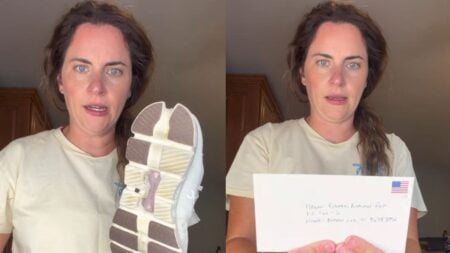
A woman in North Carolina drew widespread attention after sharing a video of herself intentionally triggering an allergic reaction by eating shellfish despite knowing she was allergic to it.
The woman filmed the video while sitting in her car with her daughter in the backseat. An order of shellfish was beside her as she said, “I’m so allergic to shellfish. I don’t care,” before taking a bite. She then revealed that she had parked outside a hospital because she planned to seek medical treatment after eating it. “When I finish, I’mma walk myself into the hospital and seek treatment,” she said.
She continued eating the shellfish despite acknowledging the risks. After taking several bites, she appeared to begin experiencing symptoms of an allergic reaction, including coughing. She then remarked that she couldn’t believe her body had decided to “turn on me after all these years.”
The allergic reaction appeared to develop quickly, as the woman seemed to struggle to speak at one point and reached for her neck. “I just had to have some today,” she said. She then turned the camera to show the hospital, revealing that she was parked directly outside the building. The video ended with her laughing. Throughout the clip, a child who appeared to be her daughter could be heard crying in the backseat.
A photo was also included alongside the video, showing the woman in what appeared to be a hospital room. In the image, her face appeared flushed and her lips looked swollen. This suggested that she may have been experiencing an allergic reaction. However, it has not been independently verified whether the photo was taken after the incident shown in the video or whether it is authentic.
The video also prompted discussions about the dangers of intentionally exposing yourself to a known allergen. Serious allergic reactions can become life-threatening within minutes if they are not treated promptly. A severe reaction, known as anaphylaxis, can cause symptoms such as difficulty breathing, swelling of the throat and tongue, a sudden drop in blood pressure, dizziness, and loss of consciousness. Even if previous reactions have been mild, future exposures can be much more severe and unpredictable.
Because of these risks, many people stressed the importance of taking food allergies seriously and avoiding known allergens rather than intentionally consuming them. They also noted that anyone experiencing signs of a severe allergic reaction should seek immediate medical attention. This is because prompt treatment can significantly reduce the risk of serious complications.
Viewers Shocked After North Carolina Woman Intentionally Gets Allergic Reaction
The video sparked reactions online. Many viewers said they were shocked that the North Carolina woman intentionally ate a food she knew she was allergic to. Some expressed concern that she had knowingly put herself at risk, especially with her child present. “Since she knows she is allergic to shellfish this is attempted suicide… she could have gone into shock right there with her child in the car.. she needs a mental health intervention and child placed in safer hands…,” one person wrote.
Another commenter said, “Having the video proving that she caused it herself, and did it on purpose, the insurance should say ‘no way are we paying this [expletive]’. If she doesn’t have the money, the hospital should immediately file law suit to withhold payment from any and all money she receives.”

More viewers criticized the woman’s actions and questioned her decision to intentionally eat something she knew she was allergic to. “She’s over there eating lobster that taxpayers paid for, then into the ER that taxpayers paid for….ugh. And here WE are, not eating lobster…and paying $1200 a month for health insurance,” one person wrote. Another commenter said, “These are the types of people that will harm their own child for attention.”
The video sparked a conversation about the importance of taking food allergies seriously. This is in addition to avoiding intentionally exposing yourself to known allergens because of the potentially life-threatening consequences. It also led to broader discussions about the emotional impact such situations can have on children. Many viewers expressed concern about how frightening it can be for a child to witness a parent experiencing a medical emergency.