
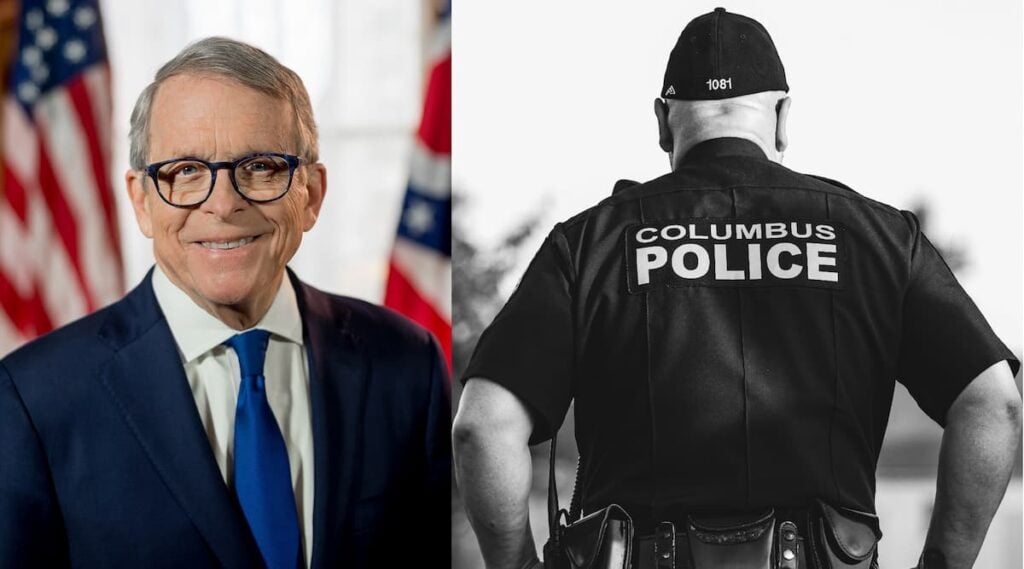
Ohio Gov. Mike DeWine is calling for lawmakers to rewrite the state’s rape kit testing law after more than 900 law enforcement agencies failed to report any rape kit results in 2025. But many Ohioans are wondering why the state is still dealing with this.
As reported by Fox8, DeWine said the current system is unclear and difficult for police departments to navigate, arguing Ohio needs rules that make both testing and reporting expectations unmistakable. He and Attorney General Andy Wilson are forming a working group expected to recommend legislative changes during the post-election lame-duck session.
That might sound like action. On an r/Columbus thread discussing the report, however, many commenters saw something very different: a problem Ohio has been talking about for years returning yet again.
One commenter delivered the sharpest verdict: “DeWine’s entire 2010 AG campaign centered on this very issue. Glad to see it only took him 16 years to get the ball rolling.”
The campaign history is more complicated than that line suggests, but rape-kit processing was indeed a major issue in DeWine’s 2010 attorney general race against Richard Cordray. Contemporary reporting shows DeWine repeatedly attacked delays at the state crime lab, including DNA evidence processing.
Ohio Has Been Here Before
DeWine also has a substantial record of acting on the backlog. After taking office as attorney general in 2011, he launched an initiative that ultimately tested 13,931 previously untested sexual assault kits. Those tests produced more than 5,000 DNA matches, while Ohio later adopted a law requiring kits connected to crimes to be submitted for testing within 30 days.
That history is precisely why the latest numbers have triggered such anger.
“Nice of him to ‘step in’ on his way out,” one Reddit user wrote, adding that they feared the intervention would produce little accountability. Another was even more direct: “If reporting is required departments should be held accountable for actually doing it.”
Senate Minority Leader Nickie Antonio has raised a similar concern from inside the Statehouse, saying clearer timeframes and consequences may be necessary. DeWine, meanwhile, says inconsistent interpretations of the existing law are part of the problem.
That leaves Ohio facing an uncomfortable repeat of a supposedly solved crisis. The first backlog produced new laws, thousands of tests and hundreds of prosecutions. Now the state is once again asking whether evidence is being handled properly.
For critics watching from Columbus, another promise to fix the rules is not the finish line. It is a reminder of how long Ohio has already been running this race.