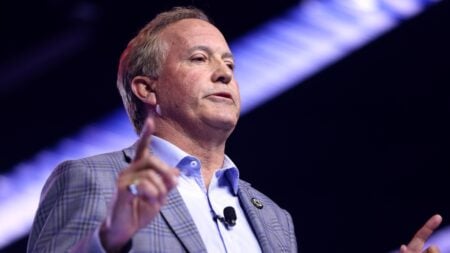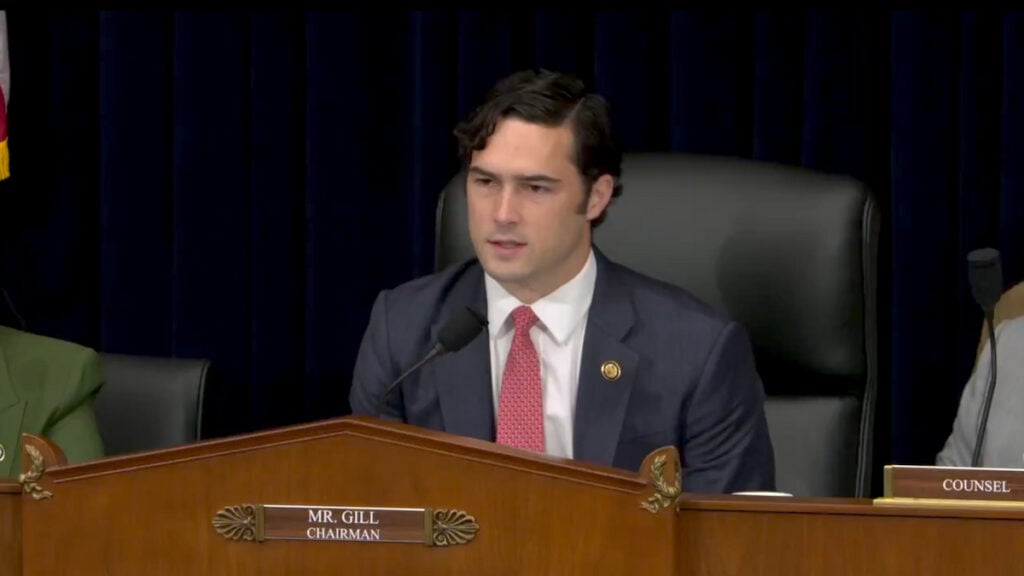
Texas Rep. Brandon Gill questioned American Bar Association President Michelle Behnke about her own implicit biases. The exchange occurred during a congressional hearing and drew attention after Gill repeatedly pressed Behnke for a direct answer. Gill based his questions on the ABA website’s statement that “all of us have implicit biases.”
Gill posted the video on X and repeated the ABA website’s claim in his caption.
Gill first asked whether Behnke agreed that everyone has implicit biases. Behnke answered by discussing the ABA’s diversity, equity, and inclusion efforts.
He repeated the question and said, “That’s not my question, ma’am.” Gill then asked whether she believed everyone had implicit biases.
Behnke did not give a yes-or-no answer. Gill asked, “Against which groups do you have implicit biases?”
Behnke said it was important to examine everyone’s point of view. Gill accused her of filibustering and repeated the question.
Behnke said she was speaking as ABA president. Gill then asked whether she had reflected on her own biases.
She said she constantly considers how she operates in the world. When Gill asked her to identify them, Behnke again answered on the ABA’s behalf.
She did not name any group in the video.
Texas Reacts to Brandon Gill’s Exchange With ABA President Michelle Behnke
The clip drew praise for Gill’s persistence and criticism of how he questioned Behnke.
One user wrote, “He takes their own words and asks simply for an explanation. And they refuse because they know they can’t defend what they write or believe.”
Another stated, “She should have just answered the question. She wouldn’t have sounded so stupid.”
A separate response said, “Great questions – so great, in fact, that she can’t (won’t) answer them. ‘The thing speaks for itself.’”
Another user argued, “To say that everyone has implicit biases on a business you lead, and being unwilling to express one of your own implicit biases, just goes to show it’s a convenient weaponization tool – more so when one doesn’t practice what they preach.”
Other Texas folks criticized Gill’s approach. One response stated, “When someone has to insist it’s a ‘yes or no’ question, it makes them look stubborn and ignorant.”
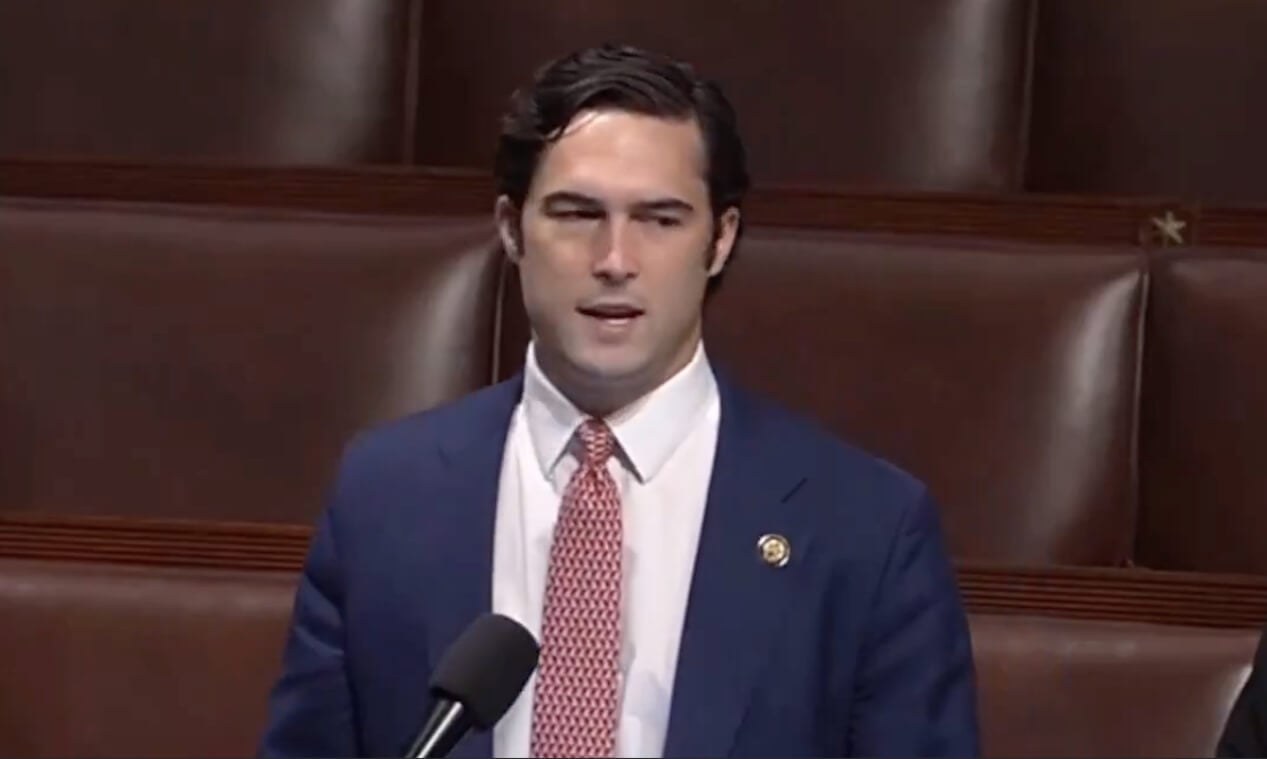
Another questioned, “Can you let her at least try to answer? It’s not that I agree with her, but when you keep cutting her off like a butthole, you’re not winning anyone over.”
The exchange left unresolved whether Behnke would identify any personal bias after speaking for the ABA.