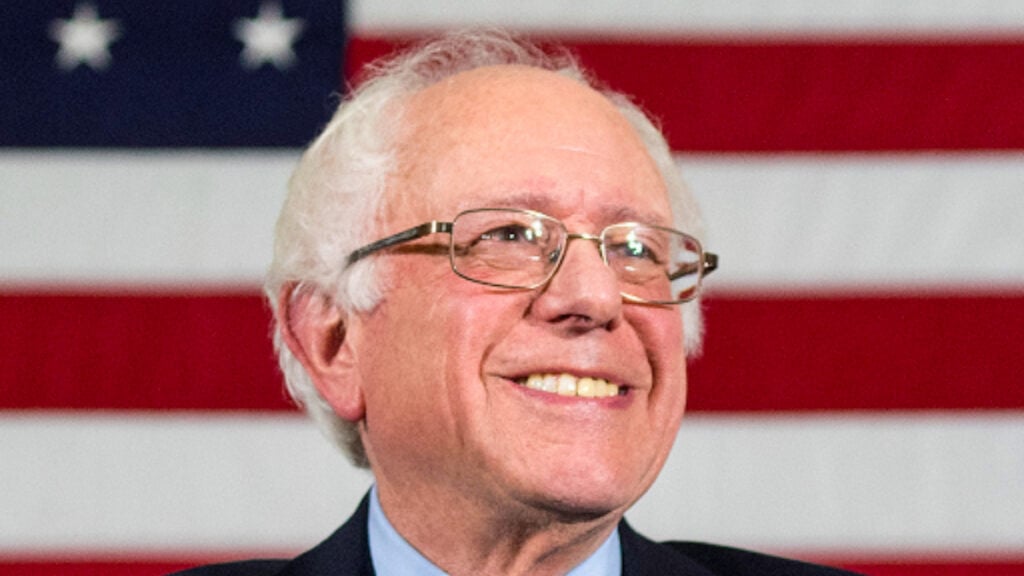
Vermont Senator Bernie Sanders introduced the Abolish Super PACs Act to federalize contribution limits. The legislation seeks to cap individual donations to $5,000 to end unlimited political expenditures. Sanders stated that the current government is moving toward becoming a “wholly-owned subsidiary of the oligarchs” while citizens struggle for basic necessities.
The bill directly challenges the 2010 Citizens United Supreme Court decision that allowed corporations and billionaires to pour unlimited funds into elections. Representative Lee joined the legislative effort to move toward the public funding of federal campaigns.
“The American political system is broken,” Sanders said while introducing the measure.
“We can have democracy in this country or we can have great wealth concentrated in the hands of a few but we cannot have both,” Sanders said. He stated the measure would end the era of unlimited spending and put power back into the hands of the people.
Representative Thomas Massie lost a primary election following $16 million in spending from special interest groups and donors.
Critics Condemn Billionaire Influence in Federal Elections
An online observer argued that among various institutional issues, “Citizens United is the core of the problem”. The commenter further stated that while many problems exist, “campaign finance reform is at the bottom of the house of cards”.
One participant questioned the purpose of the current system, asking “What even is the argument for super PACs other than to give ultra wealthy an out sized influence on elections?”.
“As long as unlimited money is allowed in elections, those elections will become less and less representative of the will of the people,” another individual noted.
The judicial system “[expletive] us when they threw out McCain-Feingold to create this mess,” a community member claimed. The post suggested that successful reform would require “a number of new justices to overturn Citizens United”.
A commenter predicted the legislation would be “Voted down by a majority of politicians bought out by Super PACS” before concluding that “America is cooked”.

One observer pushed back on the proposal, characterizing the debate as “a First Amendment issue”. The individual maintained that “Individuals can spend as much money as they want on political speech” and compared spending caps to government censorship of local political fliers.
The legal and legislative debate over billionaire spending in elections continues, with ongoing challenges testing the constitutional limits of political speech. Critics argue that large-scale financial influence can distort the democratic process, while supporters maintain that political spending is a protected form of expression under the First Amendment. As both sides continue to contest the issue, the question of how to balance free speech with fair elections remains unresolved.