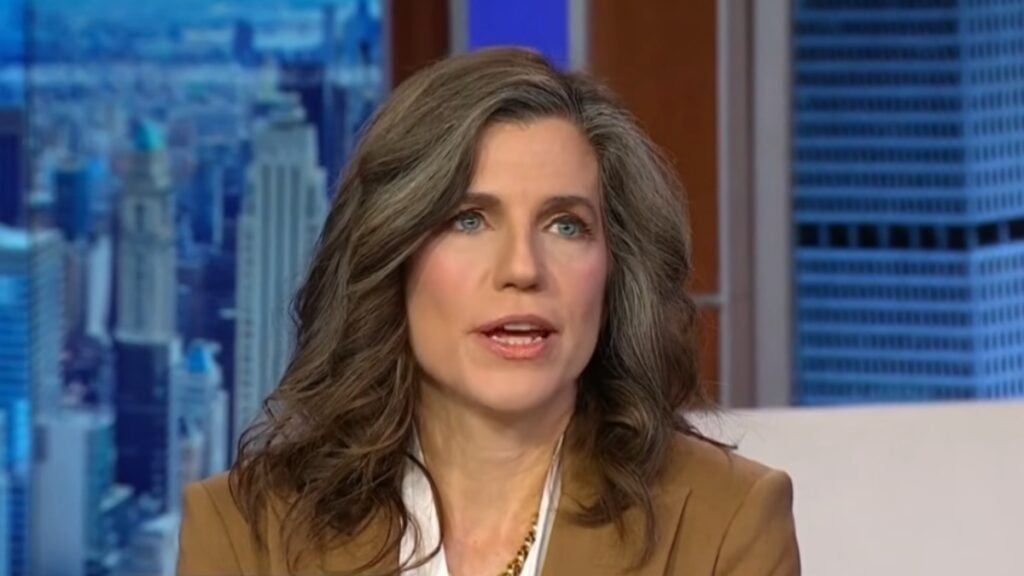
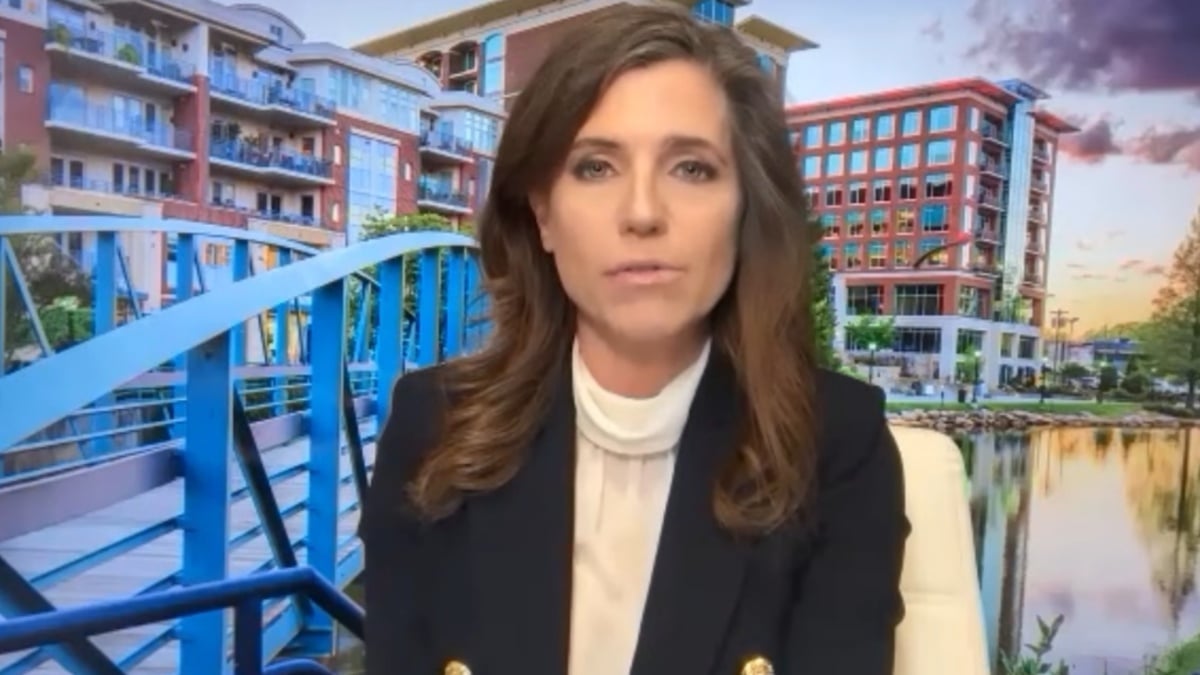
South Carolina Rep. Nancy Mace has introduced a joint resolution in Washington, D.C. that would require members of Congress, federal judges, and top federal officers to be natural-born U.S. citizens. She announced the proposal in a post on X, and it’s already stirring up plenty of discussion online about who should be allowed to serve in key government roles.
The post names three Democratic members of Congress born outside the United States — Reps. Ilhan Omar, Shri Thanedar, and Pramila Jayapal and states they were not citizens by birth. She goes on to announce that she has introduced a joint resolution proposing a constitutional amendment.
The change would require members of Congress, federal judges, and Senate-confirmed officers to be natural-born citizens, matching the existing standard for president and vice president. The post includes an image graphic emphasising “Natural Born Citizens Only to Serve in the United States Government.”
Reactions to South Carolina Rep. Nancy Mace’s Proposal
Many commenters voiced strong support for the idea. One wrote, “Good idea. Let’s go all the way on being an independent country.” Another added, “Thank you for pushing this common-sense legislation. America needs to be governed by people born in America.”
A third user strongly agreed, writing: “I agree…. And the awful, most terrible things about these US Congress members is that their LOYALTY is not to AMERICA!!”
Others questioned the scope or pointed to omissions. One commenter asked,“Why did you leave out Ted Cruz?” Several noted other current members of Congress born abroad from both parties.
Additional responses focused on enforcement and specific lawmakers. One user commented, “Or, and hear me out: You could just enforce the laws already on the books! Start with low-hanging fruitcakes, like Ilhan Omar.”
A Minnesota-focused reply stated, “Once again, if you live in Minnesota. Try voting for Minnesotans, born in Minnesota.”
For the resolution to become law, it would require broad bipartisan support in Congress as well as ratification by three-fourths of the states. The proposal has continued to draw discussion on X, where users are debating both the practicality and implications of making changes to the Constitution through the amendment process.