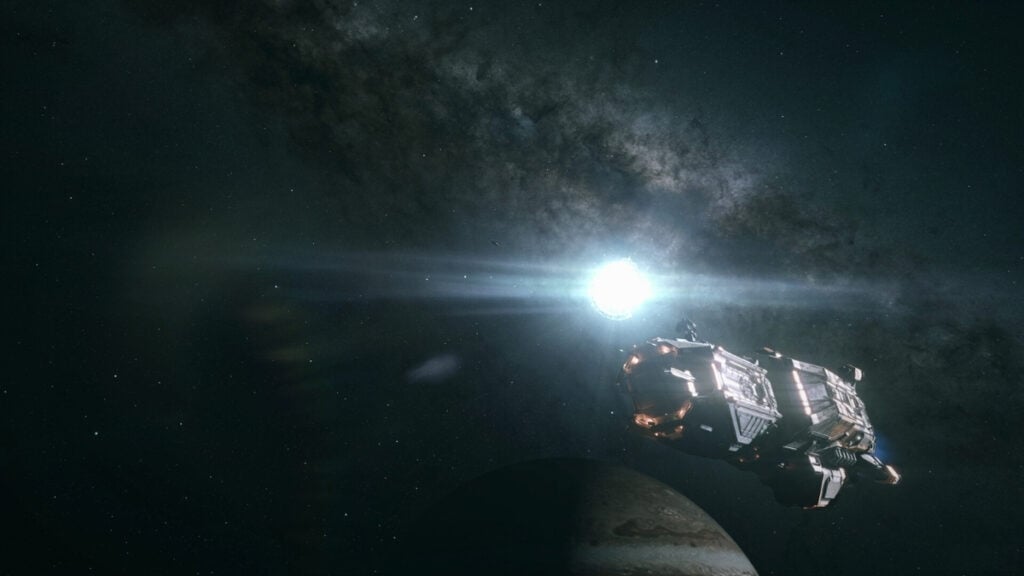
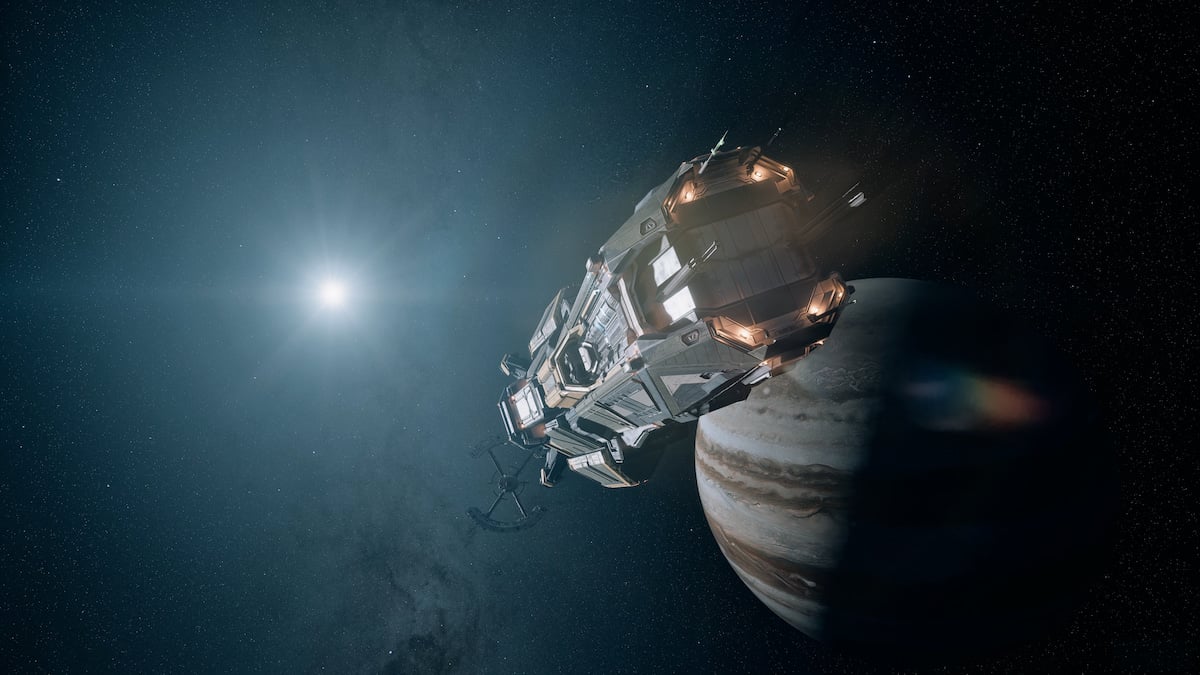
During my journey through gamescom, I had the pleasure of getting my very first hands-on preview of Owlcat Games’ The Expanse: Osiris Reborn, the studio’s first foray into the world of the novels turned popular television series. What’s even more interesting is that this will only be the second game attributed to the franchise since The Expanse: A Telltale Series in 2023.
I enjoyed 45 minutes of Osiris Reborn and walked away intrigued for more, but not for the reasons most people have been doing so: its comparison to BioWare’s Mass Effect franchise. I absolutely love the latter, and believe that few sci-fi games compare, though comparing the entire franchise to the bit I played feels a little insincere. However, I will definitely remark that Owlcat Games has taken the Mass Effect model to new heights so that fans who can’t or never have enjoyed the latter will be able to experience something even more refined in Osiris Reborn.
Choices Without the Training Wheels
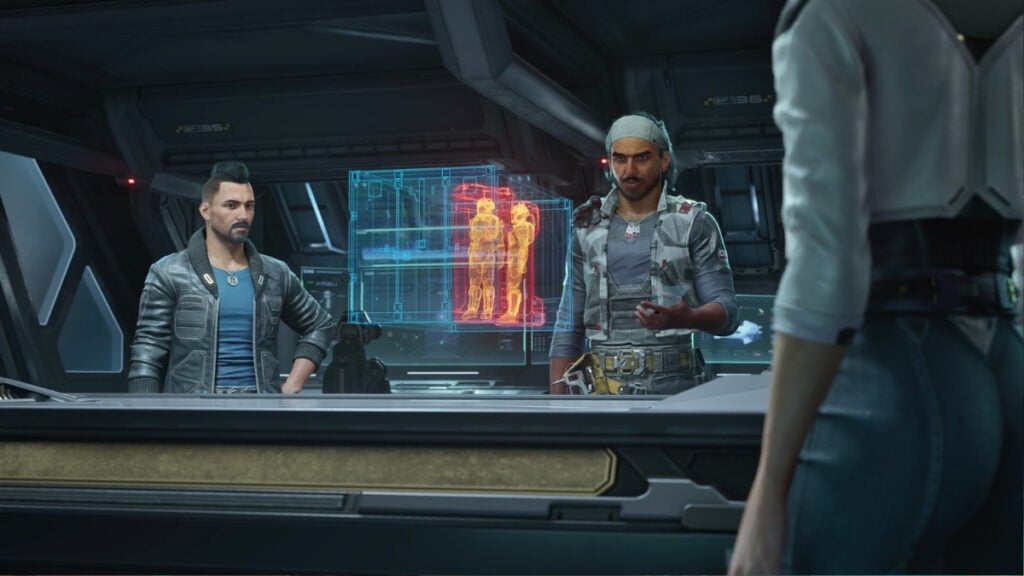
The gameplay session let me take control of one of two identical twins who make up the story’s protagonists (with you being able to choose whether they are male or female), after they’ve already journeyed through several hours of the campaign, placing them on a space station with free rein to explore and complete a few missions.
Each twin has a different personality that shapes the dialogue and the circumstances around them, creating well-written conversation sequences between the two and other NPCs. Your sibling, J, is a bit more of a hothead, while you’re considered to be the level-headed and grounded one.
Similar to Mass Effect, Osiris Reborn utilizes a choice-based dialogue system, though what’s really interesting is how grounded in reality it is; there’s no little butterfly in the corner that tells you if someone is or isn’t going to remember something you told or did to them. The varied responses add narrative depth to each sequence, too, and these moments felt like real conversations rather than stiff, unnatural animations.
This also played into the gameplay, since you’re able to choose how you’d like to get past obstacles. For example, there was a crate I needed to get to, but I failed a persuasion check against an employee to get into the area where it was because I didn’t have all the right paperwork. Fortunately, I grabbed the information I needed from a nearby computer, snagged a forgery of that paperwork through a companion aboard my ship, and got to where I needed to go. At that point, it didn’t just feel like having proper conversations with NPCs and party members, but that I was part of a proper crew that could rely on one another.
Companions Don’t Stop Existing When You Leave Them Behind
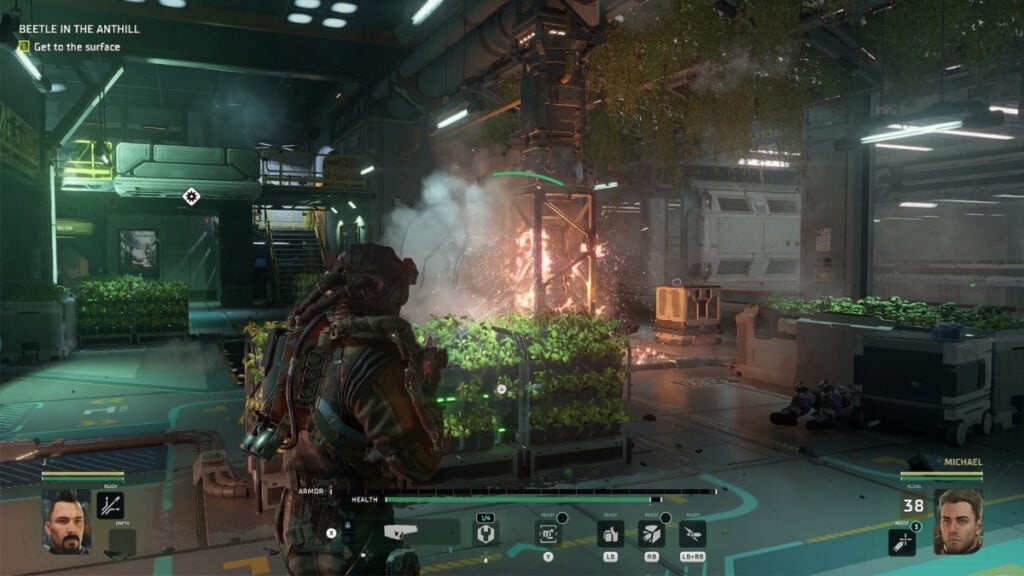
Speaking of… another comparison I could make to Mass Effect is the recruitable party members you can take on your journey. At the point I had jumped in, there were already a few party members that had been recruited, each offering their own means to help out. I ended up spending my time gunning down Protogen goons and protomolecule-contaminated folks, which gave me the perfect opportunity to check out some of their abilities.
As you fight, symbols will appear that let you know when a companion can use their abilities. One can locate the electrical wiring in the room and use it to take out enemies in a flash, while another can target enemies and detonate explosives on them. Even the playable character does the same, depending on which class you’ve chosen. As an engineer, I could deploy turrets and drones to take down enemies far more powerful than me and get out of some scary binds.
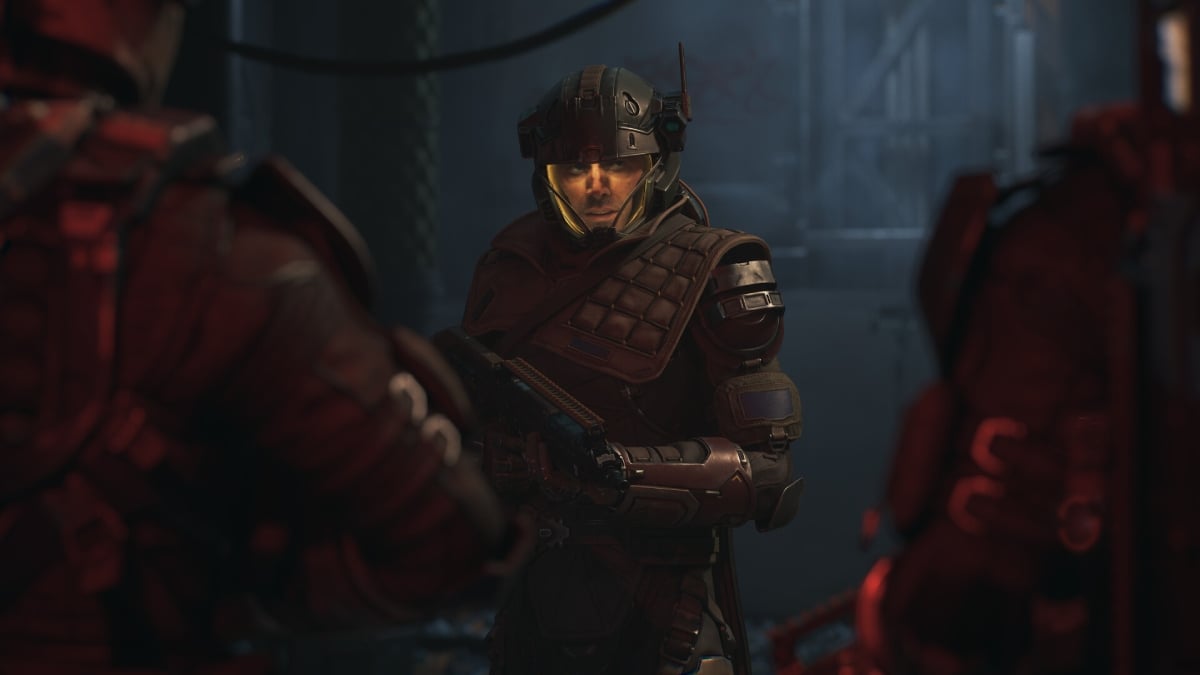
Something I found to be super interesting about these party members is that, instead of just having a difference in abilities or stats that makes them unique, their specializations made them each important, even if you don’t end up taking them along every mission. They’ll still interject from the ship if you need help, or even pop in to converse and give you the chance to get to know who they are a bit more.
I didn’t get to experience this for myself, but the devs told me that your companions can also request things or ask you to check out something even if they weren’t taken along with you. It really made the companion system feel well-rounded and genuine, and it’s one of the aspects I’m looking forward to the most in the full release.
There’s Room for Newcomers
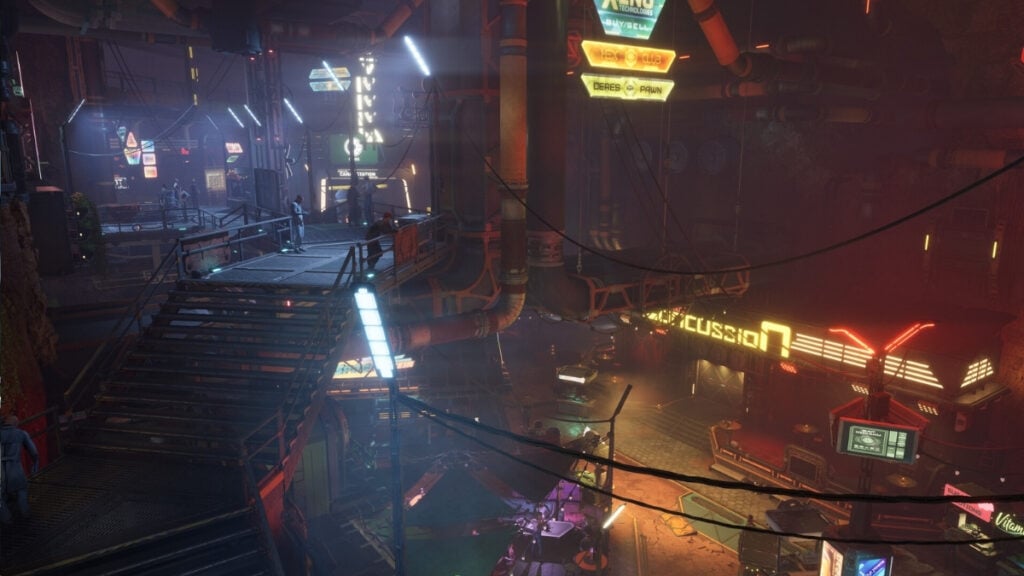
I’d gone into the gameplay session completely blind, with no prior knowledge of The Expanse’s dense and, well, expansive universe. The devs explained that fans of both the novels and television series will be pleasantly surprised with all the references and secrets you can discover. However, if you’re like me and are just jumping in for the first time, then everything you find feels more like worldbuilding rather than a glimpse into a realm you feel like you don’t belong in.
So, when the demo ended just as my squad and I were going to stop a mutant from laying it down hard on this space station, I couldn’t help but feel sad. I wanted to get to know my party members, see what downtime between characters looked like, explore other areas, and so much more.
If I was feeling that after a short gameplay session, then I can only imagine what the massive community of fans who are itching for a chance to enjoy a game filled with political intrigue, intense decision-making, galactic romance and friendships, and diverse combat will feel once they get their hands on The Expanse: Osiris Reborn.
So, if you’ll excuse me, I’m going to get through Mass Effect Legendary Edition for the umpteenth time while I patiently wait for Osiris Reborn.