Box Elder County commissioners have approved the 40,000-acre Stratos Project data center in Utah’s Hansel Valley. Venture capitalist Kevin O’Leary and developer West GenCo plan to build the massive campus. The facility will allegedly produce thermal energy equivalent to “23 atom bombs worth of heat every day.”
The project is expected to require roughly 9 gigawatts of power — an amount reportedly equivalent to more than double Utah’s peak electricity demand recorded in 2025. Environmental groups, including Utah Clean Energy, have warned that the facility could significantly increase statewide carbon emissions, with some estimates projecting a rise of up to 55 percent. The proposed campus also overlaps with Department of Defense land currently managed by the Military Installation Development Authority, adding another layer of complexity to the development.
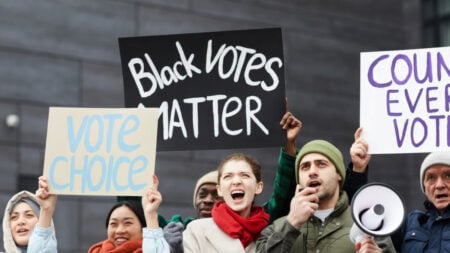
Governor Spencer Cox supported the accelerated permitting process and stated he is “tired of our country taking years to get stuff done.” Commissioner Boyd Bingham dismissed public protesters during the approval meeting, telling them to “for hell’s sake, grow up,” according to reports. O’Leary alleged that opponents of the data center are “funded by China.”
Utah State University physics professor Robert Davies reported that the heat dispersal could raise local nighttime temperatures by 12 degrees Fahrenheit and prevent necessary dew point condensation.
Critics Condemn Utah Data Center Approval
The approval of the massive Stratos Project quickly sparked strong reactions online, with social media users debating the environmental impact, energy demands, and long-term implications of building one of the largest proposed data center developments in the country.
One online observer said, “Utah mega datacenter could dump 23 atomic bombs worth of energy per day.”
“What I like is how we didn’t have the grid for EV charging, but we do for a single data center that puts out more thermal energy as several nuclear bombs, per day, and consumes more power than the entire state in which it’s gonna reside,” a participant added.
A “hoax” is how one participant described the massive proposal and another commenter replied “you’re probably right” because the lead investor’s business history includes “one of the worst deals in living memory.”
“Anyway, give ca$h now!” the original poster added.
A community member characterized the plan to cool servers in the desert as “peak tech industry logic.” The observer questioned why a facility “requires millions of gallons of water just to keep the servers cool in the middle of a literal desert.”

“it’s wild how local residents are constantly told to take shorter showers and let their lawns die, but big tech is allowed to drain the local water supply so they can train an ai to generate slightly worse search results.”
“Can we vote out politicians that support subsidizing data centers?”
Public opposition to the project remains strong as debate continues over how large-scale AI developments should be balanced against local community concerns and long-term planning. While supporters view the proposal as a major technological investment with potential economic benefits, critics argue that projects of this scale require far greater transparency and oversight before moving forward.