
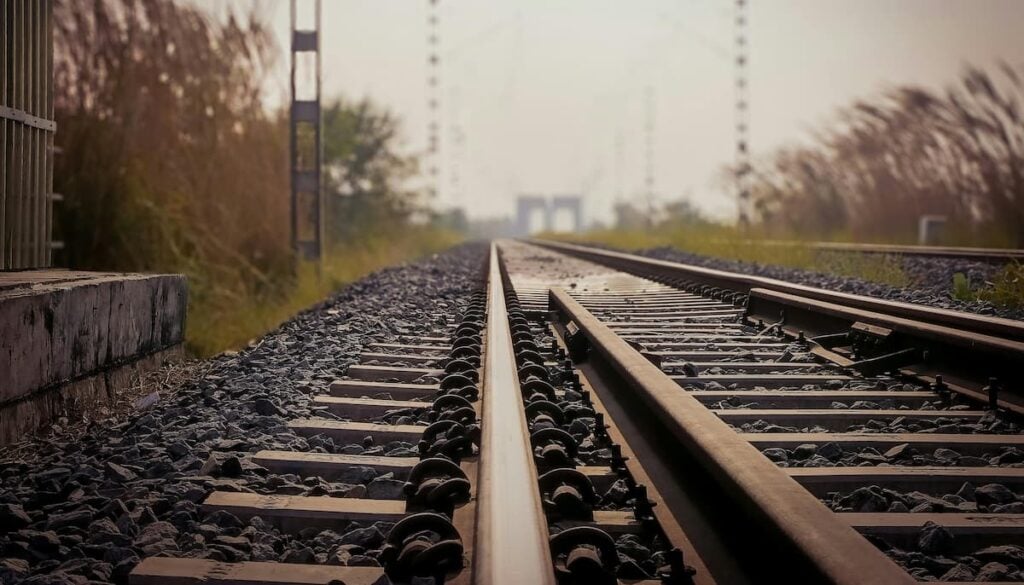
Colorado officials say they’ve finally cracked the code on a long-promised passenger rail line between Denver and Northern Colorado. But on the ground, skepticism is already outpacing optimism.
A newly announced tentative agreement with BNSF Railway would allow trains to run from Denver’s Union Station to Fort Collins, with stops in Westminster, Broomfield, Boulder, Longmont, and beyond. State officials estimate the project will cost $333 million upfront, with roughly $30 million in annual operating costs. That’s significantly lower than earlier projections, thanks in part to a streamlined service plan with just three daily round-trip trains and no passing tracks.
The state also claims it has a viable funding path using existing revenue streams, including FasTracks savings, rental car fees, and energy-related taxes. If all agencies sign off, construction could begin as early as next year.
A Long-Awaited Breakthrough Meets Years of Distrust in Colorado
On paper, it’s the most concrete progress the project has seen since voters first approved rail expansion in 2004. In practice, many Denver-area residents aren’t buying it.
“Its only been 22 years on taxes paid into the void… can’t imagine why people wouldn’t believe it,” one user wrote in a widely circulated Reddit thread discussing the announcement.
That frustration is rooted in history. RTD’s FasTracks program delivered miles of rail across the metro area, but key promises, including the Boulder line, have remained incomplete for decades. For some, this latest plan feels less like a breakthrough and more like déjà vu.
“We’ve been paying for this since 2004 with nothing to show for it,” another commenter added.
Others zeroed in on the project’s design compromises. The decision to avoid building sidings, which allow trains to pass each other, drew particular concern. Critics argue it could cap future capacity and prevent the kind of express service seen in more mature transit systems.
“With no sidings… you can’t add express trains to relieve service,” one user warned, pointing to existing congestion issues on RTD’s light rail network.
Even the service model itself raised eyebrows. Riders would need to transfer in Westminster before continuing north, a setup some believe could limit adoption.

Still, not all reactions were negative. A contingent of commenters emphasized that incremental progress is better than none, citing other rail systems that expanded over decades.
“Getting something actually in service with passengers is the most important thing,” one user argued.
For now, the project sits in a familiar place: technically advancing, politically viable, and publicly divisive. Whether this iteration breaks through where others stalled may depend less on engineering or funding and more on rebuilding trust with a region in Colorado that has heard it all before.