
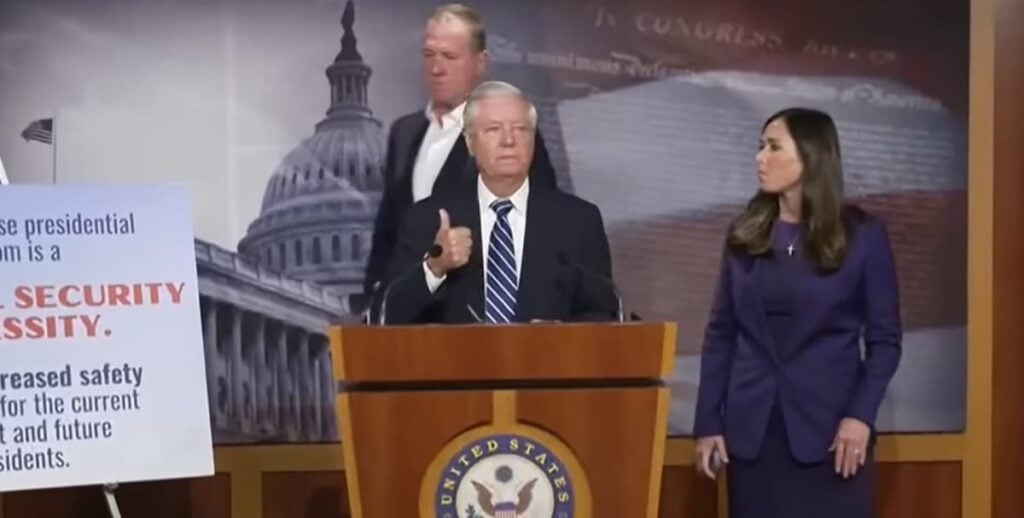
A short video clip circulating online has ignited a wave of backlash in South Carolina, after Senator Lindsey Graham appeared to support a proposal that would allocate roughly $400 million in taxpayer funds toward a new ballroom at the White House. The controversy is fueled by claims that the project had previously been described as privately funded, raising questions among viewers about why public money is now part of the conversation.
The clip gained traction in the r/southcarolina community. There, users framed the proposal not as an isolated spending decision, but as part of a broader pattern they say prioritizes federal projects over local needs. One widely upvoted comment captured the mood bluntly: “What about us South Carolinians? I can’t recall the last time he petitioned to better our lives.”
That sentiment has become a rallying point in the thread, where frustration is less about the ballroom itself and more about what it represents. For many commenters, the idea of a large-scale renovation or expansion tied to the White House feels disconnected from everyday concerns back home, from infrastructure issues to cost-of-living pressures.
Local frustration spills into election talk
As the discussion unfolded, it quickly shifted from criticism to political action. Several users pointed to upcoming primaries as an opportunity for change. “We could vote him out this November,” one commenter wrote, drawing hundreds of upvotes and sparking a chain of replies focused on strategy and turnout.
Others echoed that urgency while acknowledging the complexities of South Carolina’s political landscape. Some users debated potential challengers, while others questioned whether any viable alternative could gain traction. Even among self-identified conservatives in the thread, there was visible dissatisfaction. One commenter described Graham as “too comfortable in his position,” arguing that long tenure in office can lead to a disconnect from constituents.
The thread also reflects skepticism about government spending narratives. Multiple users questioned the claim that private donors had initially covered the ballroom project, comparing it to past political promises that shifted over time. That uncertainty has added another layer to the criticism, with commenters asking whether taxpayers are being asked to step in after the fact.
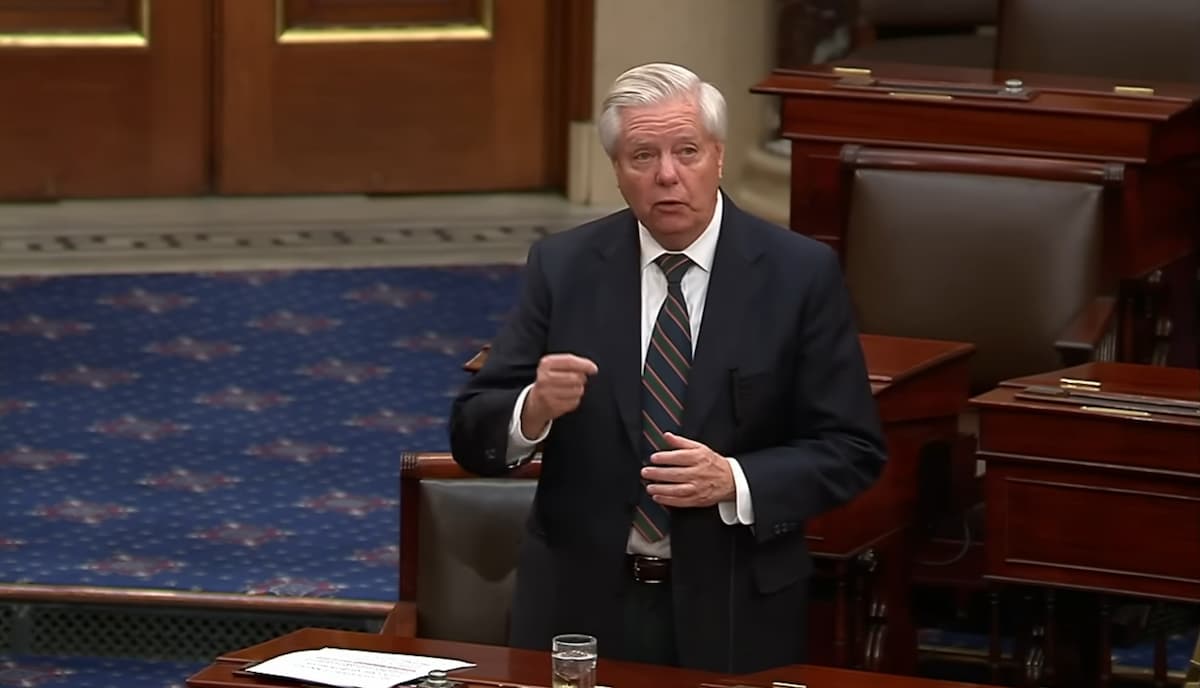
At the same time, the tone of the discussion varies widely. While some posts are measured and policy-focused, others lean into sharper rhetoric or humor, using exaggeration and satire to underline their frustration. References to local issues, such as road conditions and public services, appear frequently, reinforcing the idea that the backlash is rooted in day-to-day concerns rather than abstract politics.
For now, the video continues to circulate, and the conversation shows no signs of slowing. Whether the proposal advances or not, the reaction online highlights a familiar dynamic in modern politics: a single clip, amplified by social media, can quickly turn into a broader referendum on representation and priorities.